A property manager takes over a 1990s office building. Soon the questions start. Maybe the lights in one suite flicker every afternoon. Maybe a new tenant wants to bring in heavy equipment. HVAC and lighting draw from the same service as the computers. One weak link can stall a whole workday.
A commercial electrical inspection shows you where that system stands. A qualified pro looks over the equipment they can safely reach. They open panels and trace wiring out to the devices. Tests may follow if the job calls for them. Knowing the process helps you plan ahead and read the results without guessing.
Why Do Commercial Properties Need Electrical Inspections?
Your building can’t open its doors without steady power. The lights need it. So does the climate control, and so does every piece of equipment on the floor. An inspection shows how well the system is holding up. It also points to the spots that may need work soon.
Identify Electrical Concerns Before They Disrupt Operations
Small electrical problems rarely stay small. A warm breaker can point to trouble that’s still building. So can a circuit that trips under peak load. An inspection catches worn parts and overloaded circuits while they’re easy to plan around. You can book repairs during a slow week instead of scrambling after a shutdown. It also lowers shock and fire risks for your staff.
Review Safety and Code Compliance
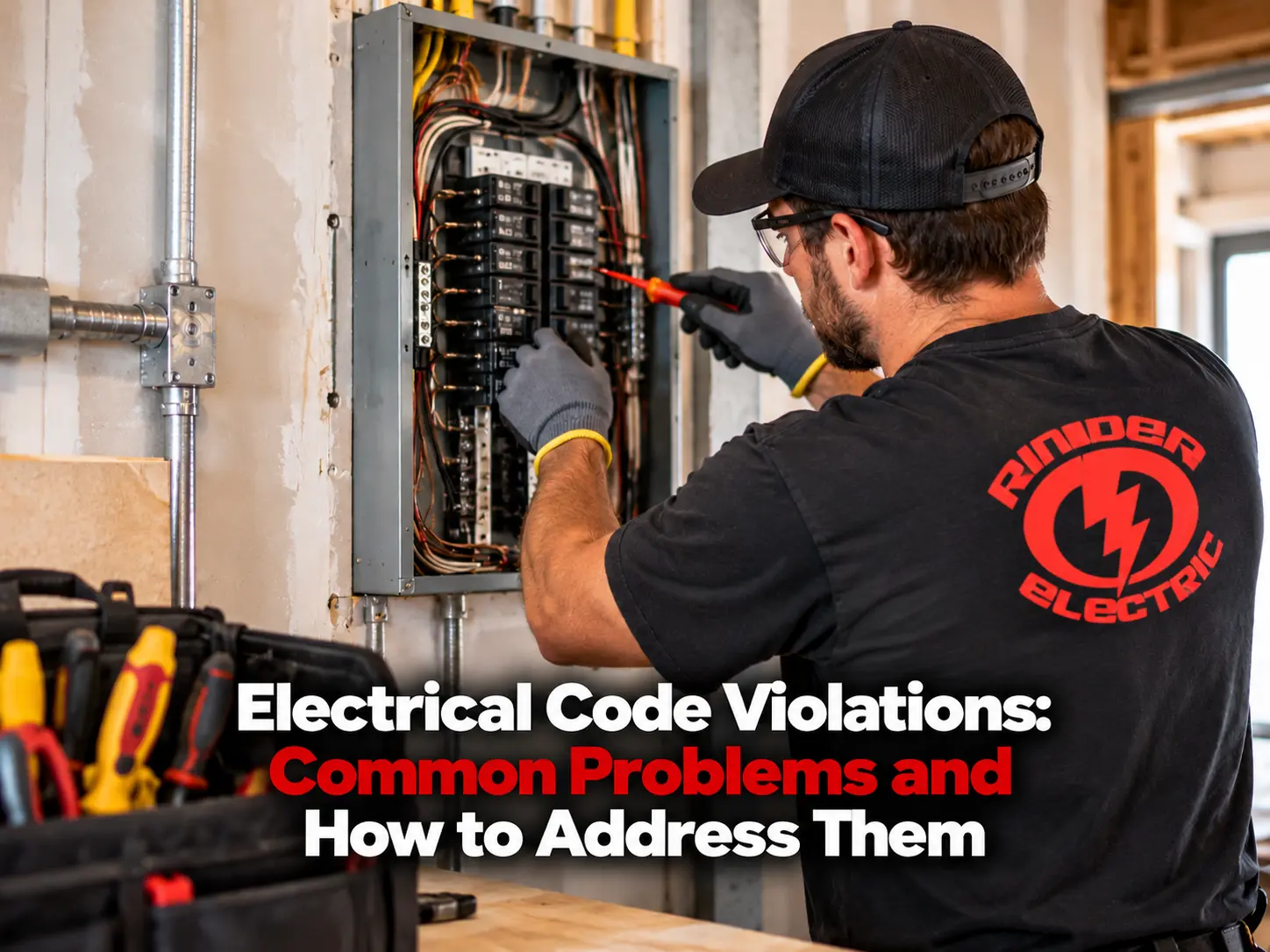
Commercial buildings carry bigger loads than most homes. They hold more people, too. An inspection may flag conditions that don’t seem to match the rules that apply. This rundown of common electrical code violations shows specific examples. A contractor can assess your system and flag concerns. Only an authorized local inspector can approve permitted work or enforce the code.
What Happens During a Commercial Electrical Inspection?
Most inspections start with questions, not tools. The inspector wants to learn how your building runs day to day. They also want to know what it asks of its electrical system. That context shapes everything that follows, from the very first panel to the final report.
Initial Walkthrough and System Review
Expect a chat before anyone opens a panel. The inspector will likely ask how you use the space and where you’ve seen trouble. A restaurant cooking line puts far different demands on a system than a dental office does. Plans and maintenance records help reveal recent changes. Every inspector works differently, but this stage usually sets the direction.
Visual Examination of Accessible Components
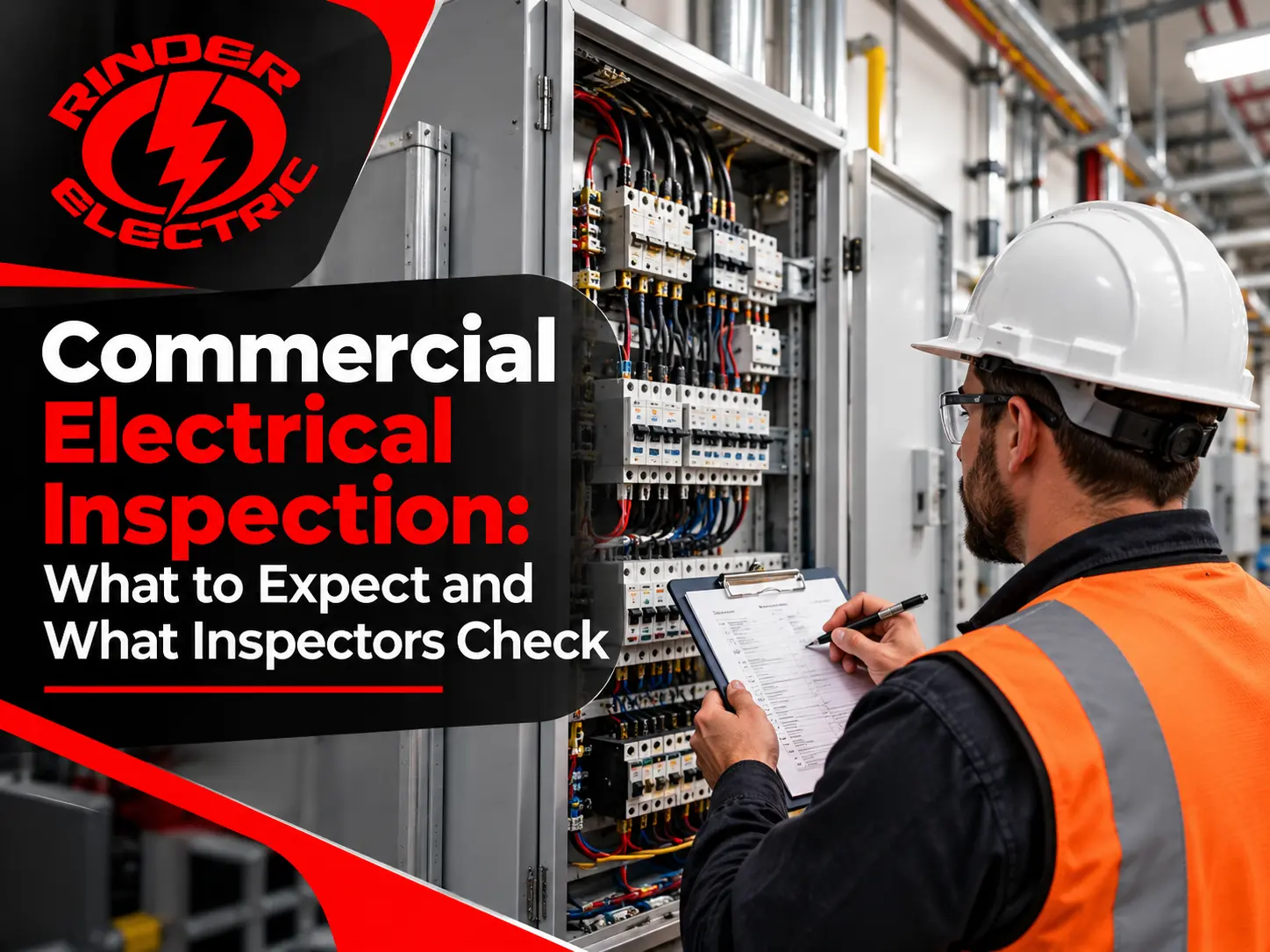
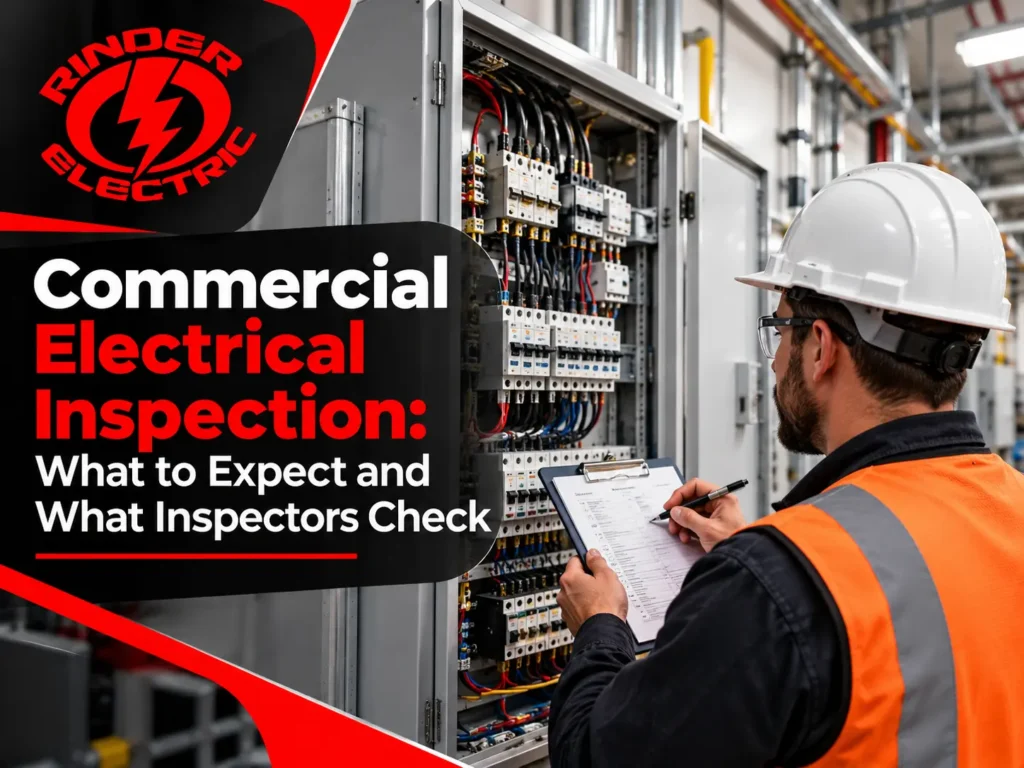
The hands-on work usually starts at the service equipment and main panels. From there, the inspector follows power out through the building. They look for damage and signs of heat. Access sets the limits. Wiring sealed inside finished walls can’t be seen. Neither can gear blocked by inventory. Anything too risky to approach while energized stays off-limits. No visual check can rule out every hidden flaw.
Which Electrical Components Do Inspectors Check?
Inspectors may look at everything from the main service gear to the outlets people use daily. What gets checked depends on two things. The first is what’s installed in your building. The second is what the inspector can safely reach. Here’s how the main parts break down.
Electrical Service Equipment and Panels
Power enters at the service equipment. The panels then split it into circuits. Inspectors check the main disconnect and any panels they can reach. They look for corrosion and physical damage. Heat discoloration is another red flag. Clear labels matter, since someone may need the right breaker fast. They also check that breakers suit their circuits and that the gear fits today’s demand.
Branch Circuits, Wiring Systems, and Connections
Branch circuits carry power from the panels out to the lights and outlets. Inspectors examine the wiring and conduit they can reach. Junction boxes get a look, too. They watch for exposed conductors and missing covers. Loose or overheated connections are another concern. Years of tenant turnover can leave behind changes nobody wrote down.
Grounding and Bonding Connections
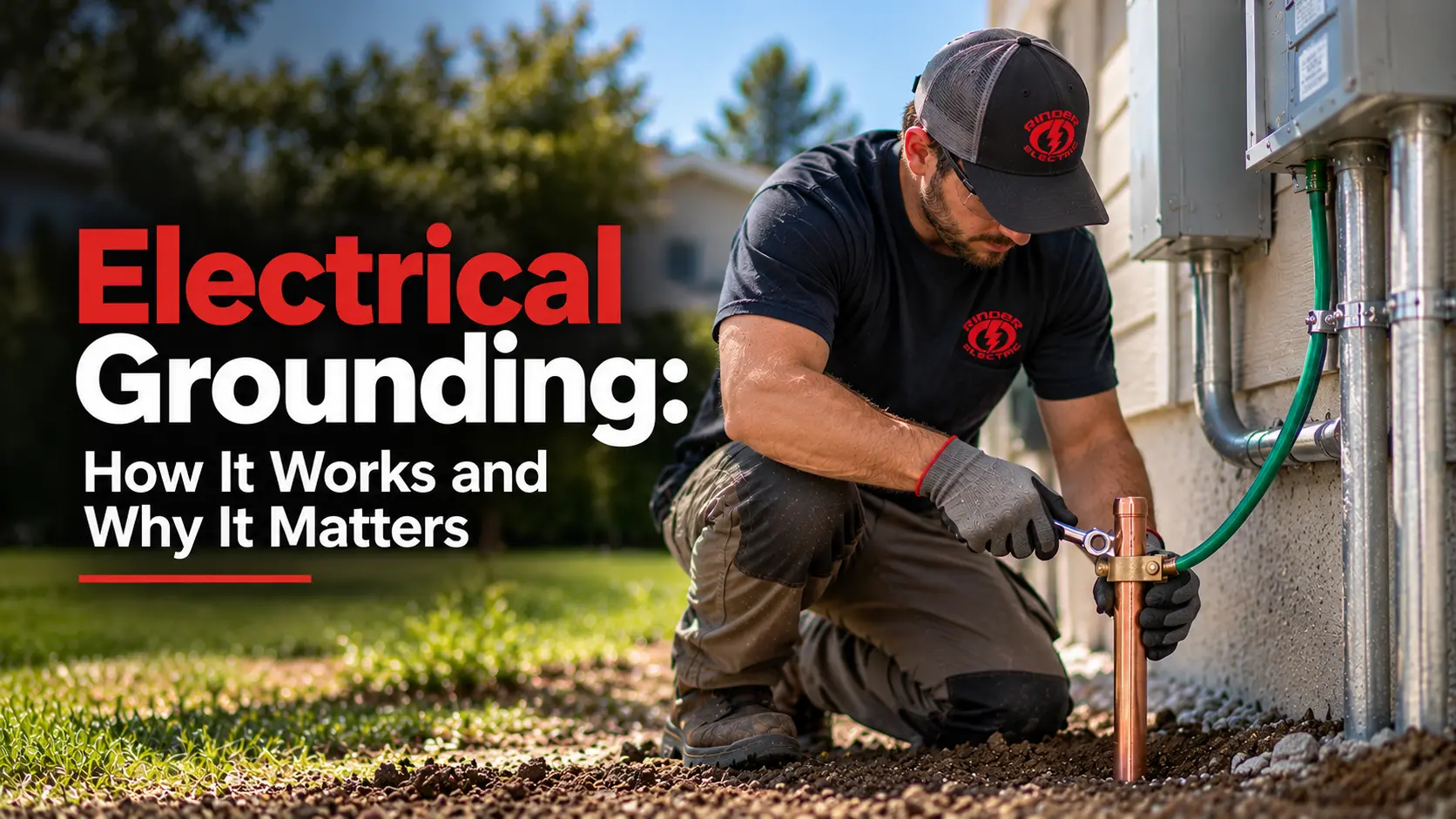
Grounding gives fault current a planned path. Bonding ties metal parts together. Both help breakers trip when they should not. They also keep metal surfaces from becoming energized. Inspectors check grounding connections at the service and key equipment. They look for corroded clamps and broken conductors. These problems can hide for years, so they belong in any safety review.
Outlets, Switches, and Other Electrical Devices
Outlets and switches are the parts people touch every day. Inspectors look for cracked faceplates and scorch marks. Kitchens and restrooms in commercial buildings often need GFCI protection. So do rooftop outlets. AFCI protection may apply in some occupancies, based on the code in effect. The inspector checks that these features seem to be in place where required.
Lighting, Emergency Power, and Connected Equipment
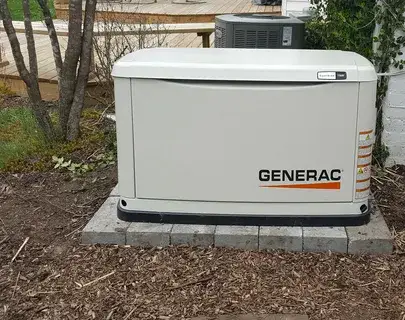
Inspectors check lighting for damaged fixtures and failing parts. Hot-running fixtures get noted. Where exit signs and emergency lights exist, they may confirm the switch to backup power. A standby generator or transfer switch may get a look if the property has one. Major loads round things out. HVAC units draw serious current. So do walk-in coolers and production machinery. Inspectors check the disconnects and wiring that feed it.
What Tests May Be Performed During the Inspection?
Visual checks only go so far. Testing can back them up. How much testing happens depends on the equipment and the purpose of the visit. The agreed scope matters too. Some inspections lean heavily on tests. Others stick mostly to looking, with a few spot checks.
An inspector may test selected circuits with the right instruments. They might confirm that GFCI devices trip or verify grounding continuity. Voltage or current readings can show whether a circuit carries too much load. Some inspectors also use thermal imaging. An infrared camera scans panels for unusual heat, which can signal loose terminations. Not every inspection includes these tests. Ask which ones are planned so you know what the results cover.
What Happens After the Commercial Electrical Inspection?
The findings show what the inspector saw. They also help you decide what needs attention first. Not every item carries the same weight. Some are quick fixes for your normal schedule. Others deserve a closer look soon. Careful reading keeps money and attention where they belong.
Review the Inspection Findings
Most inspections end with a written summary, though formats vary. A report may list each concern by location and the part involved. Photos can make findings easier to picture. Terms like “double-tapped breaker” aren’t everyday language, so speak up. Ask what each finding means and why it matters. Then ask how urgent it is.
Prioritize Repairs and Further Evaluation
Some findings are simple upkeep, like a missing label. Others need prompt action, such as signs of panel overheating. Certain conditions need a qualified electrician to find the cause first. Sort items by risk and budget, then plan your next steps. A contractor’s advice isn’t automatically a legal requirement. And a list of findings doesn’t mean your building failed an official inspection.
How Can You Prepare for a Commercial Electrical Inspection?
A little prep saves time on inspection day. It also helps the inspector reach the gear and details that matter. You don’t need to do anything technical. Most of it comes down to clearing space and pulling together paperwork. A few questions up front help too.
- Clear the area around electrical panels and equipment.
- Gather electrical plans and maintenance records.
- Pull any previous inspection reports.
- Note known electrical problems or recent changes to the system.
- Share details about major equipment and how your business runs.
- Arrange access to locked rooms and restricted areas.
- Ask about the scope and whether any testing could disrupt operations.
Frequently Asked Questions
How Long Does a Commercial Electrical Inspection Take?
There’s no single answer. Building size and system complexity both affect the timeline. Access matters too. So does the scope, along with any planned testing. A small shop with one panel takes far less time than a multi-story building. Ask for an estimate once the scope is set.
Is a Commercial Electrical Inspection the Same as an Electrical Code Inspection?
Not necessarily. The difference comes down to who does it and why. An electrician’s visit is about the condition of your system. A code inspection is tied to permits and enforcement, and only an authorized local official can sign off. If you’re not sure which one you need, ask before booking.
Does a Commercial Electrical Inspection Require the Power to Be Shut Off?
Not always. Many visual checks happen while equipment stays energized. Some tests may require shutting down specific equipment for safety. That call depends on the scope and the safety rules that apply. Ask ahead of time whether a shutdown is likely. Never open panels or test energized equipment yourself.
Final Thoughts
A commercial electrical inspection shows the real condition of your panels, circuits, and wiring. It covers grounding, lighting, and major equipment too. Rinder Electric is a licensed, bonded, and insured electrical contractor serving Indianapolis and Central Indiana. Its commercial work includes repairs, wiring, and panel upgrades along with lighting and generator installation. The team assesses an existing system and helps manage permits and inspections when a project requires them. If your building’s electrical system has you wondering, reach out to Rinder Electric to talk through your needs. A short conversation can point you toward the right next step.