A hair dryer is plugged into the bathroom sink, and the outlet turns off. Though that may be annoying, it can be a GFCI outlet operating as it was intended to. It monitors electricity flowing through the circuit and shuts off the power in seconds when something is leaking to reduce the risk of electrical shock. Until they’re needed, most folks don’t consider the test and reset buttons. This guide explains the basics of GFCI outlets and their typical applications. You will also be able to safely test and reset a GFCI outlet and identify common problems.
How Do GFCI Outlets Detect an Electrical Problem?
Electricity is supposed to stay inside the wiring. Shock happens when some of it finds another route, like through a person standing on a wet floor. A GFCI receptacle is built to notice that detour and react quickly.
What Does GFCI Stand For?
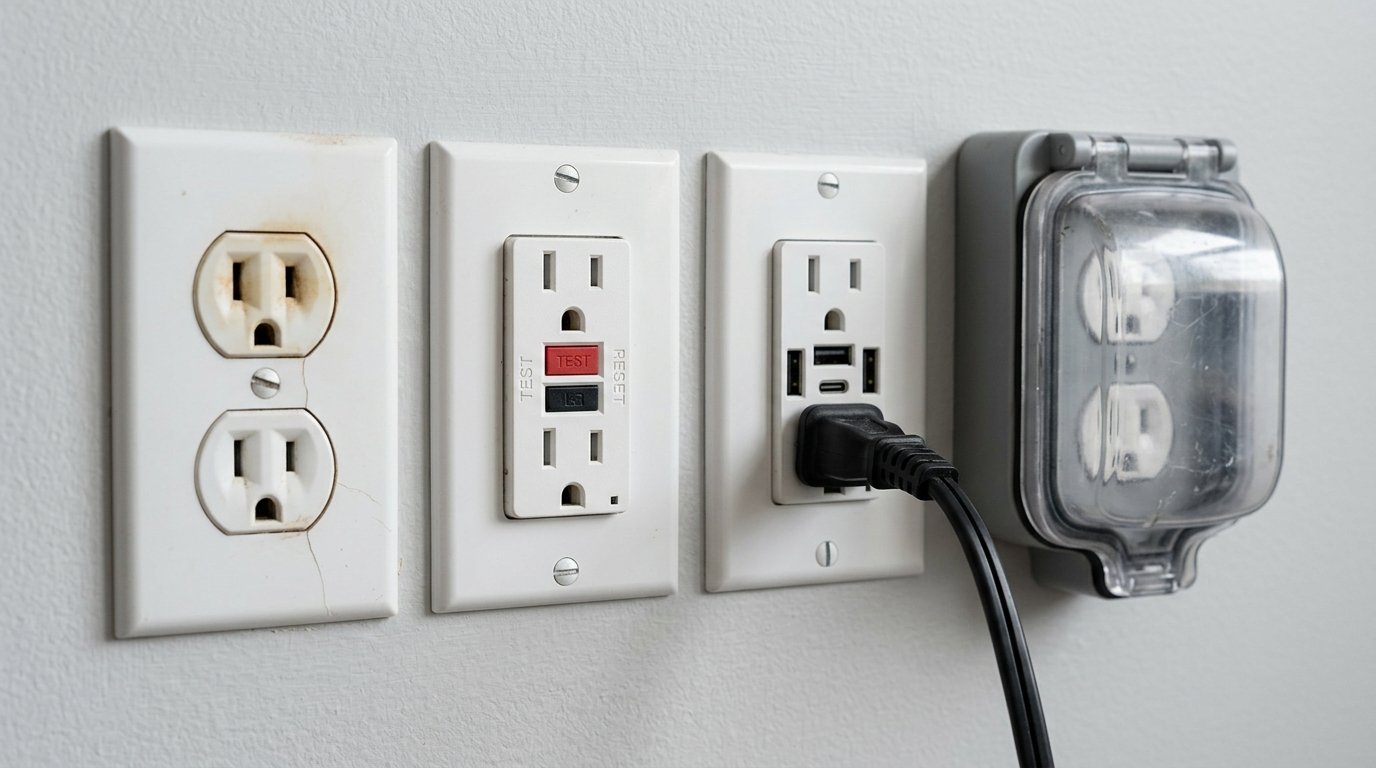
GFCI stands for ground-fault circuit interrupter, and a ground fault means current is leaking off its normal path toward the ground. The device interrupts the circuit when that happens. An ordinary receptacle just hands out power and can’t sense a leak at all.
How Does a GFCI Respond to a Ground Fault?
The device has a sensor built in that compares the current going out with the current coming back; the currents should be equal. Power is lost in a split second by the GFCI, and all unaccounted-for current flows elsewhere. It’s the whole purpose of GFCI protection. It reduces the shock hazard but cannot eliminate all hazards or substitute for other safety equipment in your home.
Where Are GFCI Outlets Needed in a Home?
Water and electricity don’t mix, so GFCI protection shows up where homes get wet or damp. The exact list depends on the code edition your area follows and on how each receptacle is used. Don’t assume every outlet in a room is covered.
Bathrooms and Kitchen Countertops
Bathroom receptacles sit near sinks and tubs, so wet hands and damp floors are normal. GFCI protection is commonly required there. Receptacles serving kitchen countertops get the same treatment because appliances and sinks share that space. Some newer code editions go further and cover more of the kitchen.
Garages, Basements, and Laundry Areas
Garages and basements have concrete floors and damp corners, while laundry areas add washers and utility sinks. Recent National Electrical Code editions address receptacles in all three kinds of spaces. The details still depend on how each receptacle is used and which code your area has adopted.
Outdoor Outlets and Other Damp Locations
Rain and wet grass reach outdoor receptacles all year, and recent code editions call for GFCI protection on those at homes. Some indoor damp or wet spaces fall under similar rules. Not sure about one of yours? A licensed electrician can check it against the code your area follows.
How to Test a GFCI Outlet and Restore Power Safely
A GFCI that quietly failed protects nobody, so test it on a schedule. Many manufacturers and safety groups suggest a monthly check and another after a storm or power surge. Follow your device’s instructions first.
Testing and Resetting a GFCI Outlet
The test button creates a small, safe imbalance. The reset button restores power. A typical routine looks like this:
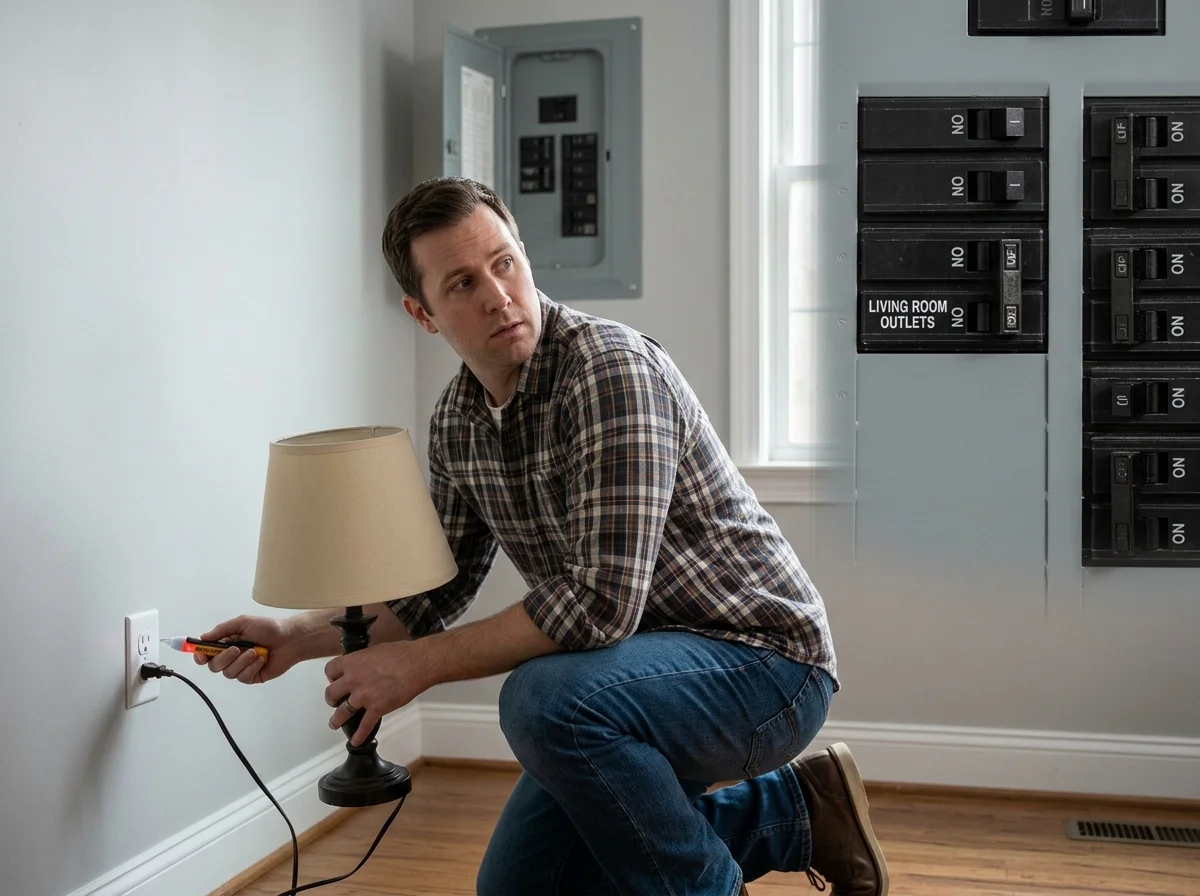
- Plug in a lamp and switch it on (if the lamp lights up, power is flowing).
- Press the TEST button. The light should go out, and the RESET button should release.
- Press the RESET button firmly. The lamp should turn back on.
If the lamp stays lit during the test, stop relying on that outlet and call an electrician.
What If the GFCI Does Not Reset?
There are several reasons for a GFCI outlet reset to fail. It may be caused by an uncorrected fault, outage, or malfunctioning GFCI. With just the button, there is no way to tell which, so be sure not to touch any wiring or open the receptacle. Do not override protection or reset. Do not use the outlet until it has been checked by an electrician.
Common GFCI Outlet Problems and What They May Mean
A tripped or dead GFCI can have several causes. One symptom rarely proves one fault, so read these as possibilities and not diagnoses. Pinning down the real cause usually takes an electrician with proper testing tools.
The GFCI Keeps Tripping
Repeated tripping means the GFCI keeps sensing a leak. Moisture inside the outlet box is a common suspect, especially outdoors or in a steamy bathroom. A bad appliance, frayed cord, wiring defect, or aging GFCI can also cause repeated trips. Treat the trips as a warning and not an annoyance to work around. Don’t keep pressing reset until it finally holds.
The Reset Button Will Not Restore Power
If the reset button won’t hold, an electrical fault may still be present. It could also mean no power is reaching the device or that the GFCI has simply worn out. Nothing on the outside separates those cases. That is where GFCI outlet troubleshooting calls for someone with the right tools and training.
Other Outlets Have Lost Power Too
Some outlets rely on a GFCI located upstream. When that device trips, power to the connected outlets may shut off too. Glance at nearby outlets to see whether they lost power too, but remember that this is one possible explanation and not a guarantee. Don’t blame the GFCI for every dead outlet in the house.
Things to Check Safely Before Hiring an Electrician
Look but don’t repair. A few safe observations help you describe the problem to an electrician, but opening the outlet is a job for a professional.
- Look for cracks, scorch marks, or moisture without touching the outlet.
- Press test and reset as the manufacturer directs, and note how they respond.
- Notice whether one appliance seems to set off the trips, then leave it unplugged.
- See whether other protected outlets lost power too.
- Stop using the outlet if the trouble keeps coming back.
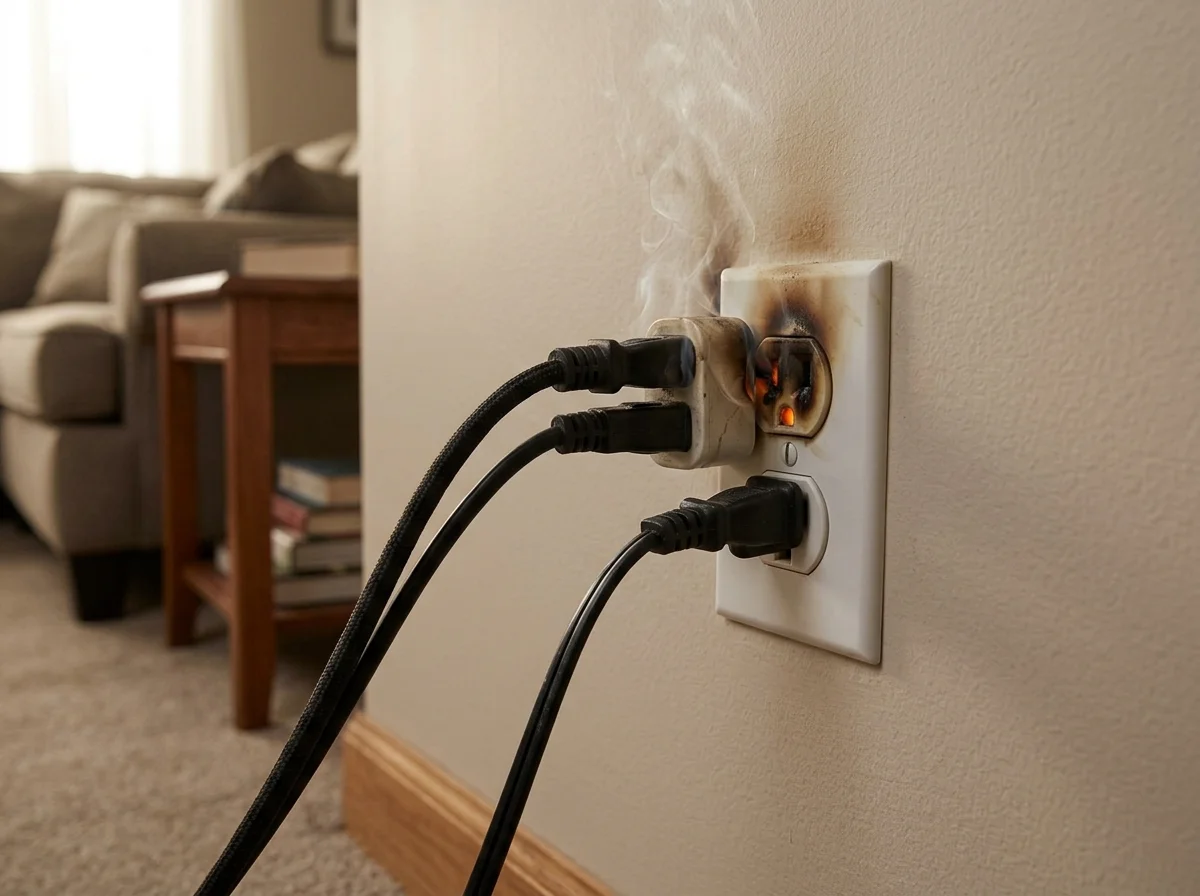
Stay away from any outlet that is wet, hot, or sparking. Do the same if it looks damaged or smells like burning. Call a professional either way. For smoke or fire, get out and call 911.
When Should You Call an Electrician for GFCI Outlet Troubleshooting?
Some GFCI problems live inside the device or somewhere else on the circuit. You can’t see either one from the outside.
Call a professional if the GFCI fails its test or won’t reset after you follow the instructions. Do the same if it trips repeatedly for no clear reason or takes other outlets down with it. Damage, heat, or moisture around the outlet is another red flag. So is any sign of a wiring or GFCI outlet installation mistake.
Bypassing the protection or opening the receptacle puts you at risk, while a trained electrician has the tools to find the real cause.
Keep Your Home’s GFCI Protection Working as Intended
GFCI outlets lower your shock risk only while they work. Test them on schedule and respect the trips. Never bypass one.
Rinder Electric serves homeowners across Indianapolis and Central Indiana, and outlet repair is part of the work its electricians do. If a GFCI keeps tripping or fails its test, contact Rinder Electric or call (317) 701-1713 and let a professional take a look.
Frequently Asked Questions About GFCI Outlets
A few practical questions usually remain after the basics. The answers below cover testing, protection, and repeated trips.
How Often Should You Test GFCI Outlets?
Monthly is the common recommendation, but follow your device’s instructions first. Many safety groups also suggest testing after a storm or power surge. If a GFCI fails the test, stop relying on it and call an electrician.
Can One GFCI Outlet Protect Other Outlets?
Yes, a correctly wired GFCI receptacle can protect additional outlets connected downstream through its load terminals. Whether that applies depends on how the circuit is set up and wired. If one GFCI trips and others lose power, this may be why.
Should You Keep Resetting a GFCI Outlet That Keeps Tripping?
No. Repeated tripping may signal an unresolved fault or a failing device, and forcing power back on ignores the warning. Stop resetting it and leave it off. Call an electrician if the cause isn’t clear or the problem keeps returning.