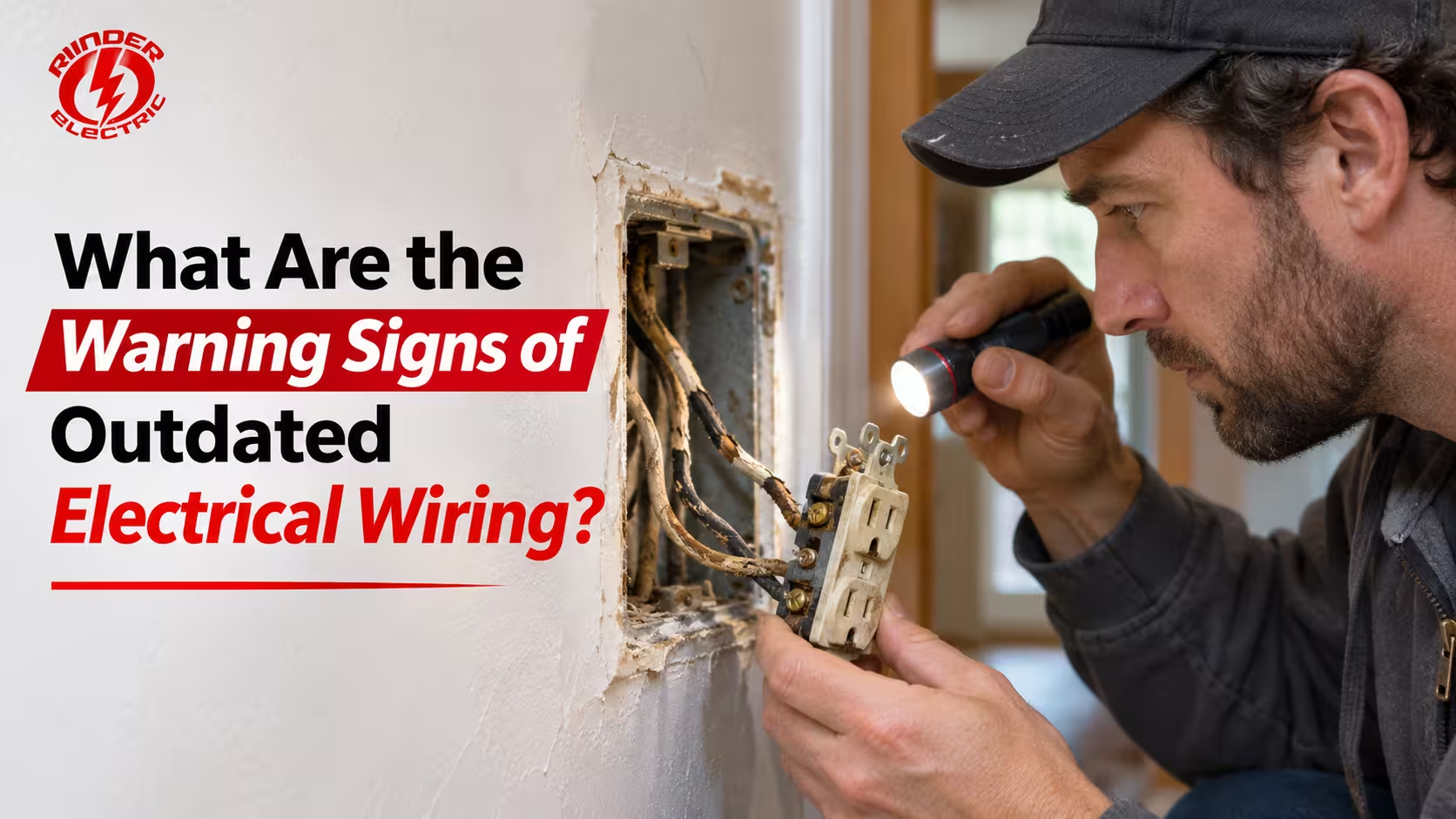
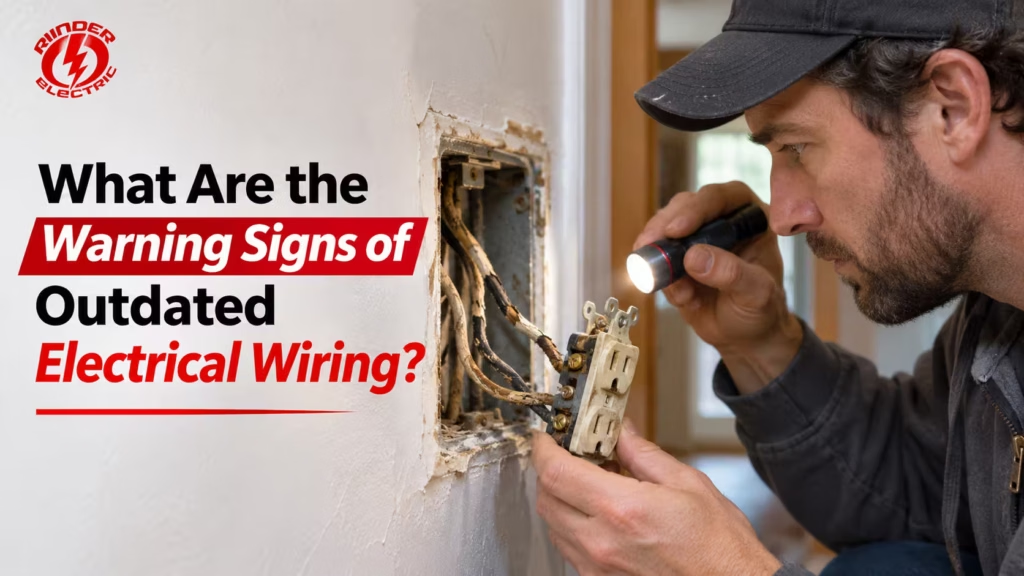
Watch for breakers that keep tripping or fuses that keep blowing, plus lights that flicker or dim for no clear reason. Those are some of the most common outdated electrical wiring signs. Warm or discolored outlets, burning smells, buzzing, surprise sparks, and cracked wire insulation belong on that list too.
None of these symptoms prove your wiring is old, because a bad device or an overloaded circuit can cause the same trouble. Plenty of Indianapolis houses still carry wiring from decades ago, though. Knowing the signs helps you decide when a professional evaluation makes sense.
What Are the Most Common Signs of Outdated Electrical Wiring?
Your house usually drops hints at the switches, outlets, and fixtures long before anything fails. One odd moment rarely means much on its own. Watch for a pattern instead, especially when the same room or circuit keeps acting up.
Frequently Tripping Circuit Breakers or Blown Fuses
A breaker trips or a fuse blows when a circuit pulls more current than it can safely carry or when the device senses a fault. One trip while a space heater and a hair dryer share a circuit is usually a simple overload. Breakers that trip every week point to something bigger, like a loose connection, damaged wiring, or a worn-out breaker.
Circuit capacity matters a lot in older homes. Many of those circuits went in long before kitchens held a microwave and an air fryer on the same counter. Today’s household demand can push them well past their limits. Never swap in a bigger breaker to stop the trips, because the wire behind it can overheat.
Flickering, Dimming, or Inconsistent Lighting
A bulb that flickers once is usually just a bad bulb. Lights that keep flickering or dimming after you replace the bulb tell a different story. Loose connections at a switch or fixture are a common cause, and an overloaded circuit can do the same thing.
Pay attention when the lights dip every time the furnace or the washer kicks on. A brief dip with big motors can be normal, but steady or worsening dips suggest the circuit is struggling. Flickering across several rooms may start at the panel or the service, which makes it a job for an electrician.
Warm Outlets, Discoloration, or Burning Odors
Outlets and switch plates should feel about as cool as the wall around them. A dimmer can run slightly warm, but a standard outlet that feels warm or hot is not normal. That heat usually comes from a loose terminal or a worn-out receptacle.
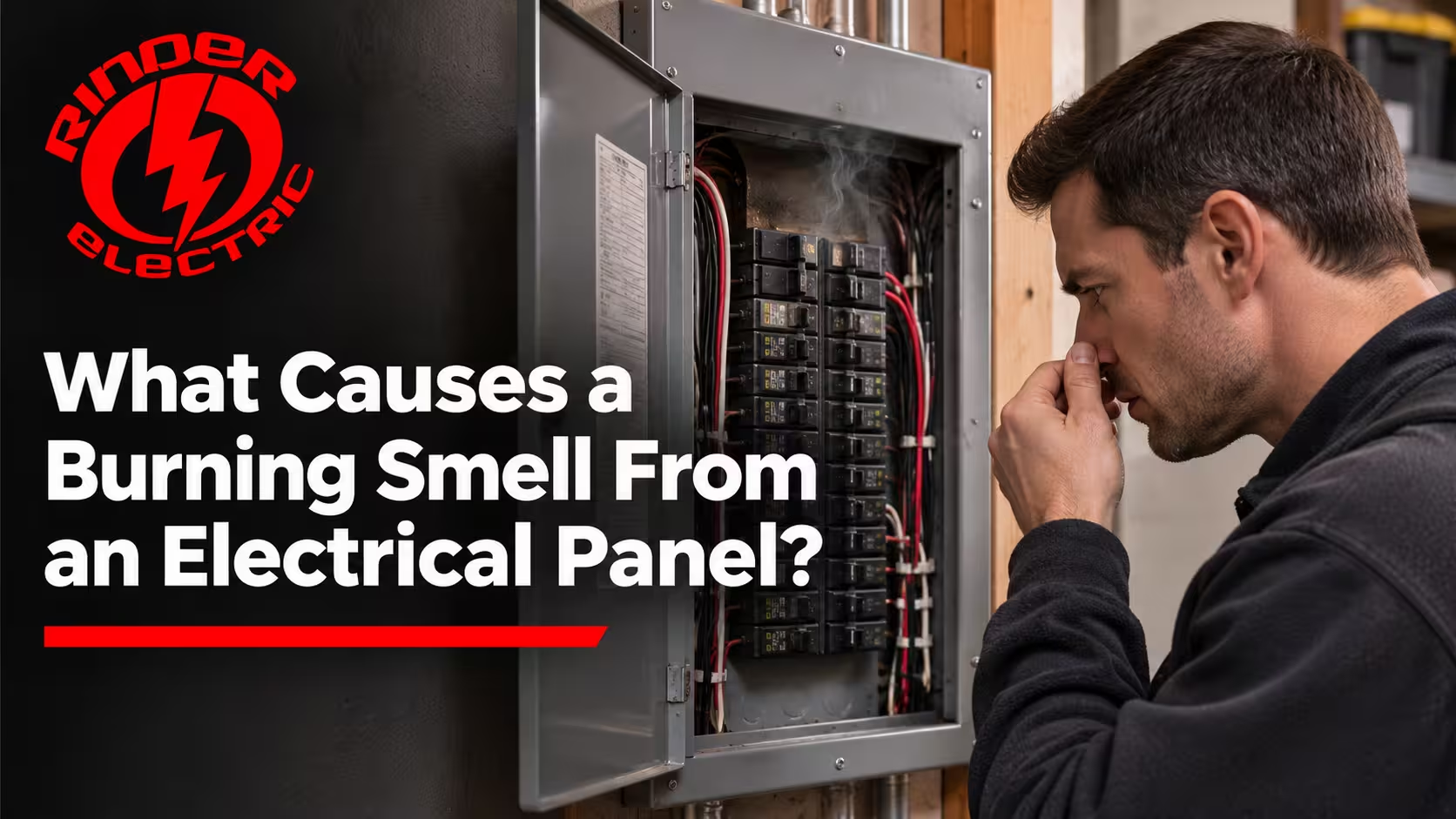
Brown or black marks around the slots mean overheating has already happened. A burning smell is even more serious and never normal, whether it smells like hot plastic or something oddly fishy.
| Electrical Safety WarningIf you notice burning odors, sparks, smoke, or scorching around outlets or switches, stop using the affected area and seek professional electrical assistance promptly. Do not touch exposed wiring or attempt electrical repairs yourself. |
Buzzing Sounds, Sparks, or Visible Wire Damage
Outlets and switches should stay silent. A buzz or crackle usually means electricity is jumping a small gap at a loose connection. A tiny flash when you plug in a cord can happen now and then, but repeated sparks need attention right away.
Some signs of old electrical wiring show up in a basement or attic. Aging wire insulation can crack and crumble away from the conductor, especially near old fixtures that have baked it for years. That kind of electrical wiring deterioration leaves bare metal exposed, which ranks among the most serious wiring safety concerns in a house. Leave exposed wire alone and let a licensed electrician handle it.
Which Older Wiring Types May Require Closer Attention?
Some older Indianapolis homes still contain wiring materials or methods that new construction no longer uses. Finding one isn’t an automatic verdict. What decides it is the wiring’s condition and installation, plus any later changes and the state of its connections.
Knob and tube wiring runs single wires through ceramic knobs and tubes in the framing. It has no equipment grounding conductor, and its original insulation can break down over time. Decades of add-ons and splices often make things worse, so a professional should check what’s really in your walls.
Cloth-insulated wiring shows up in plenty of mid-century homes. That fabric and rubber covering can turn brittle and crack, especially near heat. Once the insulation fails, the wire inside has far less protection against shorts and shocks.
Aluminum wiring shows up as aluminum branch wiring in some homes from the 1960s and 1970s, and its connections need a careful look. Anything that connects directly to the aluminum must carry a rating for it. Plenty of these installations hold up fine with correct terminations.
Copper wiring is the standard in most homes today, but copper alone doesn’t make an installation safe. Damaged insulation, loose connections, and sloppy workmanship can cause trouble with any metal.
Does an Older Home Automatically Need Electrical Rewiring?
No. A home’s age alone does not establish that its electrical wiring needs complete replacement. What matters far more is the wiring’s current condition, not the date the house went up.
Picture two houses built the same year. One got a new panel and kitchen circuits in a 1990s remodel, while the other still runs on original wire with a string of DIY add-ons. Past upgrades and repairs change everything, so the honest answer to when a house needs rewiring comes down to the system’s shape today.
Some outdated house wiring stays serviceable for years when nobody has overloaded or abused it. Other installations need corrective work right away. Don’t assume your system is safe just because the lights still come on. Plenty of old home electrical problems stay hidden until a connection overheats inside a wall.
When Are Electrical Repairs Enough, and When Is Rewiring Necessary?
The right fix depends on where the problem sits, how severe it is, and how far it reaches. One bad spot calls for a different answer than trouble scattered through the house.
Targeted repairs usually make sense when the problem stays in one place, such as:
- A single damaged wire or loose connection
- One defective outlet or switch
- An isolated problem on one circuit
- A specific component that needs correcting
More extensive rewiring may be justified when the problems spread across the home, such as:
- Insulation that has deteriorated in several areas
- Widespread defects or unsafe past modifications
- Older systems with serious safety or grounding limitations
- Circuits that can’t support the home’s electrical needs
- Repeated problems showing up in different parts of the house
Ungrounded electrical circuits deserve a closer look because they give fault current no dedicated path back to the panel. An electrician can help you understand grounding limitations and the options for fixing them. After assessing the whole system, they can determine when rewiring may be necessary and when a repair will do. Don’t try to set the scope of the work yourself.
What Happens During an Electrical Wiring Inspection?
Symptoms only show you part of the story. A professional electrical wiring inspection gives you a clearer picture because an electrician knows where to look and how the clues fit together.
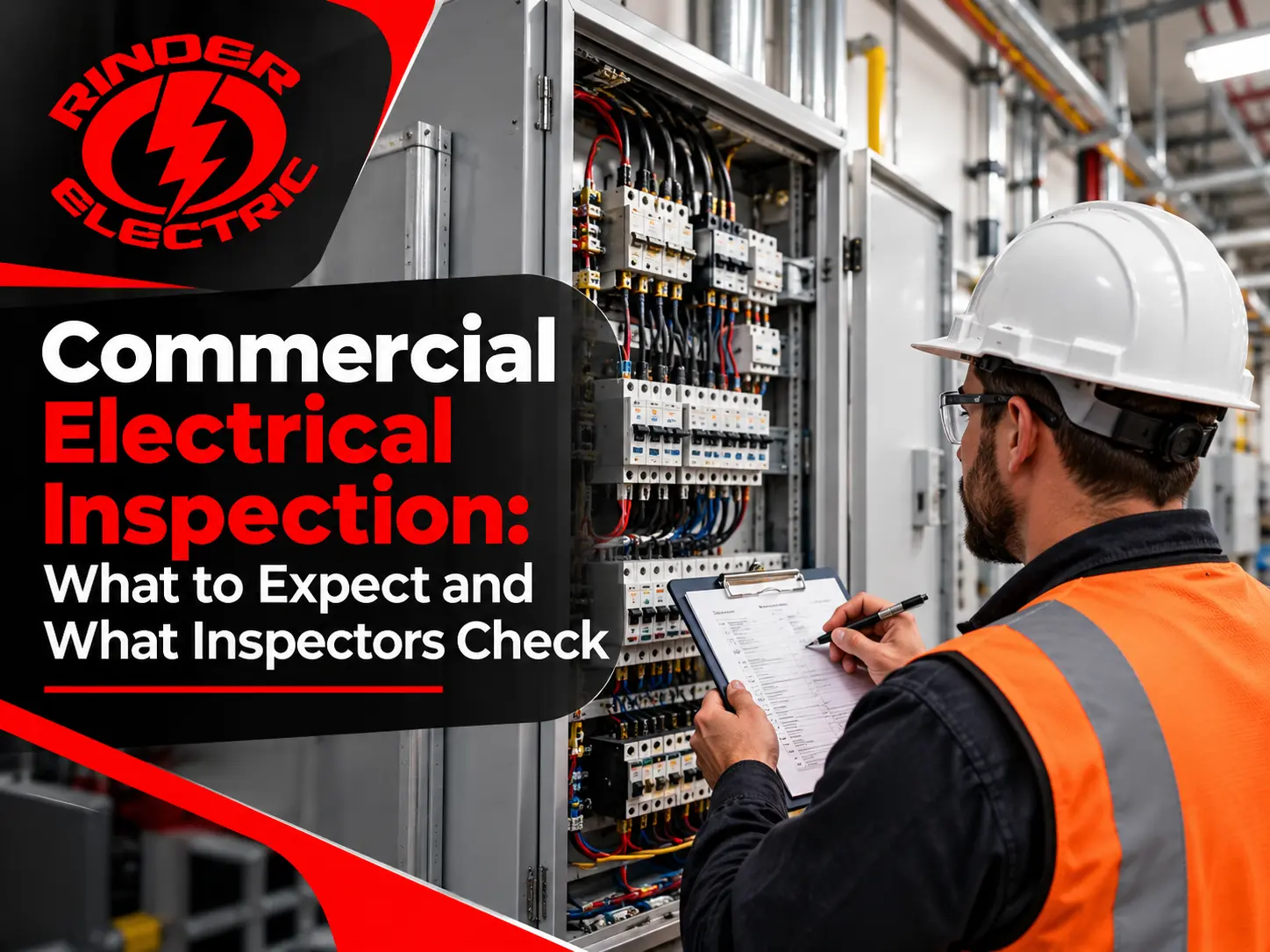
Most electricians start with the accessible wiring and the condition of its insulation. They’ll check connections and every electrical junction box they can reach, along with the grounding system and circuit capacity. They’ll watch for overheating, deterioration, and improper past modifications. The goal is to inspect the age of an electrical system and identify recurring wiring-related problems that hint at a larger issue. They may flag concerns under applicable electrical requirements, including relevant NEC provisions.
The result might be a short list of localized repairs, a few specific upgrades, or a recommendation for broader rewiring. The exact evaluation depends on your home’s layout, accessibility, and electrical system. No inspection can see every inch of wire behind finished walls. If you’ve noticed warning signs, schedule an electrical safety evaluation before things get worse.
Frequently Asked Questions
How Do I Know If My House Has Old Electrical Wiring?
Start with the build year and any records of renovations or electrical upgrades. Visible clues in a basement or attic help too, such as cloth-covered wire or ceramic knobs. Recurring electrical problems add to the picture, and an electrician’s evaluation confirms what you have.
Is Aluminum Wiring a Reason to Rewire a House?
Not automatically. The installation type, the connections, and the overall condition determine the right response. Depending on the findings, an electrician may suggest fixing specific connections or doing broader work.
How Often Should Older Home Electrical Wiring Be Inspected?
No single schedule fits every house. The right timing depends on your home’s condition, electrical history, and past renovations. Recurring warning signs are the clearest reason to schedule an inspection now.
Final Thoughts
Recurring trouble like repeated trips, warm outlets, or odd smells deserves a professional look. A house’s age alone doesn’t decide whether the wiring needs replacing, because condition is what counts.
Rinder Electric is a licensed, bonded, and insured electrical contractor serving homeowners in Indianapolis and Central Indiana. Their electricians handle wiring repairs and full rewiring with upfront pricing, and emergency service is available 24/7. If something in your house doesn’t seem right, reach out to Rinder Electric to set up an evaluation and find out what your wiring really needs.