Your lights turn on and the outlets work. Nothing smells funny. That still doesn’t prove the wiring behind your walls is right. Electrical code violations hide in plenty of homes that seem perfectly normal. Think sloppy connections or missing GFCI and AFCI protection where the code calls for it. Grounding problems and open junction boxes show up a lot too. What counts as a violation depends on where you live and what kind of work was done. This guide covers the common problems, why they matter, what an inspection can reveal, and how to get things corrected the right way.
Most Common Electrical Code Violations in Homes?
Most home electrical violations fall into a few buckets. Something got installed wrong. Required protection never got added. Or a connection was made in a way the code doesn’t allow.
Improper Wiring and Unsafe Connections
Bad splices are at the top of the list. Twisted wires with no box and just wrapped in tape. Unsecured cables or NM cable (Romex) exposed to potential physical damage in unfinished basements. These can trigger shock, heat buildup, or fire. They are generally fixed by replacing the damaged wiring and reconnecting the wiring in the appropriate boxes using proper connectors.
Missing Required GFCI or AFCI Protection
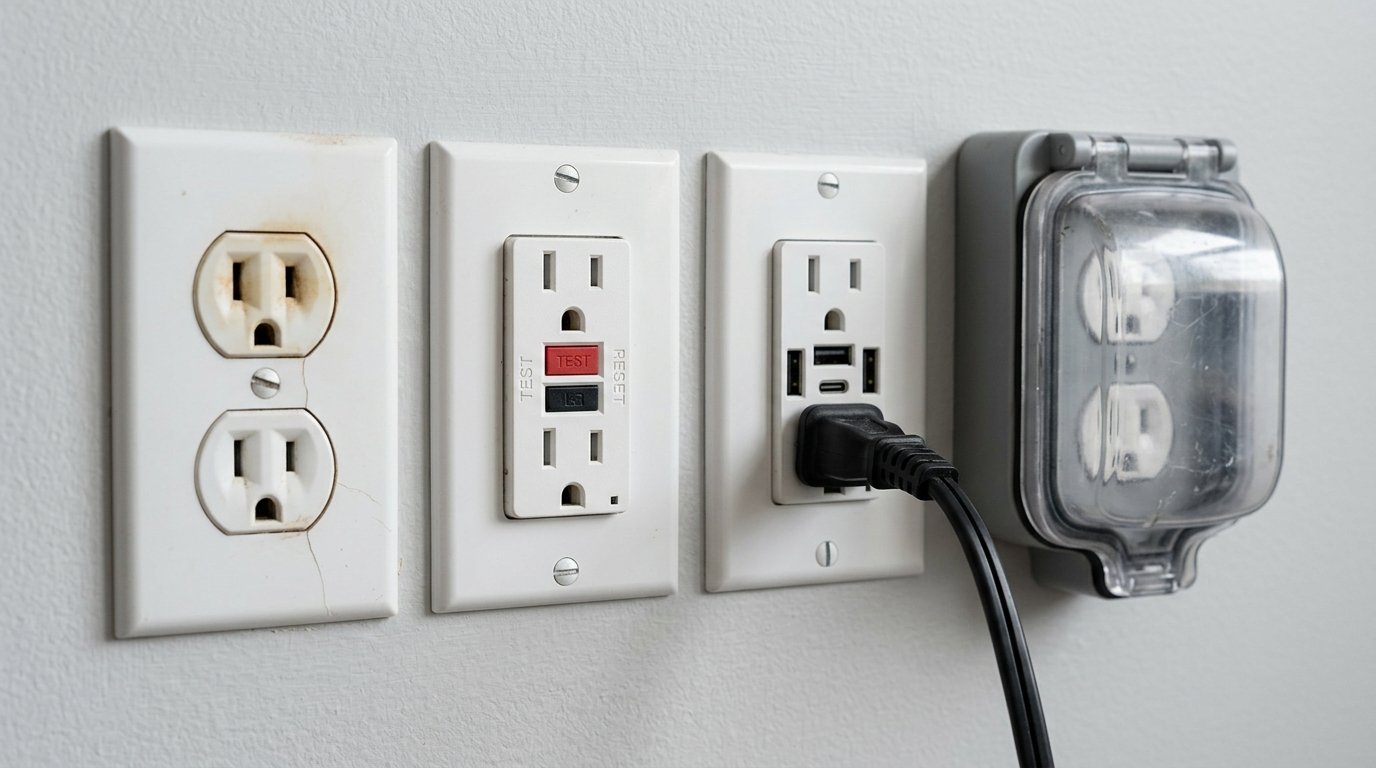
Two different devices; two different jobs. A GFCI monitors for leakage of current to ground—the type of fault that can shock people when near water. An AFCI is installed to detect potentially dangerous arcing that may cause fire within the wall. These are required to be in certain places in the code, and certain places in the code vary by location. GFCI areas are usually in the kitchen, baths, and outdoors. Not all circuits will require both.
Grounding, Junction Boxes, and Panel Deficiencies
Grounding and bonding issues are difficult to detect and are easy to do incorrectly. For example, a three-pronged outlet with no ground path behind it is a common case unless it was dealt with in a manner that the code allows. Failure to install covers on junction boxes exposes splices. Boxes that are overstuffed have more wires in them than they can handle. An inspector might cite ‘double-tapping,’ where two wires are improperly connected under a single breaker terminal not designed to hold them. So does a breaker that isn’t the same size as the wire it is supposed to protect. These tasks should be performed by a licensed electrician.
Why Do Electrical Code Violations Matter?
Electrical codes are not for the sake of the paperwork. Most of those rules grew out of real fires and real shocks. Safety comes first. Shock, overheating, or fire risk increases with some deficiencies. Any deficiency noted by an inspector on permitted work typically will need to be remedied before the work is approved.
Depending on the situation, an unresolved issue can delay a renovation or it can be discovered during the buyer’s inspection. Not all violations will be emergencies. Damaged wiring or equipment must be fixed immediately. Even if the cover on a basement junction box is missing, it should be addressed, but it may be possible to schedule it.
What Can an Electrical Inspection Reveal About Code Compliance?
A lot of problems never show from across the room. They sit inside boxes and under attic insulation. That’s where a professional evaluation can make a real difference.
The table below lists findings that commonly come up during an electrical inspection.
| Potential finding | Why it matters | Appropriate next step |
| Missing required circuit protection | May leave a shock or fire hazard unaddressed | Arrange a professional assessment |
| Grounding or bonding deficiency | May affect the intended safety path | Have the installation evaluated |
| Exposed or damaged wiring | May create shock or fire risks | Keep away and seek qualified help |
| Missing junction box cover | Leaves connections unprotected | Arrange a professional assessment |
| Panel connection or configuration problem | May affect how circuits are protected | Have a licensed electrician evaluate it |
| Work done without required approval | May need review under local rules | Check permit and inspection obligations |
An electrical inspector who finds a deficiency will typically document it and spell out what has to be corrected. An online checklist can point you toward things worth asking about. It can’t confirm your house has a violation. Only a look at your actual installation against the applicable code can do that.
How Should Homeowners Address Common Electrical Code Violations?
The right fix depends on what’s wrong, how serious it is, and which requirements apply to your home. A missing cover is a quick job. A grounding problem spread across half the house is not.
Identify the Concern Without Attempting Unsafe Repairs
Write down what you see. Photograph of the open box cable from a safe distance. If you have an inspection report, keep it handy and mark the electrical items. Don’t pull the panel cover off. Don’t touch exposed wires to see if they’re live. Your job here is to notice and record.
Arrange a Qualified Electrical Assessment
Call a licensed electrician and share your notes and photos. They’ll look at the installation and figure out what’s really going on. Sometimes a report item turns out to be minor. Other times it points to a bigger issue with the wiring, grounding, circuit protection, or the panel itself. You get a clear plan before anyone starts work.
Complete Corrections and Verify Compliance
Corrections might mean replacing damaged wiring or fixing unsafe connections. They might mean installing required GFCI or AFCI protection. If the work needs a permit, it should be pulled before the job starts and inspected when it’s done. That sign-off is how you know the correction meets the rules for your property.
Do Older Homes Automatically Have Electrical Code Violations?
No. An old electrical system and a noncompliant one are not the same thing. A newer code edition doesn’t automatically make every untouched older installation a violation. Existing installations and additions can each be treated differently. Renovation is where it gets tricky.
Open a wall or add a circuit, and the new work may need to meet requirements that never applied to the old setup. Worn or deteriorating equipment deserves a look no matter when it went in. If your older home’s electrical system worries you, get it assessed. Don’t assume you need a full rewire.
When Should You Contact an Electrician About a Possible Code Violation?
How fast you act should match how serious the problem looks. Some things can wait for a scheduled visit. Others can’t.
Call for a professional assessment if you notice any of these:
- Damaged or exposed wiring you can see
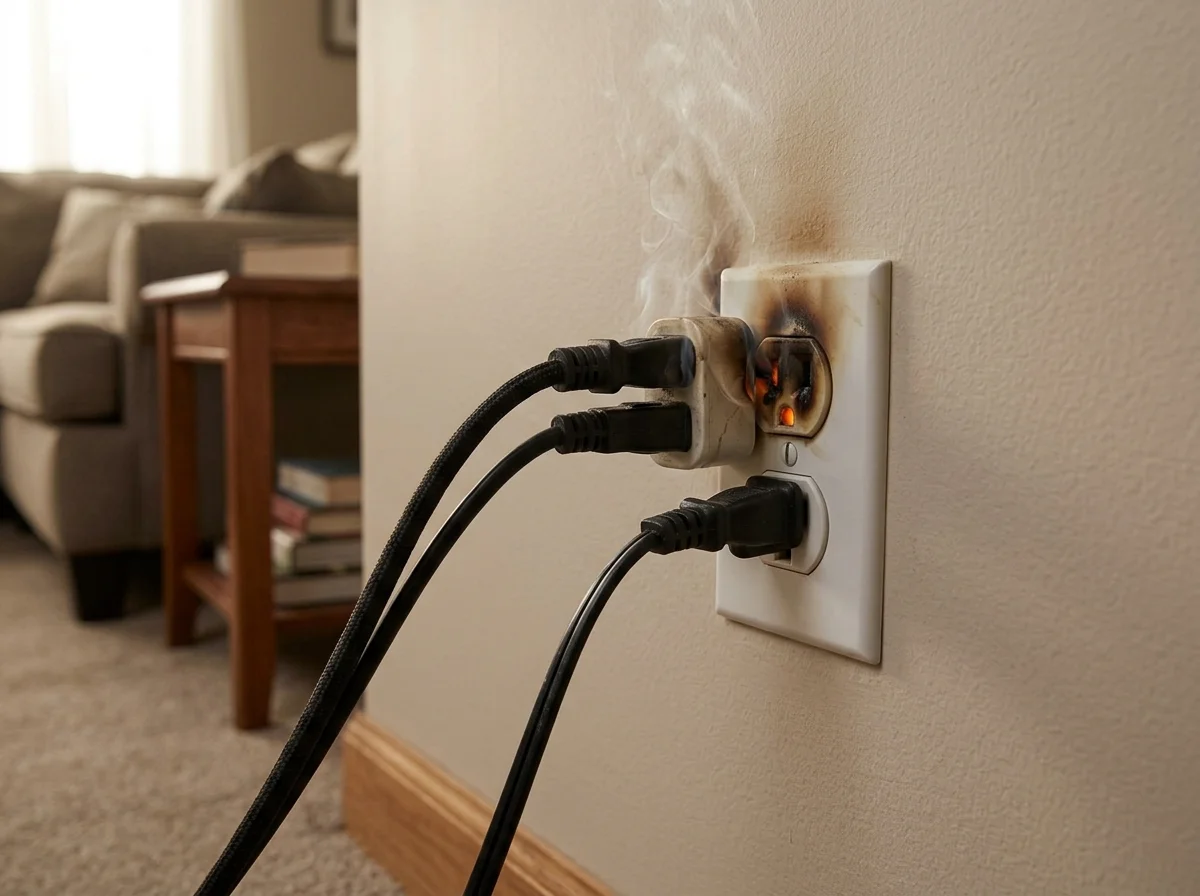
- Scorch marks or an unusual burning smell
- Electrical items listed in a home inspection or permit inspection report
- A remodel or electrical alteration you’re planning
- Questions about required circuit protection, grounding, permits, or approvals
| Electrical Safety ReminderIf you see sparking, smoke, or fire, get away from it and call 911. Don’t touch exposed wiring or open an energized panel to investigate. |
How Can Homeowners Verify Electrical Code Compliance
Compliance comes back to location. Rules in Indianapolis may not match Carmel or Greenwood. The National Electrical Code is the model standard that most electrical rules start from. What’s enforceable here depends on the codes Indiana has adopted, including state amendments and any local requirements. Indiana adopts its building and electrical codes at the state level, and those adoptions get revised over time.
In Indianapolis and Marion County, the Department of Business and Neighborhood Services handles permits, licensing, and inspections. Surrounding cities and counties often run their own building departments. Before you start work or close out a correction, confirm the permit and inspection requirements with that office or a licensed local electrician.
Get Help Addressing Electrical Code Violations
Electrical code violations come in many forms—from simple installation errors and missing GFCI/AFCI protection to grounding issues and citations on inspection reports. Others lack protection or grounding and are marked on an inspection. Rinder Electric is an Indianapolis- and Central Indiana-licensed, bonded, and insured electrician. The team performs electrical repairs, electrical panel services, and wiring and rewiring. They also help manage permits and inspections when the work requires them. If you suspect a problem or need an inspection item corrected, call (317) 701-1713 or schedule an electrical assessment.
Frequently Asked Questions
What Are the Most Common Electrical Code Violations?
Improper wiring and unsafe splices lead the pack. Grounding problems and missing required GFCI or AFCI protection are close behind. Open or overfilled junction boxes and panel issues round out the list.
Do Electrical Code Violations Need to Be Fixed Immediately?
It depends on the condition. Exposed live wiring or scorch marks need prompt attention. Lower-risk deficiencies should still be corrected on a timeline that follows your electrician’s guidance and the requirements.
Does Electrical Work Always Require a Permit or Inspection?
Not always. Requirements vary by location and type of work. Check with your local building department or a licensed electrician before you start.