
Hiring an electrician shouldn’t involve uncertainty about costs. Before any work begins, you deserve a clear understanding of what you’ll pay. Electrician pricing in 2026 can vary significantly based on the type of project, your location, the complexity of the work, and the professional you choose. This guide provides realistic, up-to-date pricing estimates to help you plan your budget with confidence, compare quotes more effectively, and avoid unexpected expenses, ensuring you make informed decisions before hiring an electrician.
What Is the Average Electrician Cost?
The average electrician service cost in 2026 ranges from $100 to $300 per hour for labor alone. Some electricians charge flat rates for specific jobs instead. Service calls typically run $75 to $150 just to diagnose the problem. The final bill depends on what needs fixing and how long it takes.
Most homeowners spend between $150 and $500 for a basic repair. Bigger projects like full home rewiring can hit $5,000 to $15,000. Emergency electrician rates are significantly higher—expect 1.5 to 3 times the normal rate for after-hours work.
The cost to hire an electrician has climbed steadily in 2026. Labor rates increased about 8% from 2025. Materials like wire, breakers, and fixtures cost more too. But quality electrical work is worth the investment. Poor wiring can cause fires, expensive damage, and safety hazards.
How Much Do Electricians Charge Per Hour?
How much do electricians charge per hour Hourly rates vary based on experience and location. Most licensed electricians charge $75 to $150 per hour for standard work. Specialized electricians, such as solar installers, may charge $150 to $250 per hour, while apprentices typically charge $40 to $60 per hour under the supervision of a licensed electrician. Understanding how much electricians charge per hour helps you compare estimates and budget more accurately for your electrical project.
Here’s what affects the hourly rate. Experienced, licensed electricians cost more but finish faster and do higher-quality work. Urban areas like Boulder have higher rates than rural regions. Emergency or night work multiplies the rate by 1.5 to 3 times. Some electricians offer discounts for larger projects or multiple repairs.
Always ask if the quote includes travel time. Some charge mileage; others fold it into the hourly rate. Get at least two quotes before deciding. Don’t just pick the cheapest option—cheap often means inexperienced or cutting corners on safety.
Service Call Fees: What to Expect
Most electricians charge a service call fee before they touch anything. This diagnostic fee typically runs $75 to $150. It covers the time to evaluate your problem and provide a quote. Some electricians waive this fee if you hire them for the job.
The service call fee isn’t pure profit. The electrician drives to your home, inspects the issue, tests circuits, and identifies what needs fixing. A thorough inspection takes 30 minutes to an hour. For complex problems, they might need multiple visits.
Pro tip: ask about the fee upfront. Some companies advertise “free estimates” but charge after inspecting. Others include diagnostics in the final bill if you proceed. Clarify this before they arrive. If they identify a quick fix and you decline the work, you still owe the service fee—that’s standard.
Electrician Service Cost by Job Type
Different jobs cost different amounts. Understanding typical pricing for each type helps you budget correctly.
Basic Repairs and Troubleshooting
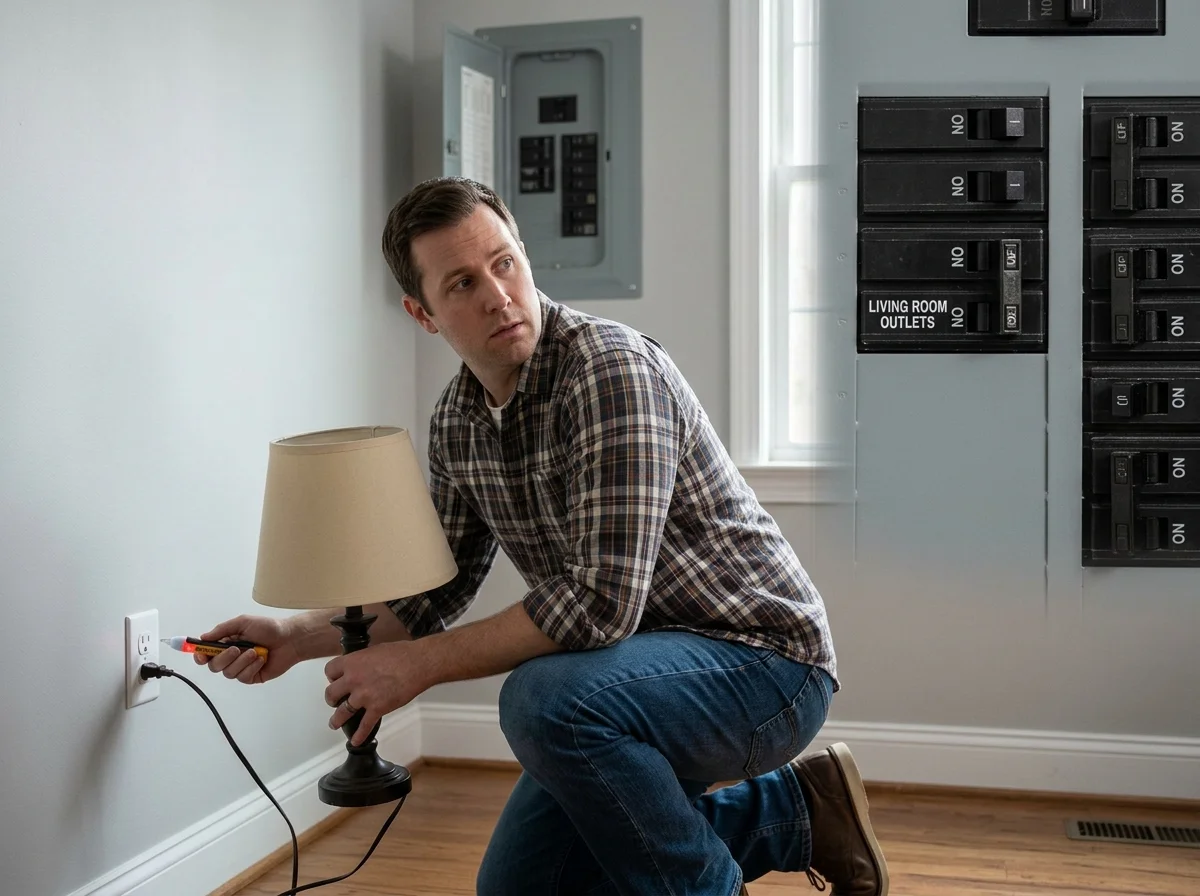
Simple fixes like replacing outlets, switches, or light bulbs run $150 to $300 total. Finding a tripped breaker or loose connection might cost just the service call fee. Fixing flickering lights could be $200 to $400 if it requires new fixtures or rewiring.
These jobs are usually straightforward. The electrician locates the problem and fixes it in an hour or two. Cost mainly depends on whether new parts are needed.
Light Fixture Installation Cost
Installing a new ceiling light or wall fixture typically costs $150 to $400. This includes the electrician’s labor, not the fixture itself. Chandeliers or recessed lighting runs higher—$200 to $600 per fixture—because it’s more complex.
The light fixture installation cost depends on where it goes. Replacing an existing fixture is cheaper than adding a new circuit. Recessed lights need attic or crawl space access, which takes longer. If you’re installing a chandelier, the electrician needs to ensure the ceiling can support the weight and handle the wattage.
Most homeowners buy the fixture separately. Bring it to the appointment so the electrician knows exactly what they’re installing.
Outlet and Switch Installation
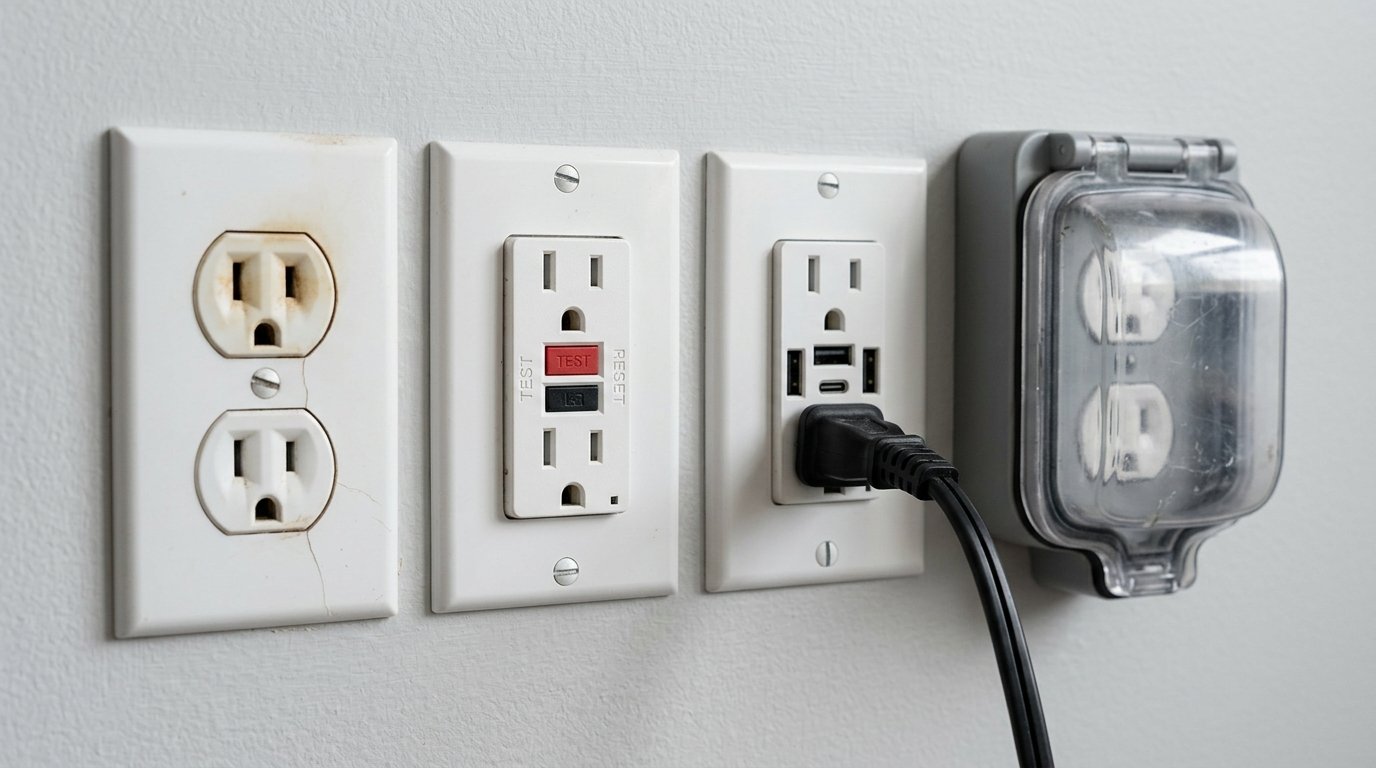
Adding a new outlet or switch costs $150 to $300 per location. If the circuit has spare capacity, it’s straightforward. If a new circuit is needed, expect $300 to $800 depending on how far the wiring must run.
Outlets near existing circuits are cheaper. A new outlet upstairs when the panel is downstairs costs more because wiring must travel through walls. Outdoor outlets require weatherproof boxes and GFCI protection, which adds $50 to $100 per outlet.
Light Fixture Replacement
Swapping out old fixtures for new ones usually costs $250 to $500 per fixture. This is simpler than installation if the existing fixture stays in the same spot. The electrician disconnects the old one and connects the new one.
If you’re upgrading multiple fixtures at once, you might negotiate a better rate. Batch jobs often get small discounts.
Emergency Electrician Cost
Need an electrician at 11 PM on a Sunday? Prepare to pay premium rates. Emergency electrician costs are 1.5 to 3 times higher than regular rates. A $150 hourly rate becomes $225 to $450 per hour after hours.
Emergency situations justify the premium. Electricians sacrifice personal time, pay their technicians overtime, and maintain 24/7 availability. Their insurance and overhead reflect round-the-clock operations.
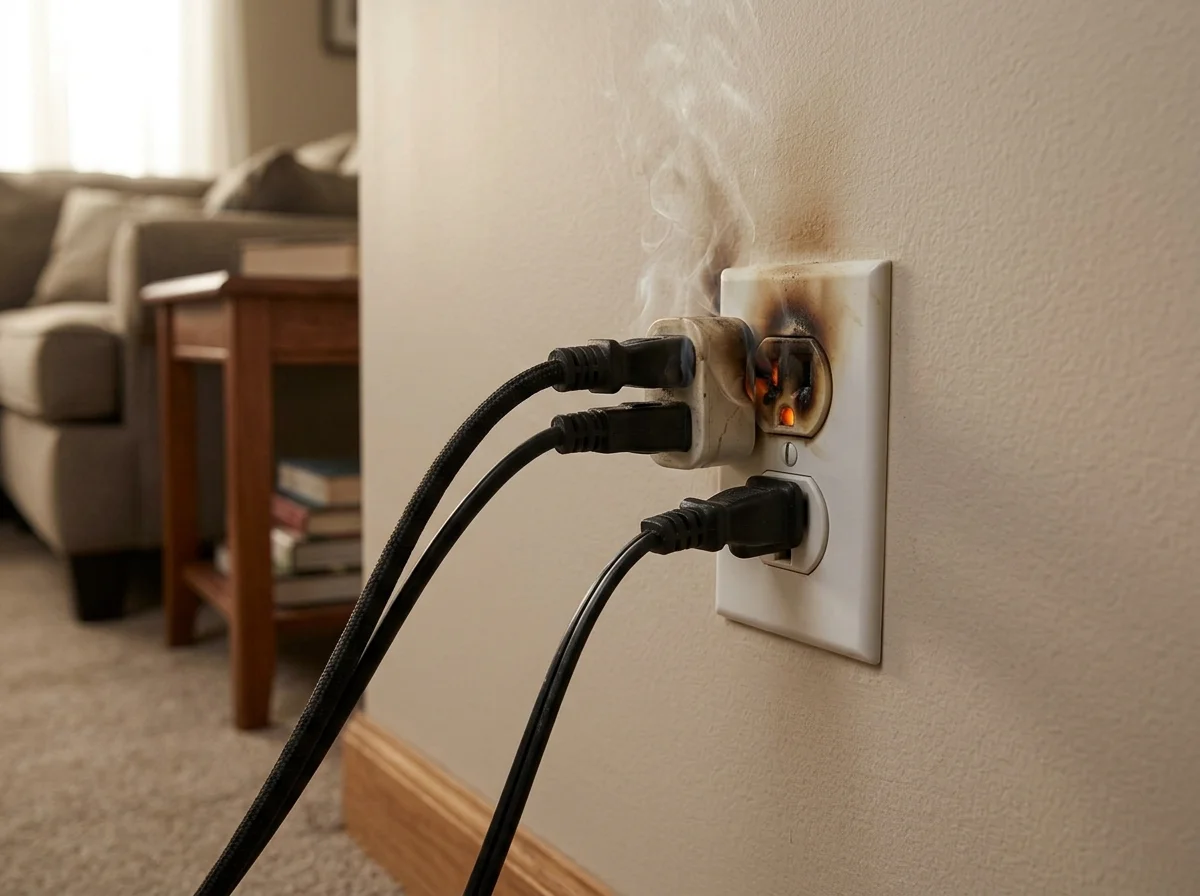
What counts as an emergency? Dead outlets in multiple rooms. Complete power loss. Burning smells from outlets or switches. Sparks or buzzing sounds. Flickering lights that suggest failing circuits. These warrant immediate professional attention not DIY attempts.
Some emergency calls turn out minor. Still, you pay the emergency rate for getting them there fast. Non-emergencies can wait for daytime rates. If a light is out but everything else works, it’s probably not urgent. If you smell burning plastic, call immediately.
Home Rewiring Cost
Complete home rewiring is one of the biggest electrical projects. Costs range from $5,000 to $15,000 for most houses. Full rewiring might reach $20,000+ for large homes or complex layouts. Labor typically accounts for 50-70% of the total cost.
Home rewiring becomes necessary when the existing wiring is outdated, damaged, or dangerous. Aluminum wiring from the 1960s-70s poses fire risks. Knob-and-tube wiring in older homes needs replacing. Corroded or damaged wiring anywhere requires rewiring.
The cost to hire an electrician for this job depends on your home’s size, age, and layout. Older homes with complex wiring patterns cost more. Single-story houses are cheaper than multi-story ones. Access to walls and attics affects pricing too.
Most electricians quote based on the square footage. Expect $3 to $8 per square foot for complete rewiring. A 2,000 sq ft home runs $6,000 to $16,000. Get multiple quotes—pricing varies significantly between electricians.
Panel Upgrades and Service Expansion
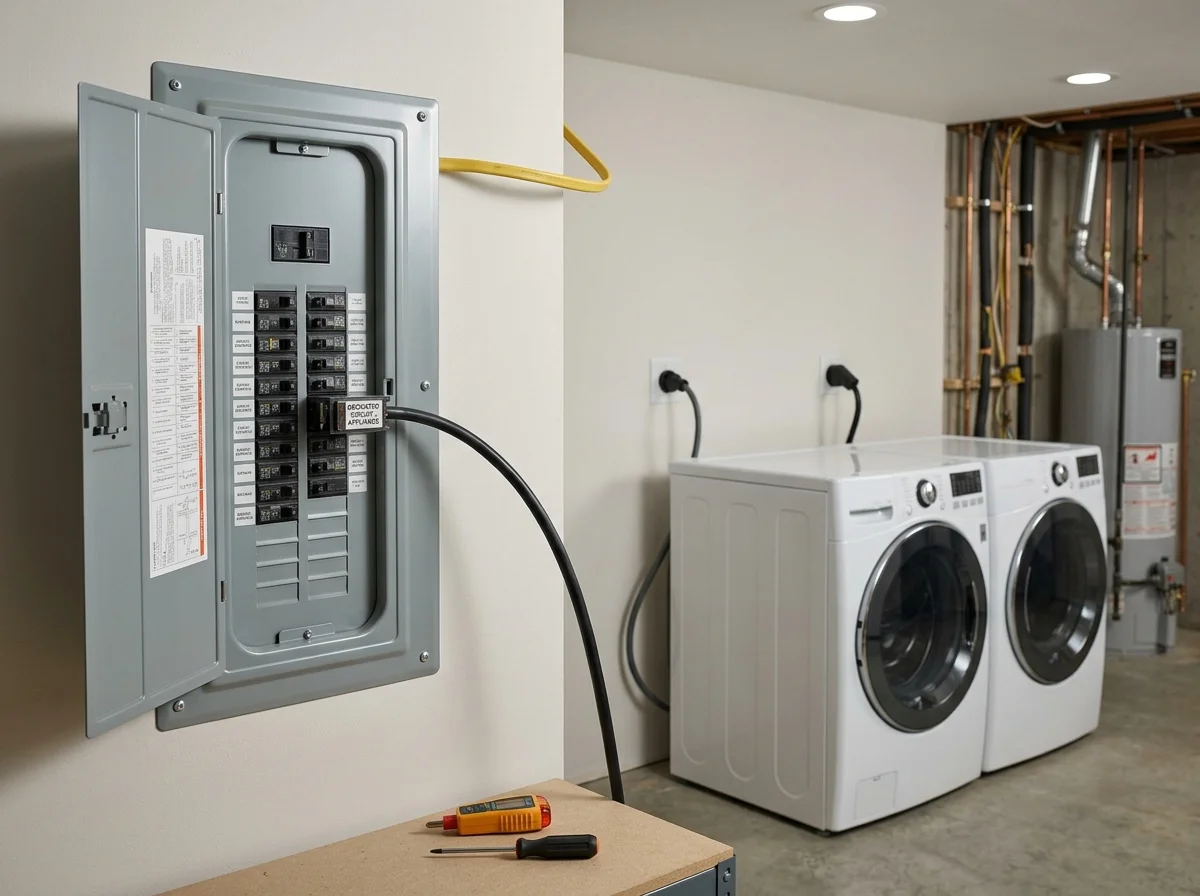
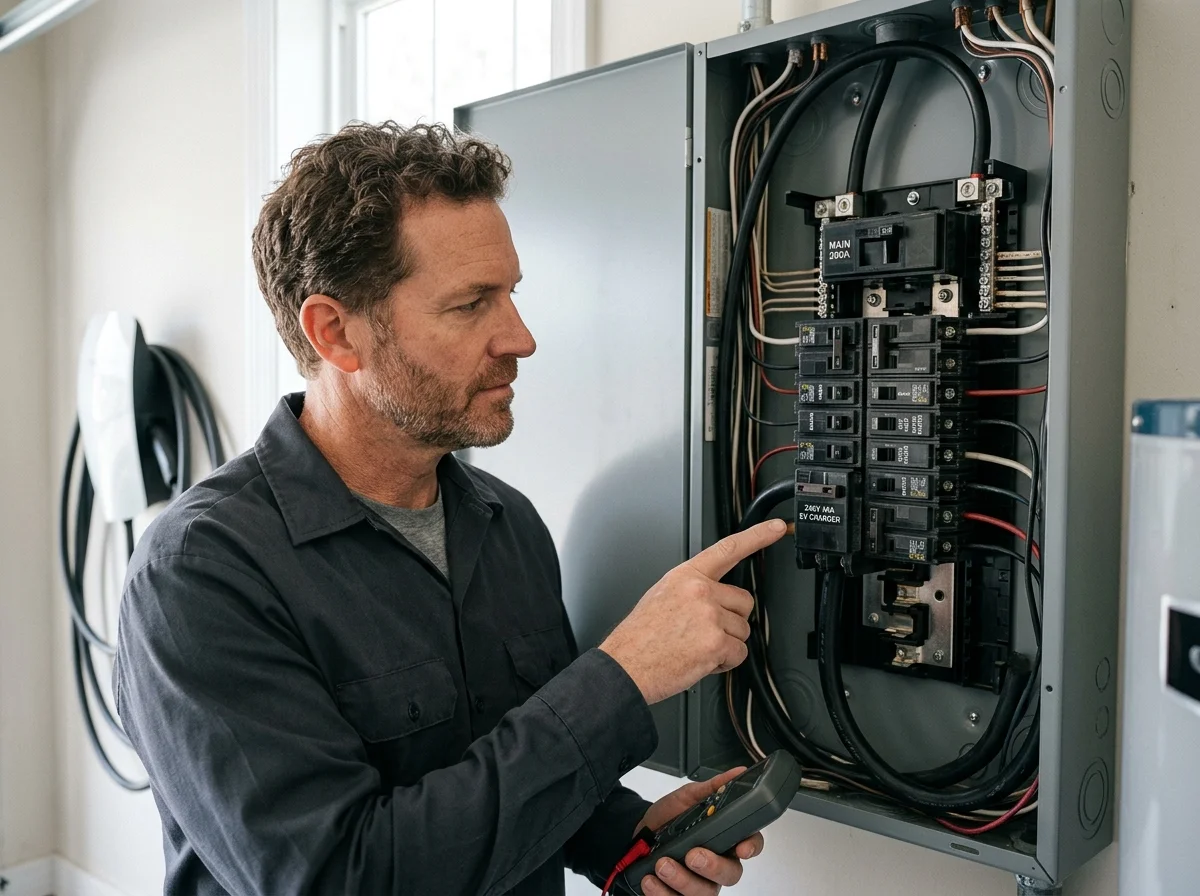
Electrical panel upgrades typically cost $2,000 to $4,000. This includes labor to disconnect the old panel, install the new one, and transfer all circuits. Permits and inspections add $200 to $500 extra.
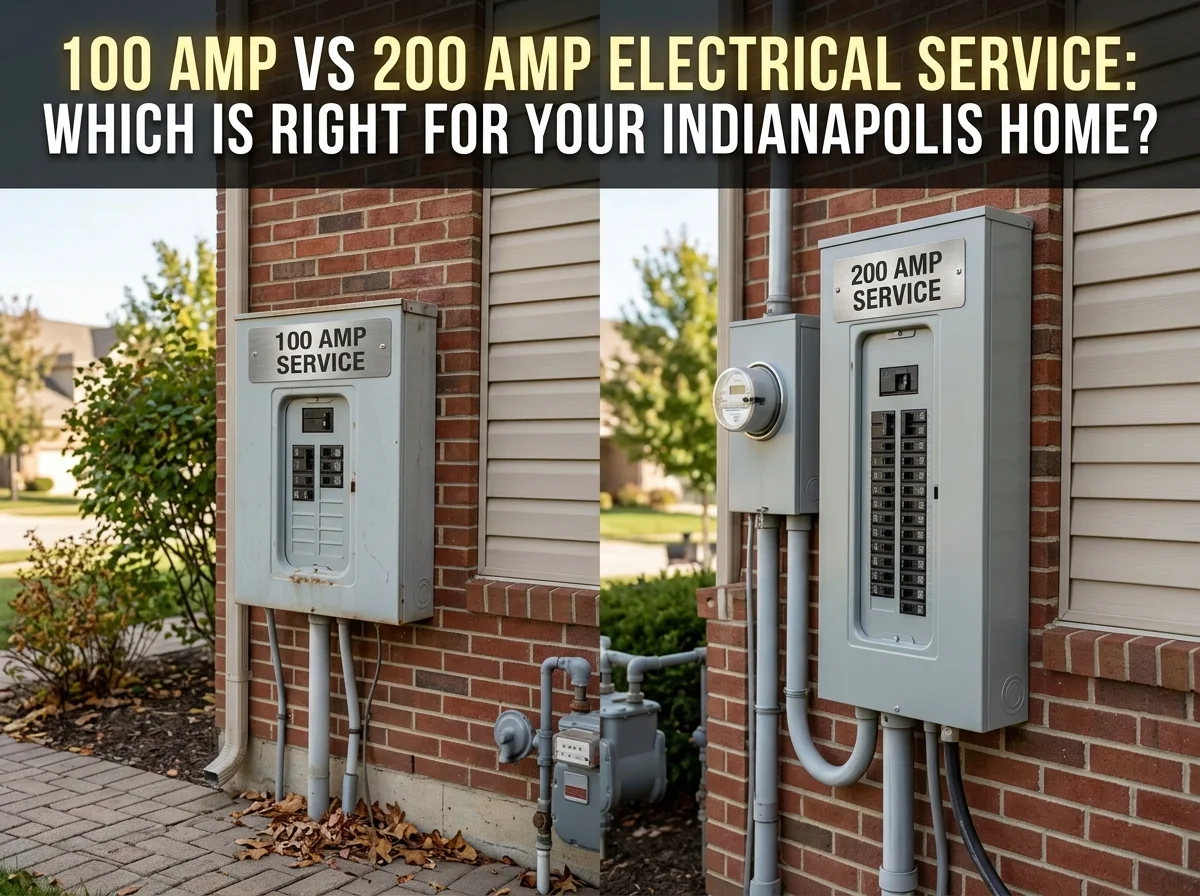
Why upgrade? Older panels have limited capacity. New appliances, air conditioning, or EV chargers need more power. A panel upgrade increases your home’s electrical capacity from 100 amps to 200 amps (common upgrade) or 150 to 200 amps.
The job takes 8 to 12 hours for a skilled electrician. Most code requires a licensed electrician and inspector approval. DIY work on electrical panels is illegal and dangerous. Professionals have insurance that covers panel work; you don’t.
Outlet Installation Multiple Locations
Adding outlets to several rooms drops the per-outlet cost. Installing 5 outlets might run $1,000 to $1,500 total, or $200-$300 each. One outlet alone costs $250-$400. Batch work saves money because the electrician sets up once and moves efficiently.
Plan outlets during planning phases, not piecemeal. Clustering outlets in one area is cheaper than scattered single outlets. Consider future needs—better to add extra outlets now than rewire later.
What Affects Electrician Pricing
Several factors determine what you actually pay.
Location and Travel Distance
Boulder electricians often charge more than rural areas. Urban rates reflect higher rent, insurance, and cost of living. Travel distance matters too. A 20-minute drive costs more than a 5-minute job. Some electricians charge mileage; others include it in hourly rates.
Complexity of the Work
Simple outlet replacement costs less than rewiring a bathroom with GFCI protection. Complex jobs need more planning and time. Unexpected problems discovered during work can increase costs.
Materials and Parts
Supplies aren’t cheap. Quality wire, breakers, outlets, and fixtures add to labor costs. Your electrician might charge material markup (typically 15-30%). Some quote materials separately; others include markup in labor.
Permit and Inspection Costs
Many jobs require electrical permits. Permits run $50 to $300 depending on the job and location. Inspectors verify code compliance. These costs aren’t optional—unpermitted work voids insurance and creates liability.
Time of Day and Season
Daytime work on weekdays is cheaper than nights and weekends. Winter typically has slower demand, sometimes leading to discounts. Summer is busy season with premium rates.
Tips to Reduce Electrician Costs
Get multiple quotes. Call at least 3 electricians and compare. Don’t assume the cheapest is best, but major price differences suggest something’s off. Ask about discounts for multiple jobs or batch work. Some electricians offer 10-15% off for larger projects.
Handle simple prep work yourself. Clear access to problem areas. Remove furniture or obstacles blocking walls. This saves the electrician time and lowers your bill. Ask what prep you can do before they arrive.
Address problems early. A small electrical issue caught early costs less than major damage requiring extensive repairs. Regular maintenance prevents expensive emergencies.
Bundle projects together. If you need several outlets and a fixture installed, hire one electrician once instead of multiple visits. Bundling reduces trip charges and setup time.
Frequently Asked Questions
How Much Does It Cost to Install a New Light Fixture?
Installing a single light fixture runs $150 to $400 depending on complexity. Simple replacements of existing fixtures cost less—around $150 to $250. Recessed lighting or chandeliers in challenging spaces cost more, up to $600 per fixture. The price includes labor and basic electrical work but not the fixture itself. Most homeowners buy fixtures separately.
Is It Cheaper to Hire an Electrician or Do It Myself?
Electrical work looks simple but carries serious risks. One mistake can cause fires, shocks, or death. Permits require licensed electricians for most jobs anyway. Insurance won’t cover DIY electrical damage. The “savings” disappear when you factor in danger, legal issues, and mistakes. Hire a professional. It’s safer and often costs less than fixing DIY disasters.
How Much Does Emergency Electrician Service Cost?
Emergency electrician costs 1.5 to 3 times normal rates. A $150/hour electrician becomes $225-$450 after hours. Service calls at night or weekends cost $150-$300 just for showing up. The premium reflects the electrician sacrificing personal time and paying overtime wages. Real emergencies (no power, burning smells, sparks) justify the cost. Non-urgent problems can wait for daytime rates.
What’s Included in the Electrician Service Cost?
Labor is the main cost—the electrician’s time and expertise. Most quotes exclude materials unless specified. Ask if the quote includes travel time, service fees, or permits. Some electricians bundle everything; others itemize. Get written quotes listing what’s included. Never assume supplies are included without asking explicitly.
Why Is My Electrician Quote So High?
High quotes usually mean complexity or experience. Experienced electricians charge more but finish faster. Complex jobs need more planning and time. Multiple problems discovered during work increase costs. Ask for a detailed breakdown. Understanding why costs mount helps justify the expense and confirms the price is fair.
Should I Get Multiple Electrician Quotes?
Absolutely. Get at least 3 quotes before hiring. Prices vary 20-50% between electricians. Compare what’s included, not just the total. The cheapest might cut corners on quality or safety. The most expensive might be overpriced. Find the middle ground—licensed, insured, with good reviews at reasonable rates.