
Electrician hourly rates in Indiana typically range from $75 to $125 for standard residential services in 2026. The total cost may increase with service call fees, materials, permits, or emergency charges. Smaller repairs can have higher costs per task because travel, setup, and inspection time are still included. Understanding these pricing factors helps homeowners compare estimates, plan their budget, and avoid unexpected charges when hiring an electrician.
What Are Electrician Hourly Rates in Indiana in 2026?
A useful planning range is $75 to $125 per hour for regular residential service. Basic work may fall near the lower end. Complex repairs may reach $125 to $150 per hour. Indiana has no fixed statewide price list for electrical work.
Electrical service rates in Indiana vary by skill and timing. An apprentice or helper under supervision may charge $45 to $65 per hour. A standard residential electrician often charges $75 to $125 per hour. Master electricians or specialists may charge $100 to $150 or more per hour. Emergency or after-hours work usually costs $125 to $250 per hour. Many companies also charge a service call or first-hour minimum of $100 to $200.
National 2026 data places licensed electrician rates between $50 and $130 per hour. First-hour service fees often range from $100 to $200. Indiana electricians earn a mean wage near $34.05 per hour. Customer rates are higher because they also cover insurance, tools, travel, office costs, and taxes.
Why Do Electrician Hourly Rates in Indiana Change?
Electrician hourly rates in Indiana change with skill, location, timing, and job risk. The condition of your wiring also matters. Open and easy work areas often lower labor time, while hidden damage, old panels, and poor access can raise the price. These factors are also part of why electricians are so expensive in Indianapolis, as labor expertise, equipment, safety requirements, and repair complexity all affect the final cost.
How Does Skill Level Affect Licensed Electrician Cost in Indiana?
A licensed electrician usually costs more because the work carries serious risk. Apprentices handle basic tasks under supervision. Journeyperson electricians complete many common repairs alone. Master electricians often manage panel upgrades, code problems, and complex projects.
Current data lists apprentice labor near $40 to $60 per hour. Journeyperson rates often run from $60 to $90. Master electrician rates commonly reach $90 to $120 or more. A skilled electrician may also solve the problem faster, which can lower total labor time.
Why Does Your Indiana Location Change Pricing?
Your location can change the cost to hire an electrician in Indiana. Companies near Indianapolis may have higher business costs. Rural homeowners may pay added travel time or mileage. Busy local markets can also have higher minimum fees.
Electrician wages differ across Indianapolis, Fort Wayne, Evansville, South Bend, Lafayette, and other areas. These wage gaps can affect local service prices. They do not set the customer rate. They simply help explain why quotes vary by ZIP code.
How Do Job Size and Materials Affect the Bill?
Job size affects both labor time and the pricing method. Contractors may charge hourly rates for testing and repairs. Standard installs may use a flat price. Large projects often use a written quote covering labor and materials.
Breakers, copper wire, outlets, panels, and fixtures can raise the total. Special-order parts may also delay the work. Panel upgrades and new circuits may require local permits. Ask whether the quote includes parts, markup, permits, cleanup, and tax.
What Are Residential Electrician Rates in Indiana for Common Jobs?
Residential electrician rates in Indiana may be hourly or flat. Small repairs often fit within one service visit, while services like an electrical inspection can help identify potential issues before they become larger problems. New wiring and panel work usually need a full estimate. These national 2026 ranges offer a baseline for Indiana budget planning. Local quotes can still differ.
The cost of common residential electrical work varies by job size. An electrical inspection may cost between $100 and $125. Installing a light switch often ranges from $85 to $200. A new outlet may cost $200 to $300, while ceiling fan installation can range from $140 to $350. Installing a light fixture may cost between $155 and $955, depending on the fixture and wiring. Replacing a breaker panel can range from $520 to $2,120. A full electrical panel upgrade may cost $1,200 to $2,000. Wiring or rewiring a home is a larger project and may cost between $1,500 and $10,000.
Older homes may cost more because problems stay hidden behind walls. The electrician may find damaged wiring, poor grounding, or crowded panels. Finished basements and tight attics can also slow the work. A site visit gives you a more useful price than a phone guess.
Are Flat Rates Better Than Hourly Rates?
Flat pricing works well when the job has a clear scope. You know the price before work begins. Hourly billing often makes more sense for testing an unknown fault. Neither method is always cheaper, so compare the full cost and included work.
Ask whether parts, permits, and warranties are included. For hourly jobs, request an estimated time range. You can also set a spending limit before extra work begins. These steps keep the final bill easier to control.
What Are Electrician Service Call Fees in Indiana?
Electrician service call fees in Indiana often range from $100 to $200. The charge may cover travel, inspection, and some first-hour labor. Other companies bill repair labor separately. Ask for the total cost of the first hour before booking.
What Does the Service Fee Usually Cover?
A service fee pays for the electrician to reach your home. It may also cover vehicle costs and basic diagnosis time. Some companies include the first labor hour. Others start hourly billing when the electrician arrives.
Ask what the fee includes and when labor billing starts. Check whether the fee applies toward an approved repair. A company may waive it for a larger project. Get any discount or waiver in writing.
How Can You Avoid Paying a Service Fee Twice?
Group several small repairs into one visit when possible. List every faulty switch, light, outlet, and fan. Send photos and model numbers before the appointment. This may help the electrician bring the correct parts.
Give a full description of the problem. Missing details can cause delays or another trip. A clear list also helps the company estimate time. You then get more value from the minimum visit fee.
What Are Emergency Electrician Rates in Indiana?
Emergency electrician rates in Indiana often run from $125 to $250 per hour. A call-out charge may add another $100 to $200. Nights, weekends, and holidays usually cost more. Some companies charge time-and-a-half or double their standard rate.
What Counts as a True Electrical Emergency?
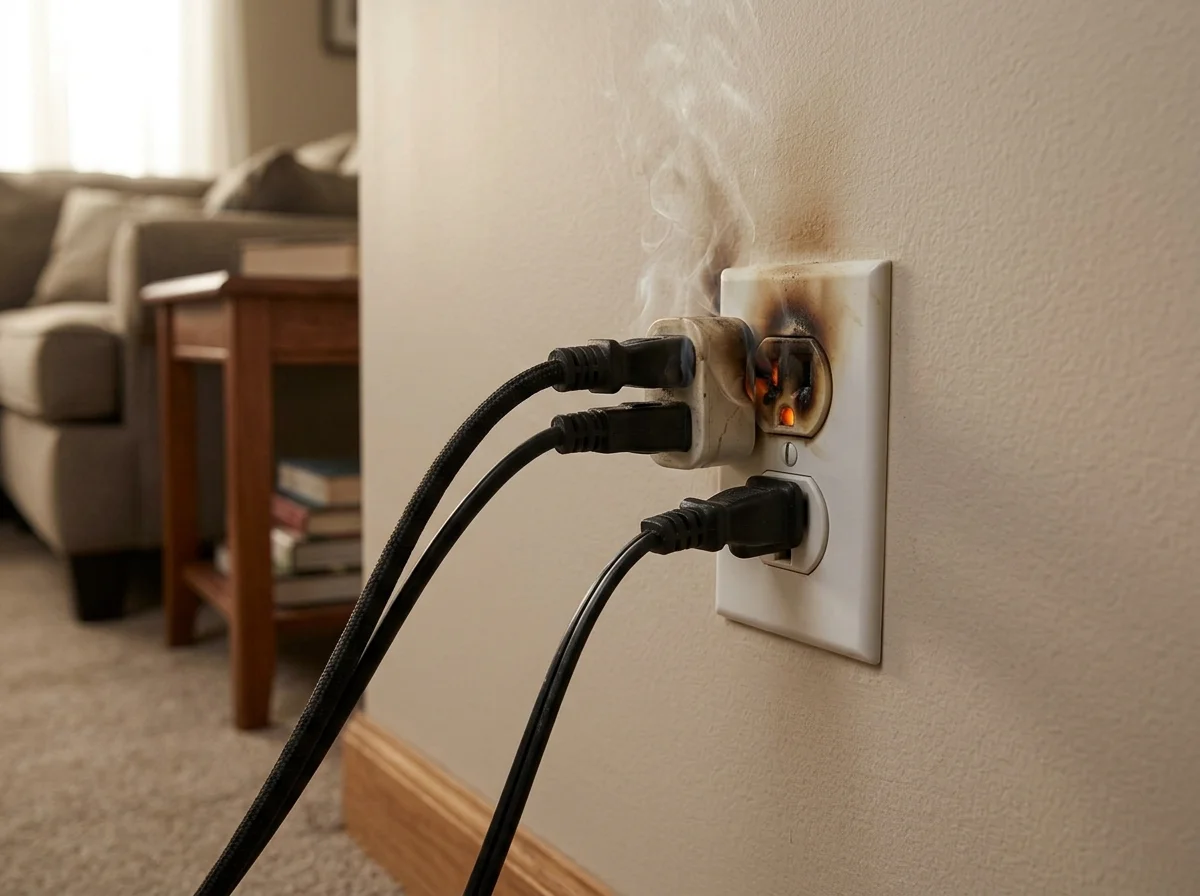
A true emergency creates a risk of fire, shock, or major damage. Warning signs include smoke, sparks, burning smells, or a hot panel. Exposed live wires also require fast help. Leave the area when you feel unsafe.
Call emergency services when there is an active fire. Do not touch wet electrical equipment. Avoid opening a hot or damaged panel. Safety matters more than price during a serious electrical event.
When Can the Repair Wait Until Business Hours?
A stable and isolated issue may wait until normal hours. One broken fixture or dead outlet can often wait. Turn off the affected circuit when it is safe. Keep children and pets away from the area.
Waiting can reduce the licensed electrician cost in Indiana. After-hours work may cost up to twice the regular rate. You can also compare quotes during the day. Never wait when you see heat, smoke, sparks, or exposed wiring.
How Can You Estimate the Cost to Hire an Electrician in Indiana?
Start with the hourly rate and expected labor time. Add the service call, materials, and permit costs. Include a small buffer for hidden problems. Older homes often need more testing or extra repairs.
For example, two hours at $95 equals $190 in labor. Add a $125 service fee and $60 in parts. The estimated total becomes $375. The final bill may change after the electrician tests the system.
Request a written estimate before approving major work. It should list labor, parts, fees, and permits. Get two or three quotes for large projects. Compare the same scope, since the cheapest quote may exclude important items.
How Can You Hire a Safe Electrician Without Overpaying?
Check local licensing, insurance, reviews, and written terms before hiring. Indiana does not issue one statewide electrical contractor license, so cities and towns may set their own rules. Before choosing a professional, homeowners should understand how to check if an electrical contractor is licensed in Indianapolis and verify the requirements where their home is located.
Lafayette issues local residential and commercial electrical licenses. Mishawaka uses its own license and bond process. Other Indiana areas may use different rules. These local systems make license checks important.
Ask who will pull required permits and arrange inspections. Request proof of insurance before a large project. Avoid large cash payments before work starts. Keep the estimate, invoice, permit record, and warranty after completion.
Frequently Asked Questions
How Much Do Electricians Charge Per Hour in Indiana?
Most homeowners should plan for $75 to $125 per hour in 2026. Simple work may cost less, while master or specialty work may cost more. The first visit may also include a $100 to $200 service fee. Your city, job size, and wiring condition will affect the final price.
Is the Electrician Service Fee Separate From the Hourly Rate?
It depends on the company’s policy. Some electricians include travel and first-hour labor in the service fee. Others charge the visit fee and hourly labor separately. Ask for the exact first-hour total before booking, since that number gives a better comparison than the hourly rate alone.
Why Does a Licensed Electrician Cost More in Indiana?
Licensed or locally approved electricians carry training, tools, insurance, and business costs. They also take responsibility for code-safe work. Indiana licensing rules can differ by city, which adds local compliance duties. The higher rate can protect you from poor repairs, permit problems, and unsafe wiring.
How Much Does an Emergency Electrician Cost in Indiana?
Emergency service often costs $125 to $250 per hour in Indiana. A separate call-out charge may add $100 to $200. Weekend, holiday, and late-night calls can reach double the normal rate. Ask about the minimum charge, but do not delay when you see sparks, smoke, heat, or exposed wires.
How Much Should a Small Electrical Job Cost?
A small electrical job often costs $150 to $400 after minimum fees. Replacing one switch may take little time, but the service charge still applies. Grouping several repairs into one visit can lower the cost per task. Ask whether the company offers a flat rate for common residential work.