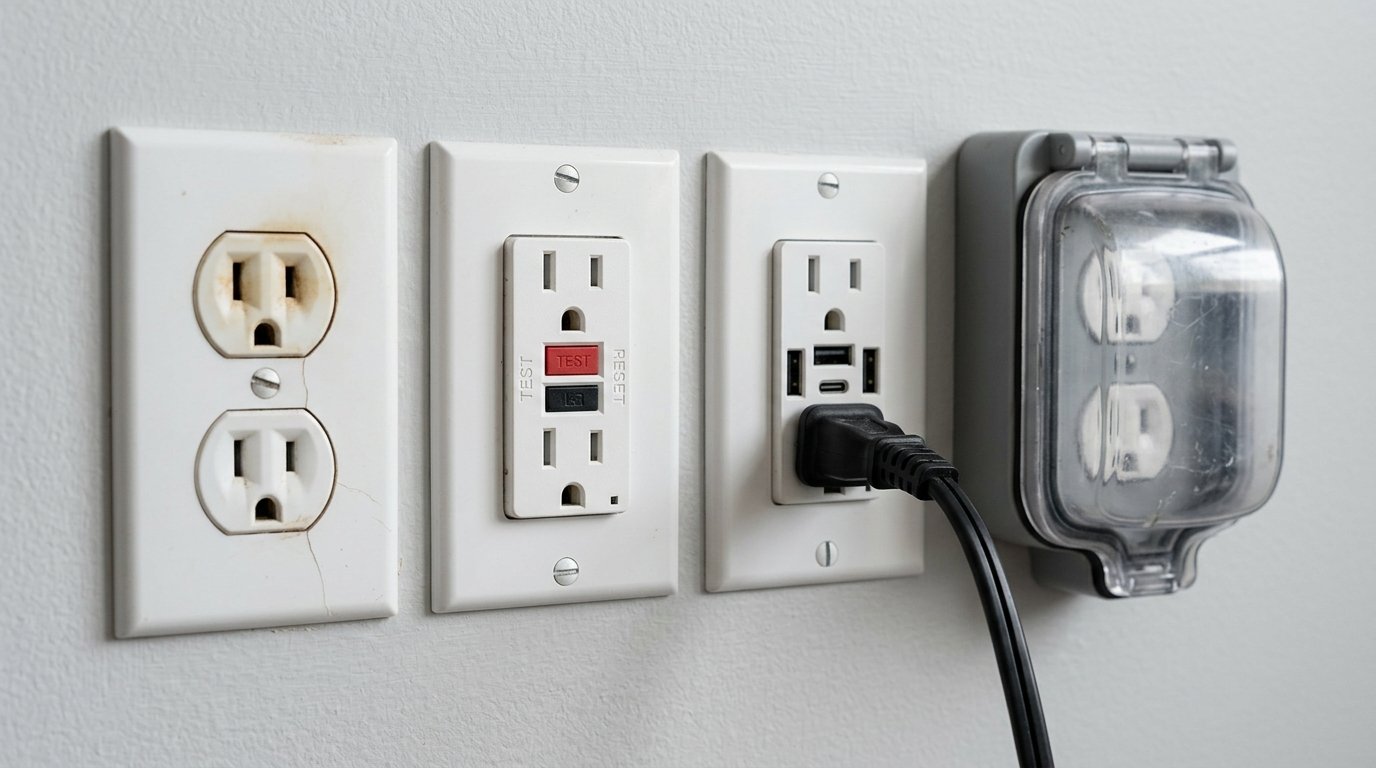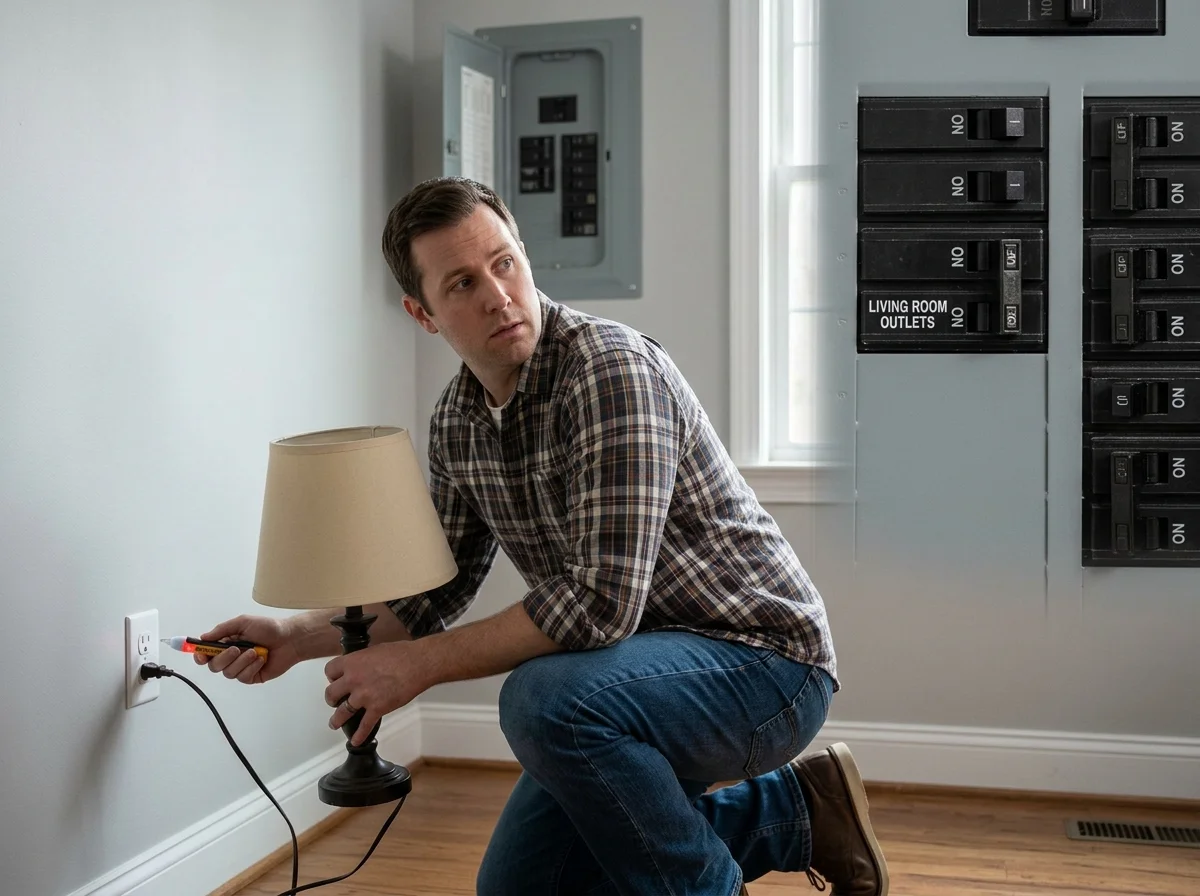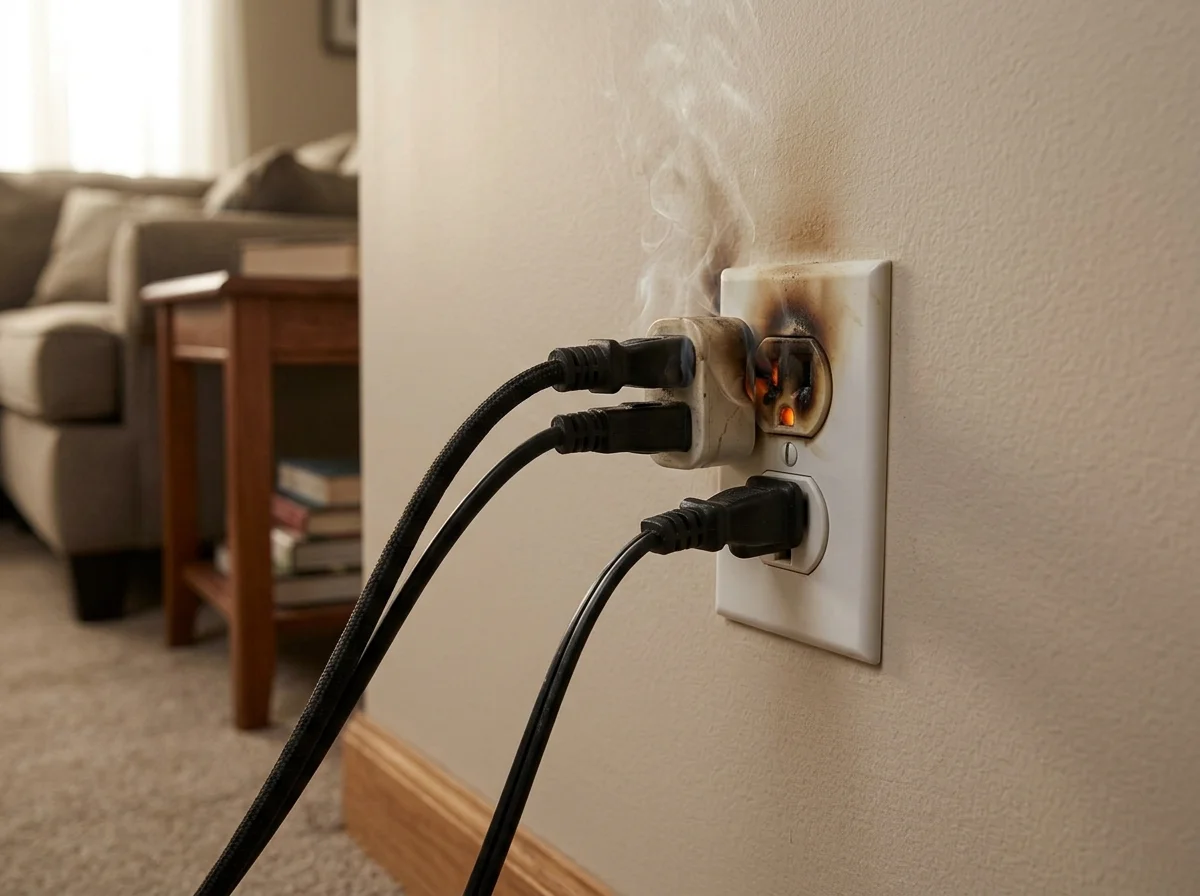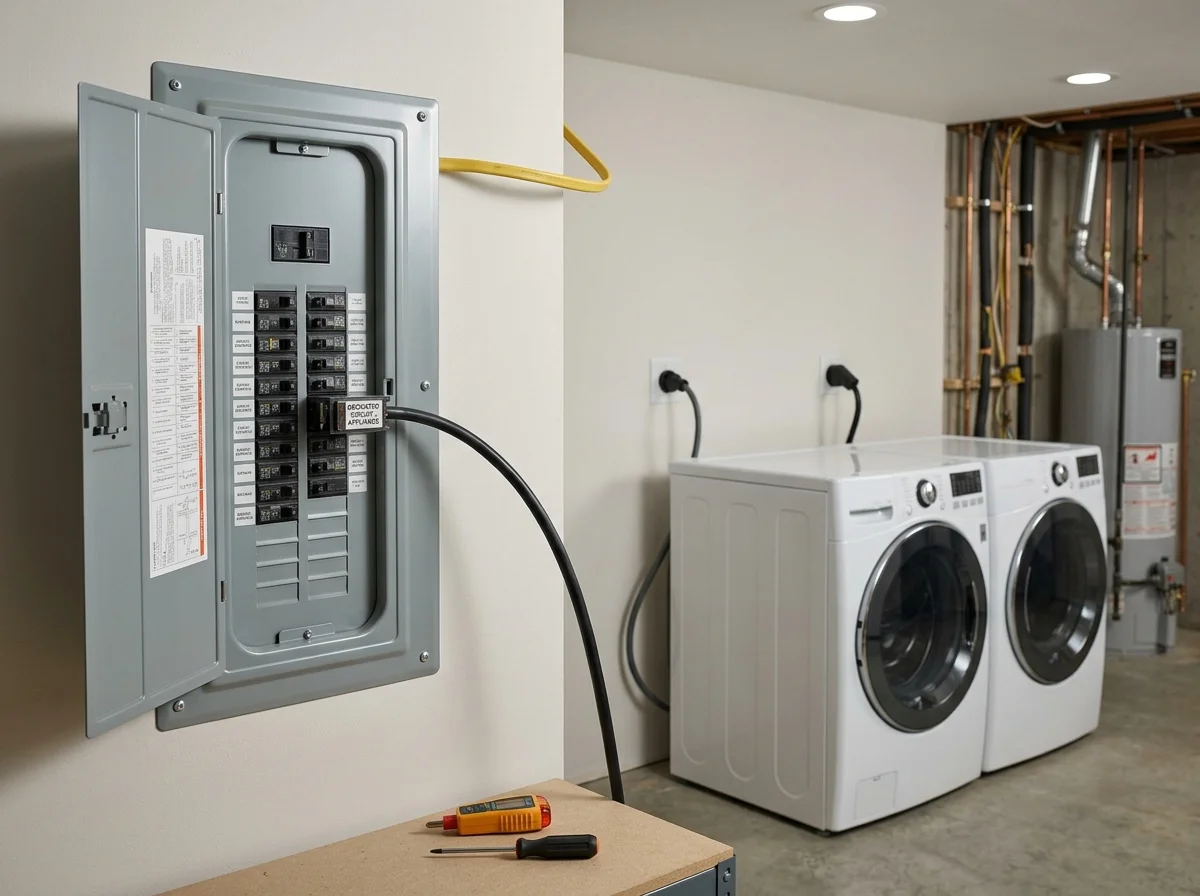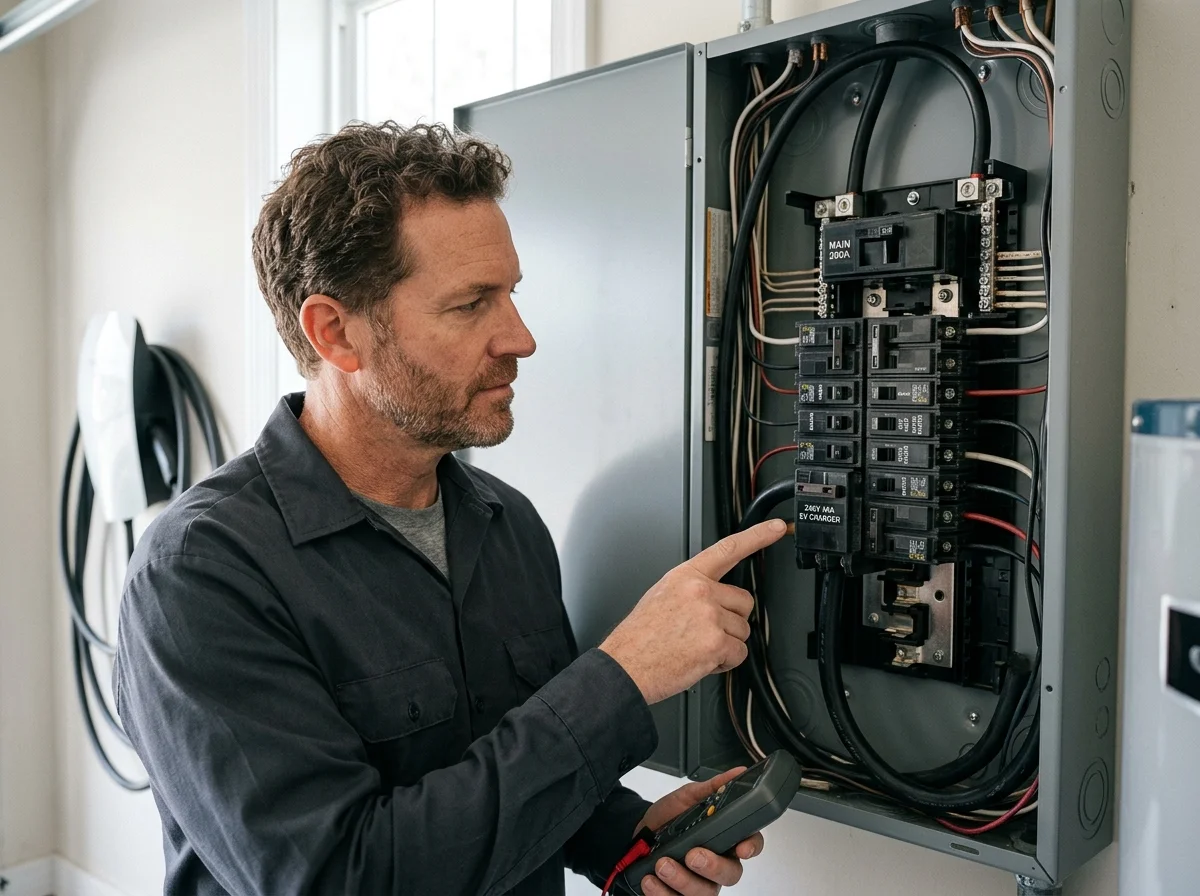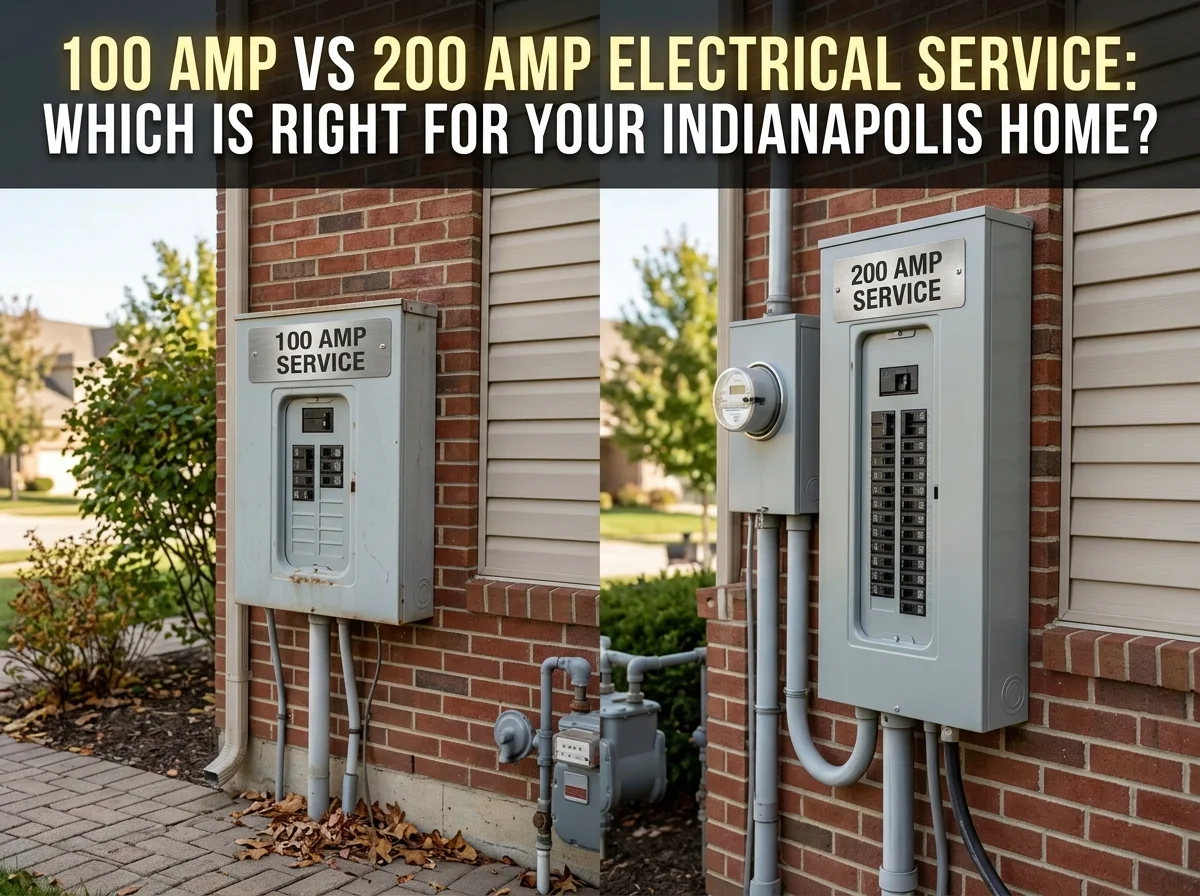
An Indianapolis homeowner just bought an EV and wants a charger in the garage. The home already has an electric range, heat pump, and electric water heater running from the same panel. Before the installation is scheduled, one question needs answering: does the electrical panel actually have room for a charger on top of everything else?
That is what electrical panel EV charger capacity really comes down to, because the amp rating on the panel alone doesn’t tell the whole story. The 100-amp or 200-amp number tells you the service size, but the electrical panel itself needs to be evaluated alongside the home’s existing electrical demand. That number doesn’t show how much capacity is already being used in the home or how much more an EV charger would require.
Once installed, the charger becomes another load pulling from the same shared capacity as everything else in the house. The focus here is on the power an EV charger needs, how it adds to the home’s existing loads, and what needs to be checked before installation.
How an EV Charger Affects Your Home’s Electrical Load
Unlike a lamp or blender, an EV charger can draw power continuously for several hours. It draws power differently, and for much longer, than most things plugged into a home’s system. Two factors shape how much that load actually affects the panel: the charging level being used and how long a session runs.
Level 1 vs. Level 2 Charging
Level 1 charging plugs into a regular 120-volt outlet, the same kind used for small appliances around the house. It works, but slowly, and it doesn’t ask much of the electrical system. Level 2 charging runs on a 240-volt circuit, comparable to what powers an electric dryer, and moves power into the vehicle far faster.
Faster charging means a bigger draw. Level 2 setups typically place more demand on a home’s electrical system simply because they’re built to deliver more energy in less time.
| Quick answer: Level 1 and Level 2 charging don’t pull the same amount of power from a home’s system. The specific charger’s ratings, not just its category, determine what the installation actually needs. Rinder Electric’s EV charging service evaluates those requirements before installation. |
EV Charging Is a Long-Duration Load
Most appliances draw power in short periods. A dishwasher runs an hour, a dryer maybe less. An EV charger is a different kind of thing. A charging session, especially at Level 2, can hold a steady draw for several hours based on how much charge the battery needs.
That hours-long pull behaves differently than a quick spike from running the oven. The charger’s load gets added to whatever else the home is using at the same time, which is why when the charger runs, it can make a difference.
Can an EV Charger Run Alongside Other High-Power Appliances?
This is the question most residents actually care about. A house rarely runs one major appliance at a time, and adding a charger that draws steadily for hours changes the math. The following sections break down what happens when loads overlap and why the existing system needs assessment.
What If Several High-Power Appliances Run Together?
An EV charging overnight while the dryer runs a load, or the range is on for dinner while the charger pulls power in the garage, are both realistic scenarios. Each device draws current on its own, and when several run together, the overall demand on the panel is higher than any single appliance would suggest by itself.
It’s tempting to add up every breaker’s amperage and assume that total represents household demand, but that’s not how it works. Panels are built with more breaker capacity than a home draws at once, since it’s uncommon for every circuit to run at full output at the same time. A breaker number is a ceiling for that one circuit, not a snapshot of what the house is using right now.
Why the Existing Electrical System Matters
Before adding a charger, an electrician looks at what’s already in place: the electrical service size, the panel’s current state and layout, the circuits currently in use, and how much of the system’s capacity is already spoken for. The proposed charger gets weighed against that existing picture rather than treated as a standalone addition.
What Electrical Setup Is Needed for an EV Charger?
Once the household’s overall capacity is understood, attention shifts to what the charger itself needs to run correctly. This covers the circuit, wiring, and equipment specifics that come into play once a homeowner has picked out a charger.
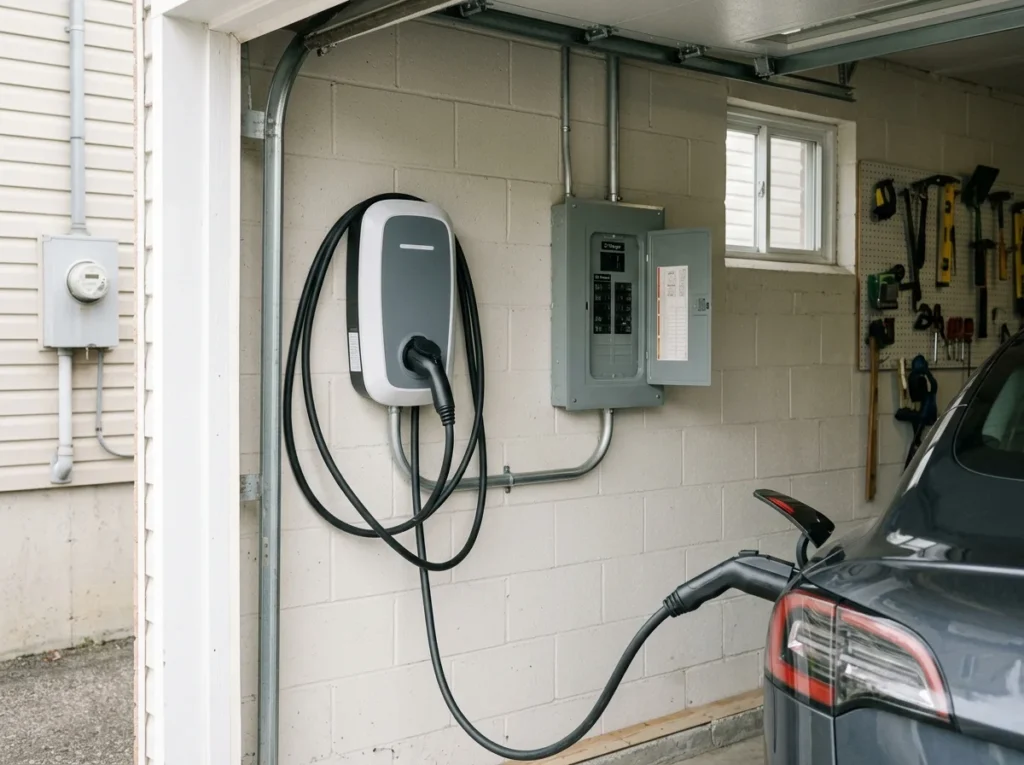
Will an EV Charger Need Its Own Circuit?
Yes, and for good reason. An EV charger specialized circuit is standard for Level 2 equipment because the circuit has to be built around the charger’s sustained draw, with breaker protection sized to match. Proper EV charging circuit installation treats the charger as its own separate piece of the system, not an add-on to an existing outlet or circuit already doing other work.
How Charger Amperage Affects the Circuit
The charger’s amperage rating shapes nearly every decision after it. A higher-amperage charger needs a higher-rated breaker and thicker wiring to carry that current safely. A lower-amperage unit places less demand on the circuit and allows more flexibility in how the installation gets designed.
Why the Charger Manufacturer’s Requirements Matter
Two chargers both labeled “Level 2” can still carry different voltage and current ratings depending on the brand. That’s why the specific model matters more than its general category. Before finalizing the work, the electrician needs to confirm the charger’s voltage, its maximum charging current, the circuit it requires, and any manufacturer-specific installation instructions.
How Electricians Determine If Your Panel Can Handle an EV Charger
With the charger’s needs established, the process turns to evaluating the home itself. Here’s how that typically plays out, from reviewing the existing system to finalizing the new circuit.
Review the Existing Panel and Electrical Service
The first step is looking at the current service, the panel’s configuration, and how much usable breaker space exists. This isn’t the moment to re-explain what 100-amp or 200-amp service means in general terms; it’s a focused look at the particular setup the charger will join.
Evaluate Existing and Planned Electrical Loads
Next comes a look at household demand and how the proposed charger load fits alongside it, factoring in other major appliances that could run during a typical charging window. A load calculation often supports this step, helping confirm whether the system can absorb the added demand safely.
Check the Proposed Circuit and Wiring
Finally, the planned circuit itself gets reviewed, including breaker sizing and wiring, all tied back to the specific charger rather than a generic Level 2 assumption. Before installation, an electrician confirms the existing equipment, the charger’s specifications, and whether any system changes are needed first.
What If Your Electrical Panel Cannot Easily Support the EV Charger?
Discovering the panel doesn’t have obvious room for a charger doesn’t automatically mean electrical panel replacement is the answer. There are usually a few steps to consider first, depending on the equipment and how the household drives and charges.
Adjusting the EV Charging Level
Some chargers let you set the charging current below the maximum rating, which lowers the electrical demand without touching the panel or wiring. A lower rate isn’t a sacrifice for every driver; many people charge overnight and don’t need the fastest setting to have a full battery by morning. Not every charger offers this adjustment, so it comes down to the specific equipment.
Using Load Management or Smart EV Charging
Load management systems coordinate EV charging with other household demand, easing off the charger’s draw automatically when other major appliances kick on. This can help a home avoid overloading its system without requiring a larger service. Whether it’s a good fit depends on the charger and the home’s existing setup, and it isn’t a substitute for a genuine capacity shortfall.
What Should You Consider Before Installing an EV Charger in Indianapolis?
Bringing these pieces together, here’s what’s worth reviewing before scheduling an EV charger installation. Each point ties back to the charger’s own requirements and the condition of the home’s existing system.
- The type of charger and its charging level
- The charger’s voltage and amperage
- Existing major electrical loads in the home
- Whether a dedicated circuit can be added
- How much usable capacity actually remains
- The current condition of the panel and wiring
- Local installation and permitting requirements
A residential electrician will walk through these points before recommending an approach. Permit requirements shift over time, so confirming current details with a licensed electrician is worth doing rather than relying on assumptions.
How to Avoid Problems After EV Charger Installation
A properly installed charger can still run into issues later if a few basic habits get ignored. Skip temporary or makeshift wiring for what’s meant to be a permanent setup. If a breaker trips during charging, find out why instead of resetting it repeatedly. Watch for unusual heat or odors near the charger or panel, and consider electrical panel maintenance if the system is showing repeated warning signs. And if another major appliance gets added to the home down the road, it’s worth checking whether the system can still support everything together, since a working charger today doesn’t guarantee room for whatever comes next.
Frequently Asked Questions
Can I charge an EV with a 100-amp electrical panel?
Sometimes, but the rating alone doesn’t answer it. What matters is how many of those 100-amp appliances already use and how the charger’s specific load fits into what’s left.
Can a 200-amp panel handle an EV charger?
Usually there’s more room to work with, but it’s not automatic. A 200-amp home running several large appliances can still hit capacity questions once a charger enters the picture.
Does an EV charger require a dedicated circuit?
Generally, yes. It gives the charger protected access to the power it needs without competing with another device on the same circuit.
How much electrical capacity does an EV charger need?
It depends on the charging level and the specific equipment. Voltage and amperage vary by model, so there’s no single number that applies everywhere.
Can I run an EV charger and electric dryer at the same time?
That depends on the home’s overall capacity and system design. Some homes manage it fine; others may need load management to run both comfortably.
How much does an EV charger panel upgrade cost in Indianapolis?
It costs $1,800 to $3,500, but the actual cost depends on what the existing system needs, including the scope of panel work and the charger involved. A direct assessment gives a far more accurate picture than a general estimate.
Get Your Indianapolis Home Ready for EV Charging
A panel’s ability to deal with an EV charger comes down to more than its amp rating. It relies on how much capacity your current appliances already utilize, what the specific charger needs, and whether those two things can work together without overloading the system.
Rinder Electric works with Indianapolis homeowners on exactly this kind of evaluation before installing an EV charger, looking at the full electrical picture rather than the charger alone. Our electricians assess capacity, install EV charging circuits matched to the specific equipment, and handle panel upgrades when a home’s system genuinely calls for one.
If you’re in the Indianapolis area and thinking about a home charger, we’re glad to look at your panel and existing loads before you commit to an installation plan. Reach us at (317) 701-1713 to get started.