A dedicated electrical circuit provides power to a single appliance or piece of equipment, keeping its electrical demand separate from other household loads. This arrangement can be useful when equipment has a substantial electrical demand or when its manufacturer specifies an individual circuit.
For homeowners in Indianapolis and Central Indiana, the question often comes up during an appliance replacement, kitchen remodel, EV charger installation, or when a breaker starts tripping repeatedly. The size of an appliance alone does not determine whether it needs a dedicated circuit. The appropriate setup depends on the equipment, electrical load, existing circuit capacity, panel capacity, installation conditions, manufacturer instructions, and applicable electrical requirements.
Homeowners dealing with repeated electrical issues may also benefit from a professional home electrical inspection in Indianapolis to understand their system’s current capacity. Homeowners dealing with repeated electrical issues may also benefit from a professional home electrical inspection to understand their system’s current capacity.
What Does a Dedicated Electrical Circuit Mean?
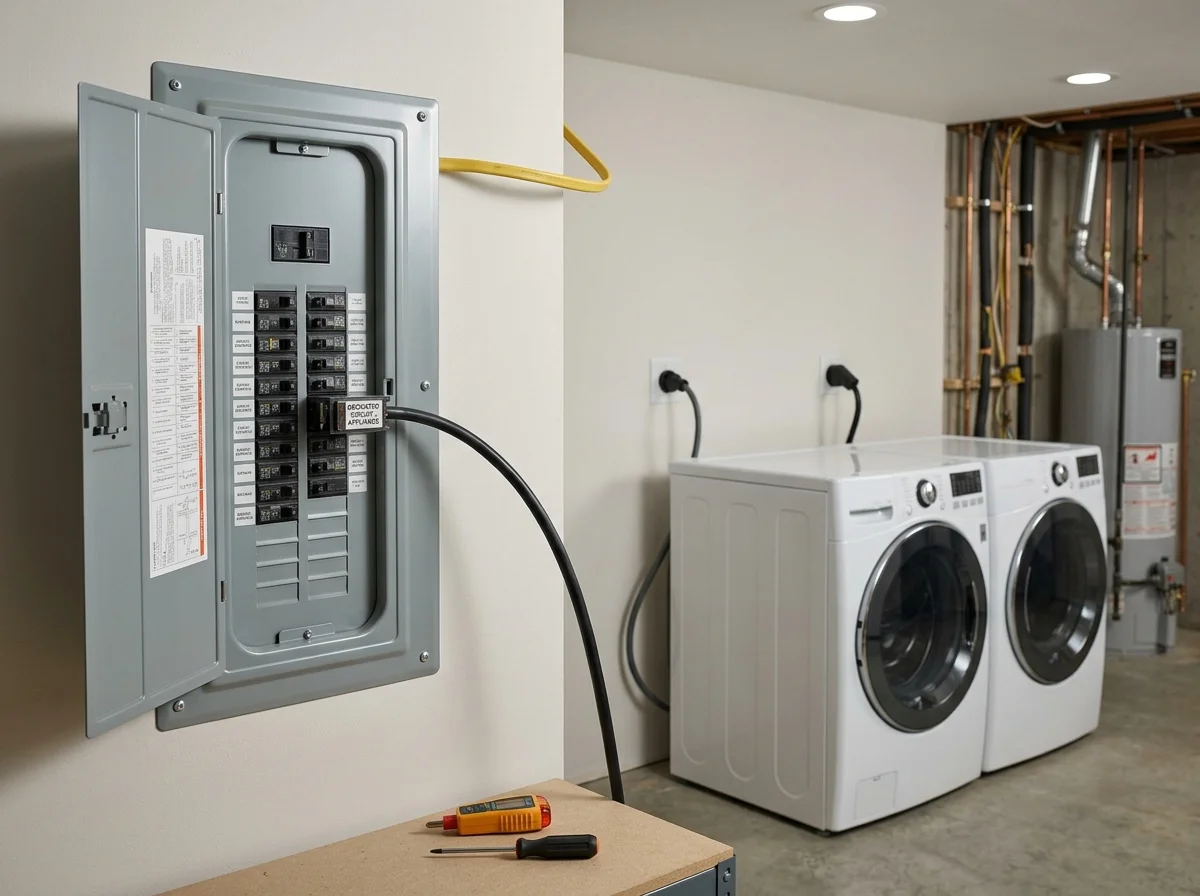
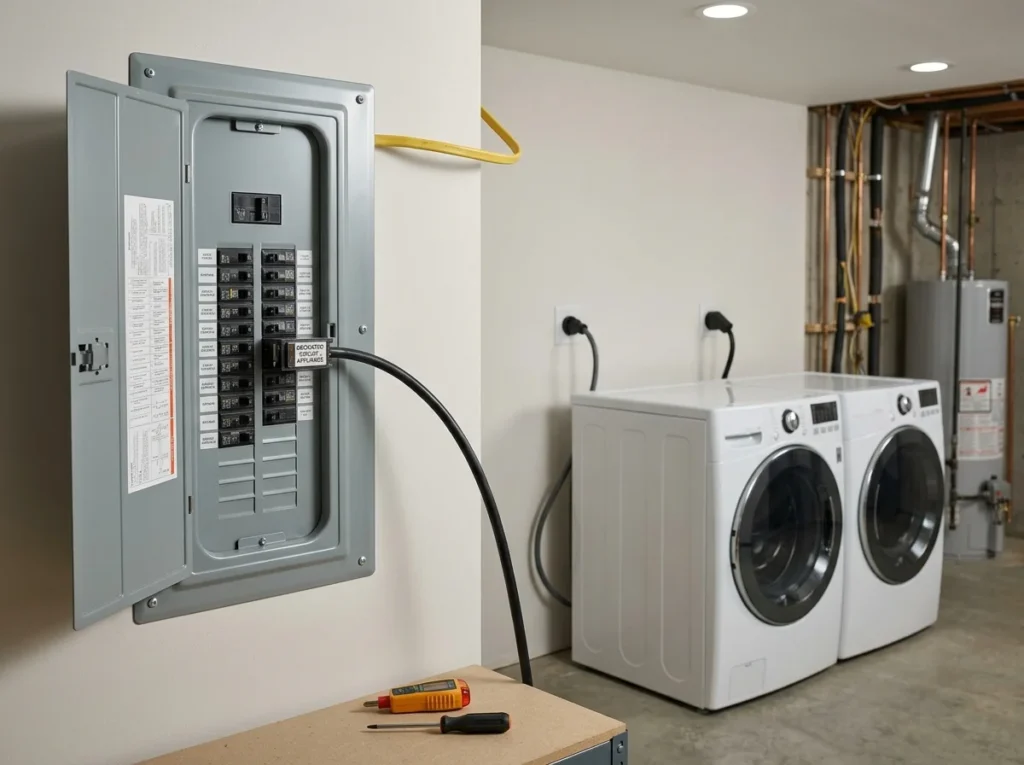
A dedicated electrical circuit is a branch circuit intended to serve one particular appliance or piece of equipment. From the electrical panel to the equipment, the circuit uses its own wiring and circuit protection. The components are selected according to the electrical requirements of the load being supplied.
When outlets, lights, or appliances share a circuit, their combined electrical demand comes from the same circuit capacity. A dedicated circuit removes one specific load from that arrangement and serves it separately. This may be necessary when the equipment has requirements that make a shared general-purpose circuit unsuitable.
For example, several ordinary receptacles in a bedroom may share a circuit for lamps, chargers, and other smaller loads. A higher-demand appliance may instead be supplied by an individual circuit designed for that equipment.
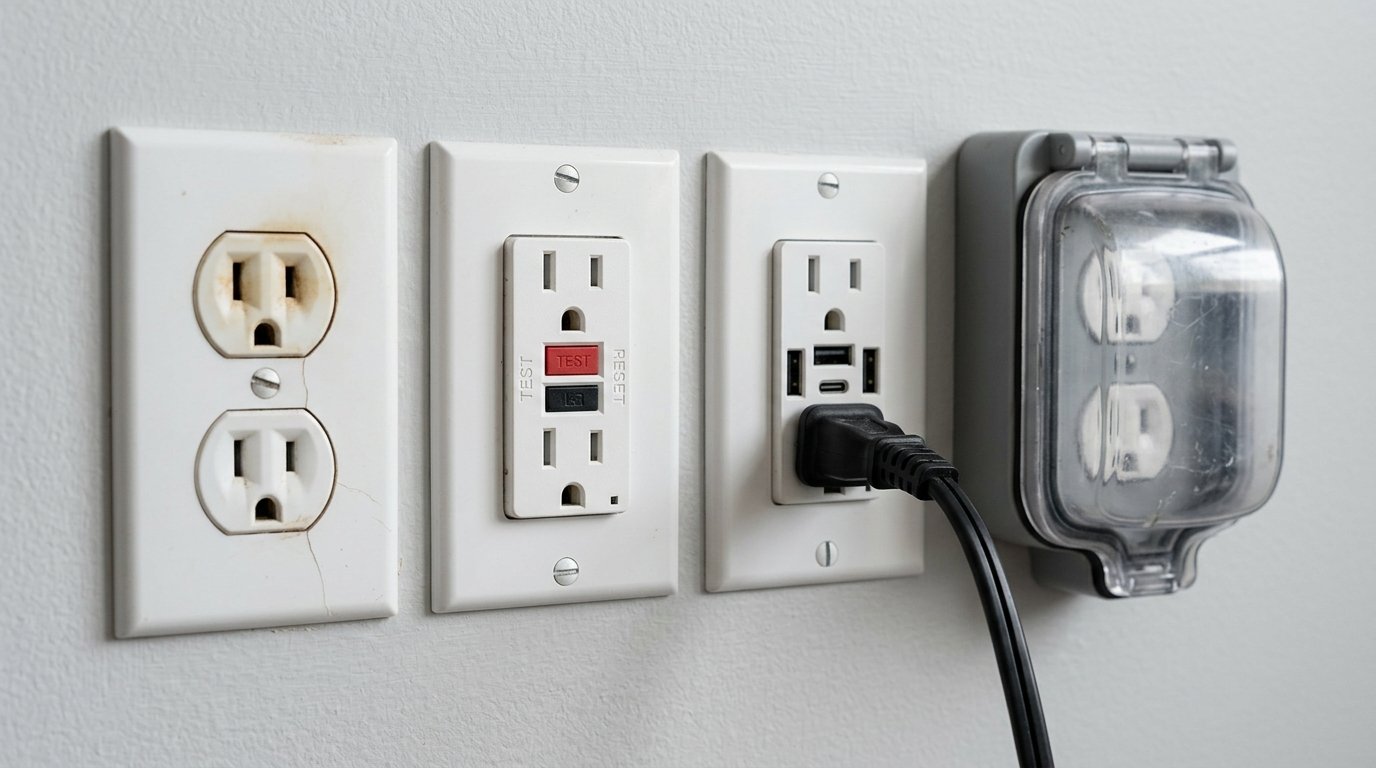
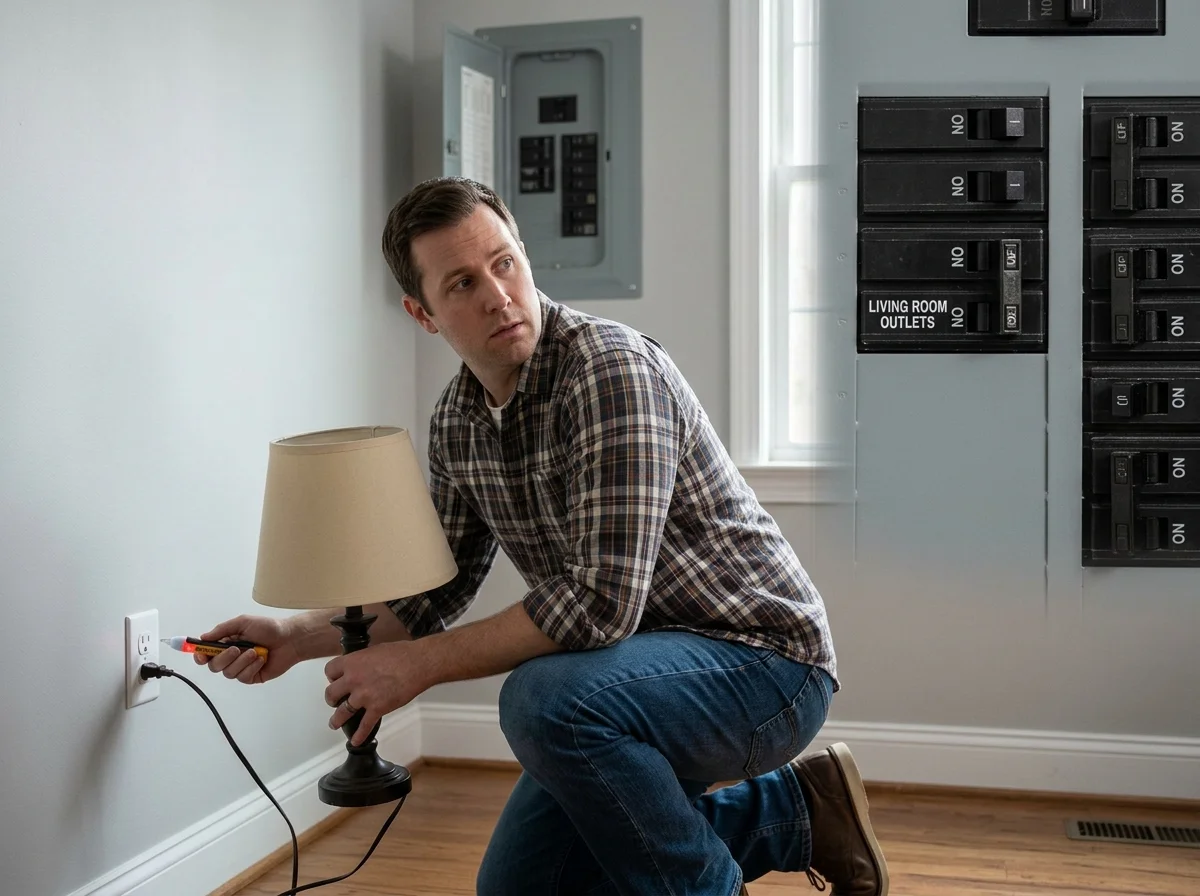
| Pro Tip: A separate-looking outlet does not automatically mean it has a dedicated circuit. The circuit includes the receptacle, its wiring, and the breaker that protects it. An electrician can trace the wiring to confirm how an existing outlet receives power. |
Why Certain Appliances Require a Dedicated Circuit
The main issue is electrical load. The amount of electrical load a branch circuit can support is limited by its design, so connected devices use the same available capacity. High-demand equipment can use much more electricity than ordinary household devices, especially when heating elements, motors, or compressors are operating.
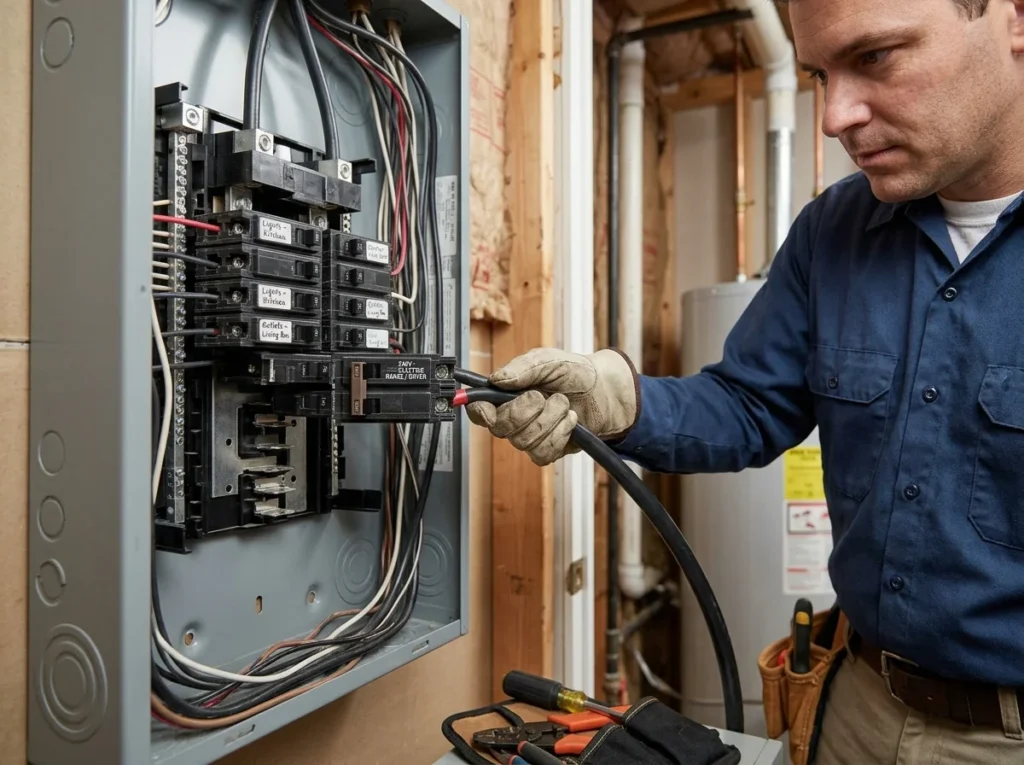
Instead of operating alongside other loads on the same circuit, the equipment is supplied by a circuit assigned specifically to it. Whether one is needed depends on:
- The equipment’s electrical rating and manufacturer instructions
- Existing circuit capacity and connected loads
- Electrical wiring and panel capacity
- Applicable requirements for the installation
For example, adding a high-demand appliance to an already busy circuit may require a separate circuit. A licensed residential electrician in Indianapolis can evaluate the existing setup and determine the appropriate arrangement.
Home Appliances That May Require a Dedicated Circuit
Several types of household equipment are commonly supplied by individual circuits because of their electrical requirements. That does not mean every model in a particular category has identical requirements. The actual equipment specifications and installation instructions should be checked before work begins.
| Appliance or Equipment | Why an Individual Circuit May Be Used |
| Electric range or cooktop | Heating elements can create substantial electrical demand |
| Electric dryer | The heating system can place a significant load on the circuit |
| Electric water heater | Heating elements can require considerable electrical capacity |
| Central air-conditioning equipment | Compressors and related components can create significant demand |
| Heat pump equipment | Requirements depend on equipment and installation details |
| Dishwasher | An individual circuit may be appropriate depending on the installation |
| Garbage disposal | Circuit arrangement depends on the equipment and installation conditions |
| Microwave | Some installations use an individual circuit based on equipment specifications |
| EV charger | Charging equipment requires a circuit designed for its electrical requirements |
This table is a general guide, not a universal list of circuit requirements. Two appliances in the same category can have different electrical ratings. The manufacturer’s instructions and the home’s existing electrical system should be reviewed before assuming a dedicated circuit is required.
When Should a Home Have a Dedicated Circuit?
A dedicated circuit may be necessary when new equipment cannot properly share power with existing loads. This often comes up during remodeling, appliance replacement, garage improvements, or other projects that introduce additional electrical demand.
Adding New Equipment
Replacing an appliance may alter the circuit’s electrical requirements. The existing wiring may have been suitable for the old equipment but may not be appropriate for the replacement.
Installing another receptacle does not increase the capacity of the circuit supplying it. If the current circuit cannot handle the new equipment, installing another circuit may be necessary.
Planning a Home Improvement Project
Renovation projects and new installations may include dedicated circuits as part of the electrical design. EV chargers are a common example because the equipment has particular power requirements. Other equipment may have similar needs based on its design and electrical rating.
| Important Note: A dedicated circuit should be selected based on the actual electrical requirements of the equipment and the existing system. Installing one simply because an appliance is large can result in unnecessary electrical work. |
Signs That a Home Electrical Circuit May Be Overloaded
Homeowners may notice problems before an electrical circuit fails completely. Repeated breaker trips are one of the clearest warning signs, especially when the same appliance seems to trigger the interruption.
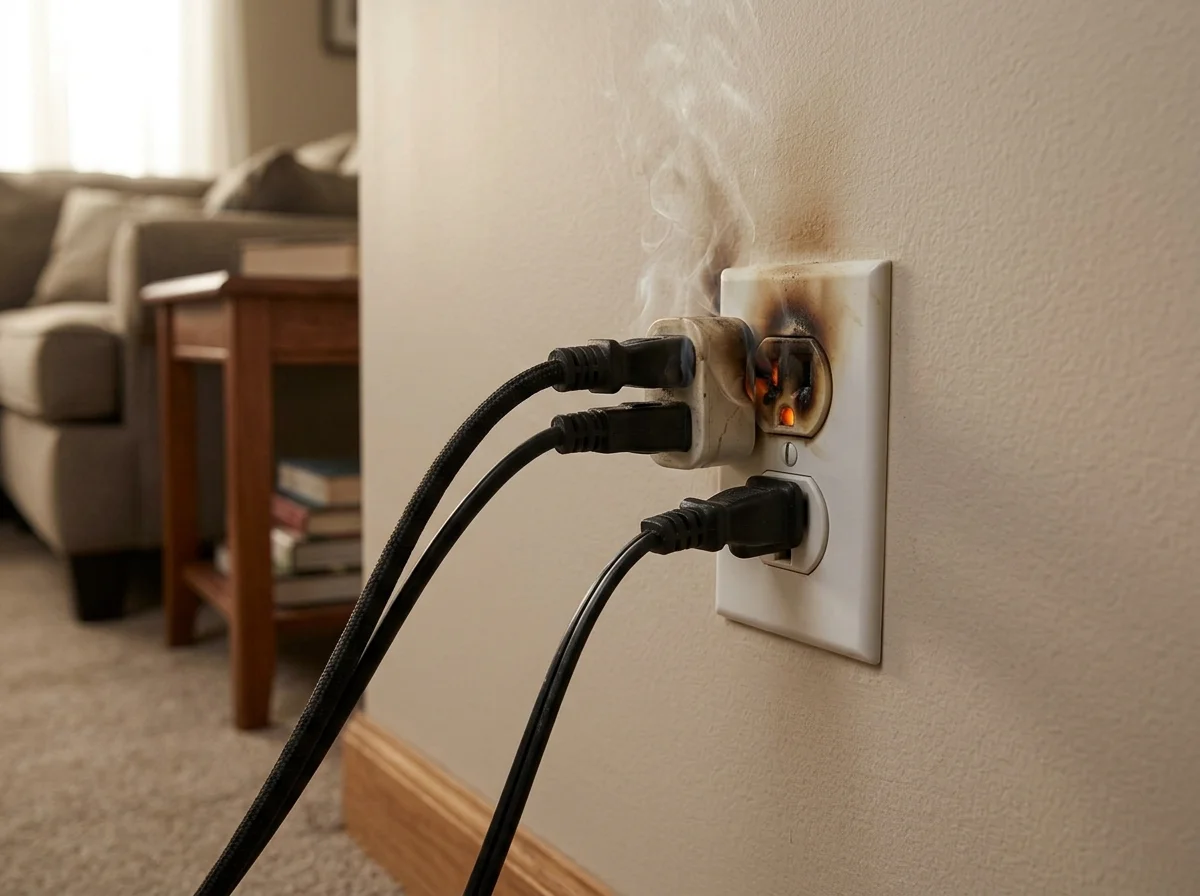
Other signs can include power interruptions, noticeable flickering or dimming when equipment starts, unusual warmth around an outlet or switch, discoloration, or a burning electrical smell. These symptoms can point to an electrical problem and should not be treated as normal behavior.
A Tripping Breaker Has More Than One Possible Cause
A breaker can trip because of excessive load, an electrical fault, a problem with connected equipment, or another issue within the circuit. A breaker that trips does not always mean the appliance needs its own circuit.
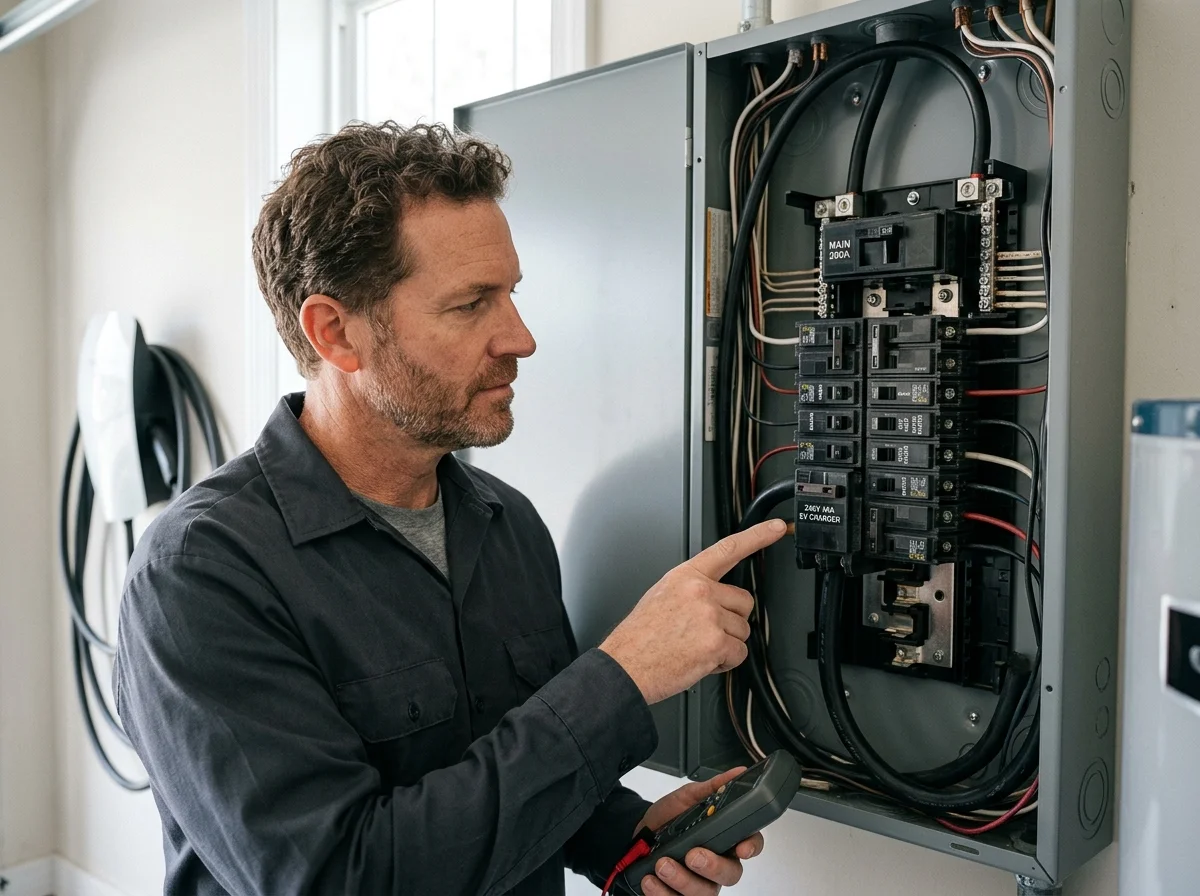
Repeatedly resetting the breaker without identifying the cause does not resolve the underlying problem. An electrician can evaluate the wiring, circuit, equipment, and electrical panel to identify the problem and determine if the existing capacity is sufficient.
If an outlet or switch is unusually hot, discolored, damaged, or producing a burning odor, avoid continued use and arrange for the electrical system to be evaluated.
Can You Add a Dedicated Circuit to an Existing Electrical Panel?
In many homes, a new dedicated circuit can be added to an existing panel. The panel and the electrical system still need to be evaluated first to determine whether the proposed addition is appropriate.
Panel Capacity Matters
An unused breaker position does not automatically mean the panel has enough capacity for another significant load. The panel rating, existing electrical demand, available spaces, and requirements of the new equipment all affect the installation.
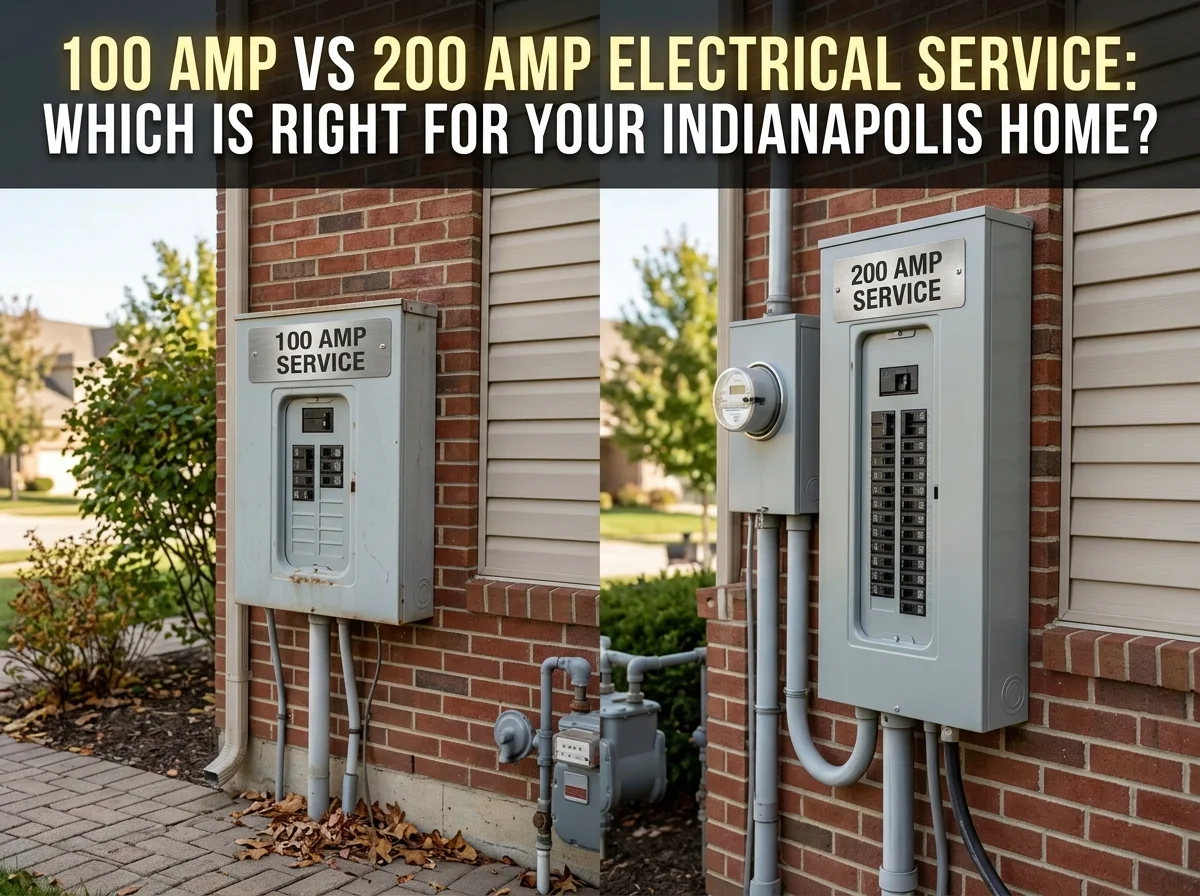
If the existing panel cannot accommodate the planned electrical demand appropriately, additional work may be necessary. Depending on the circumstances, that could involve modifications to the electrical system or a panel upgrade. A panel replacement should not be assumed without an evaluation.
Wiring Access Can Affect the Installation
The distance between the panel and the equipment is another consideration. New wiring may need to pass through finished walls, an attic, a basement, a garage, a crawlspace, or across homes built on a concrete slab foundation. The accessibility of that route can affect the work involved. The circuit also needs the appropriate wiring, protection, and connection method for the equipment. Depending on the appliance, the connection may use a receptacle or another approved method specified for that installation.
For homeowners planning a dedicated circuit installation in Indianapolis, evaluating these details beforehand helps determine what the existing system can support and what type of electrical work is appropriate.
FAQ
What does a dedicated circuit mean?
A dedicated circuit is set up to provide electrical power to a single appliance or equipment load. Its electrical components are selected according to the requirements of that particular load rather than being shared with unrelated household equipment.
How does a dedicated electrical circuit work?
Power travels from the breaker along the circuit wiring before reaching the connected equipment. Because the circuit is intended for one particular load, its capacity and protective components can be selected according to that equipment’s electrical requirements.
What Situations Call for a Dedicated Circuit at Home?
Certain equipment may need its own circuit when its electrical demands cannot be properly supported by an existing shared circuit. The equipment specifications, electrical load, and applicable requirements all need to be considered.
Why do some appliances need dedicated circuits?
Some appliances place a substantial electrical demand on a branch circuit. Giving that equipment an individual circuit prevents it from sharing the same available capacity with unrelated loads and allows the electrical installation to be designed around the equipment’s requirements.
Do EV Chargers Usually Need Their Own Circuit?
EV charging equipment generally requires an individual circuit designed around the charger’s electrical specifications. The appropriate arrangement depends on the charger, its electrical rating, installation conditions, and applicable electrical requirements.
What Are Common Signs of Too Much Electrical Load?
Repeated breaker trips, power interruptions, or noticeable flickering can indicate an electrical problem. These symptoms do not prove an overload is the cause. The circuit and connected equipment should be evaluated before deciding on a repair or new circuit.
How Much Does Dedicated Circuit Installation Cost?
A dedicated circuit in the Central Indiana area typically costs about $350 to $1,000 to install, with average projects landing around $650 to $750 for labor and materials. Higher-capacity 240V installations (such as EV chargers or subpanels) or long wiring runs can increase costs to $1,200 or more.
The final price depends on factors such as the distance between the electrical panel and the appliance, wiring accessibility, circuit amperage (120V vs. 240V), existing panel capacity, and whether a panel upgrade or subpanel is required.
Final Thoughts
A dedicated circuit is more than simply adding another outlet for an appliance. It is a branch circuit planned for the electrical demands of particular equipment and the amount of capacity available in the home’s electrical system.
Rinder Electric can also help with related services such as electrical panel replacement in Indianapolis when the existing system cannot support new electrical demands. That assessment can show whether the equipment can use an existing circuit or if a separate circuit would be more appropriate.
Rinder Electric provides circuit wiring for residential electrical needs. For homeowners in Indianapolis and Central Indiana, having the existing electrical setup evaluated can help identify the appropriate circuit solution for new equipment or changing household electrical demands.