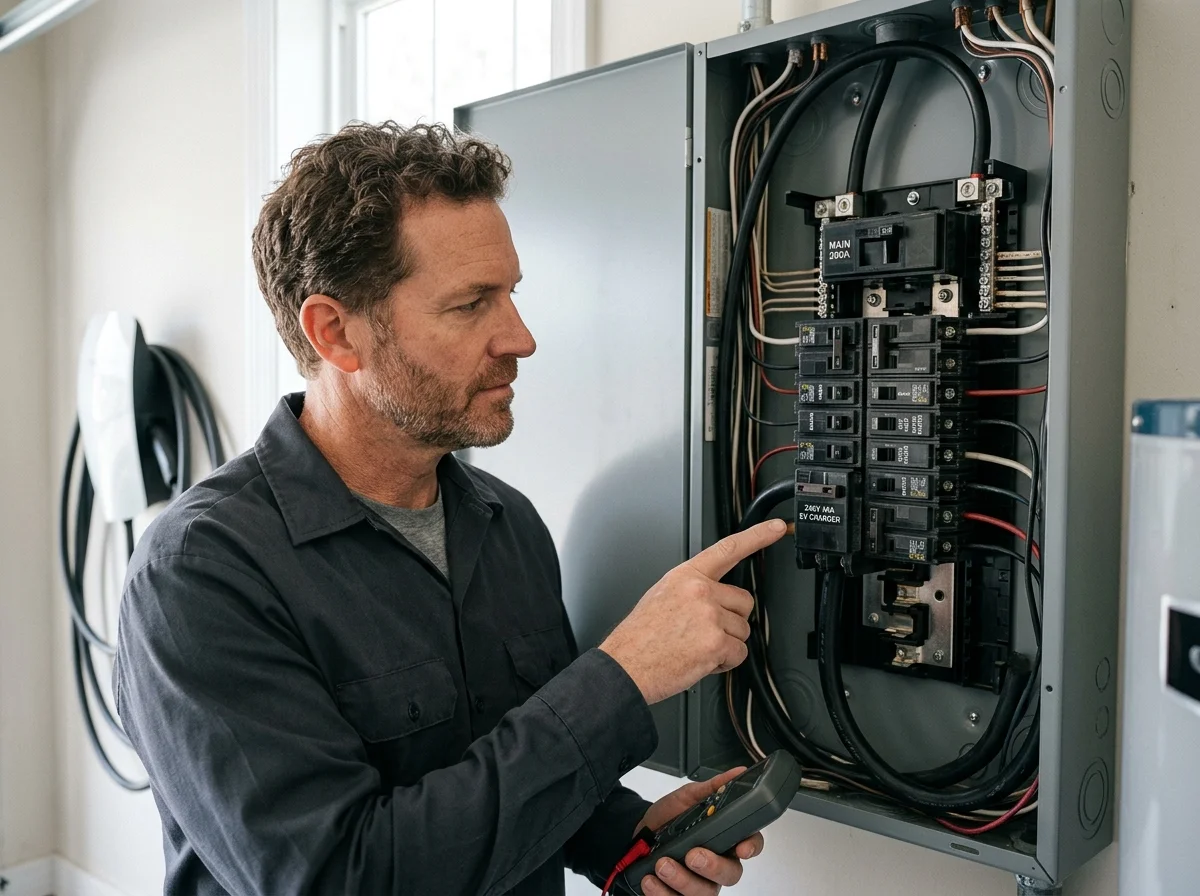
A homeowner in an older Indianapolis neighborhood calls an electrician because the lights dim every time the air conditioner cycles on. The panel is original to the house, installed sometime in the 1970s, and rated for 100 amps. The question that follows is almost always the same one: does this house need 200-amp service, or is something else going on? No universal solution exists for every home.
The right size depends on what the house actually draws, not just the age of the panel or the number written on its door. This article breaks down what separates 100 amp and 200 amp service, what actually determines whether an upgrade makes sense, and what the process looks like for homes in the Indianapolis area.
100 Amp vs 200 Amp: What’s the Practical Difference?
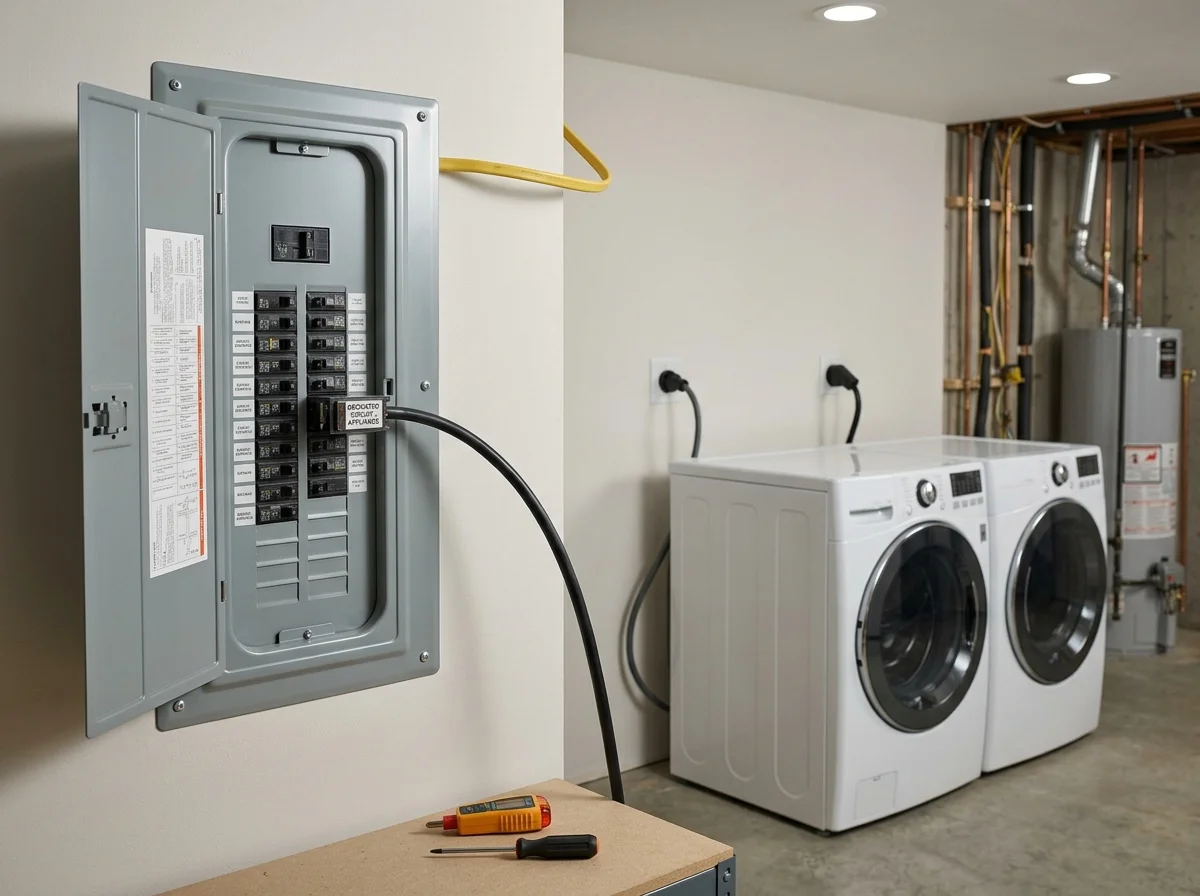
Electrical service capacity describes the maximum amount of current a home is allowed to draw from the utility connection at one time, measured in amps. A 100-amp panel is rated to carry up to 100 amps safely. A 200-amp panel carries up to 200 amps. That current passes through a main breaker before it splits into the branch circuits that reach every outlet, light fixture, and hardwired appliance in the house.
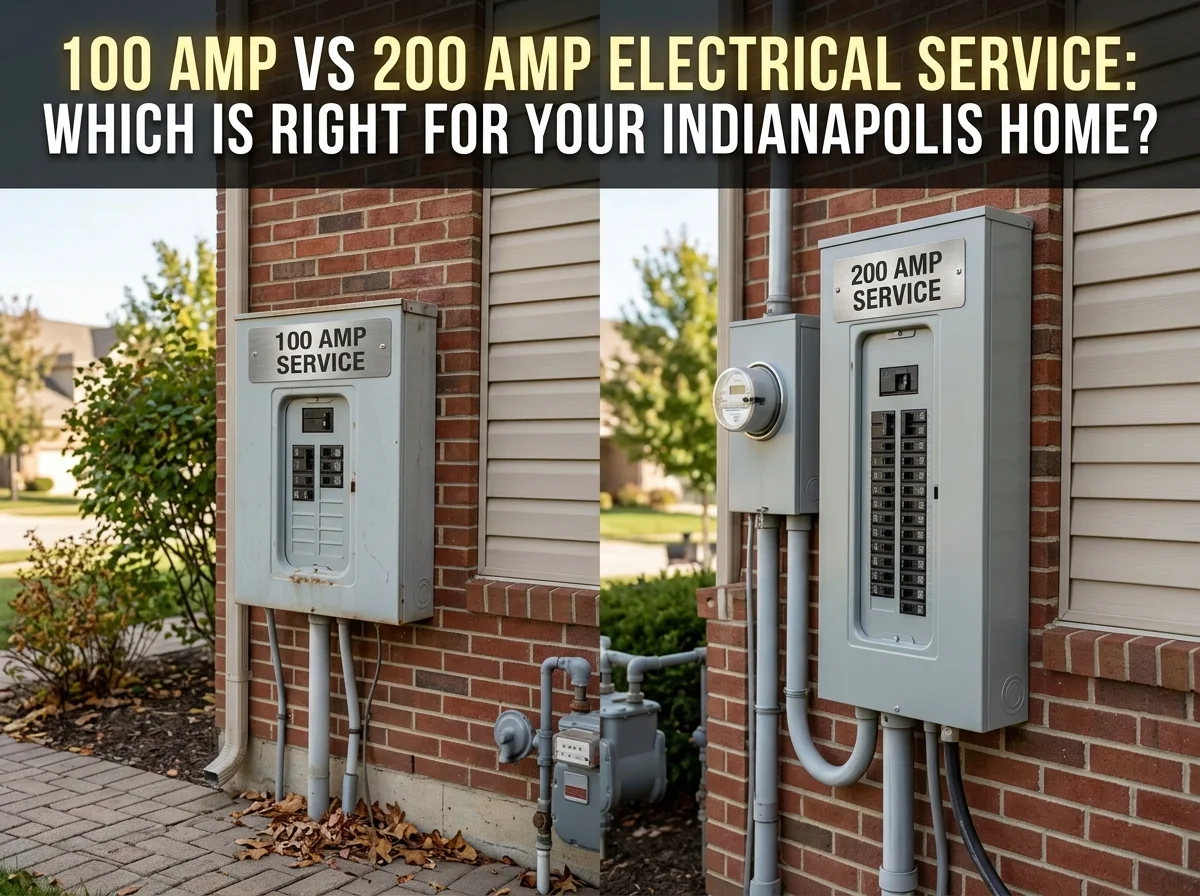
Key Differences Between 100 Amp and 200 Amp Service
In practical terms, 100-amp service gives a home less total capacity to draw on, while 200-amp service leaves more room for several high-demand loads to run at the same time without approaching the system’s limit. Neither one is automatically the better choice. A home with modest electrical needs can use 100 amps efficiently for decades, while a home with heavier or more frequent electrical demand can hit the edge of that same capacity much sooner.
The rating on the panel is only part of the story, too. The wiring between the utility connection and the meter, the condition of the meter equipment, and the grounding and bonding of the whole system all affect how much of that rated capacity a home can actually use. A newer-looking panel connected to old service wiring doesn’t necessarily give a home the full benefit of its rated number.
What Actually Determines the Right Service Size
What actually decides which service size fits a given home is the calculated demand, meaning what the house draws today and what it’s realistically expected to draw based on planned additions, not the age of the panel or which rating sounds more current.
| What to compare | 100 amp service | 200 amp service |
| Rated current capacity | Up to 100 amps | Up to 200 amps |
| Common in homes built | Mid-century construction, unless already upgraded | New construction and homes that have been upgraded within the last few decades |
| Room for added circuits | Often limited, depends on existing load | Generally more available slots for new circuits |
| Suitability for electric heat or an electric range | Depends on the home’s total calculated load | Usually sized with these loads already accounted for |
Sizing a Panel Correctly Means Calculating Load, Not Counting Appliances
Electricians don’t decide whether a home needs more capacity by walking through the house and tallying up appliances. They run a load calculation—a formal process that accounts for:
- Square footage
- HVAC equipment
- The water heater
- The range
- The dryer
- Planned additions like an EV charger
Because a home rarely runs every circuit at full draw simultaneously, the calculation applies demand factors that reflect realistic usage patterns rather than worst-case totals.
That number, not the panel’s age or the homeowner’s impression of how “full” it looks, is what actually determines whether the existing service has room to spare. Two houses built the same year, on the same street, can come out with very different results depending on what’s plugged into them.
If you’re planning a renovation or an EV charger purchase in the next couple of years, it’s worth mentioning during the inspection. Folding that future load into today’s calculation can save a homeowner from paying for a second evaluation once those plans become real.
When 100 Amp Service May Still Be Enough
Plenty of homes in the Indianapolis area run on 100-amp service without any trouble, and there’s no reason to assume an upgrade is automatically needed just because a house has an older panel. Smaller and moderately sized homes tend to fit comfortably within 100-amp capacity, especially when the mechanical systems aren’t relying heavily on electricity in the first place.
Gas heating, a gas range, and a gas water heater all keep a home’s electrical load relatively low, since the heaviest energy demand is being handled outside the electrical system entirely. A house built around those systems, with no EV charger and no major electrical additions on the horizon, often has plenty of room within its existing 100-amp service. The same goes for homes without a lot of high-demand equipment like hot tubs, workshops, or large secondary units.
The real test isn’t the panel’s age or its rated capacity on paper. It’s what a load calculation actually shows once someone accounts for the home’s real equipment and habits. If that calculation comes back with room to spare, 100 amps can remain a perfectly reasonable choice for years.
That said, a few signs are worth paying attention to even in a home that otherwise fits this description:
- Repeated breaker trips
- No open slots in the panel
- Visible corrosion near the breakers
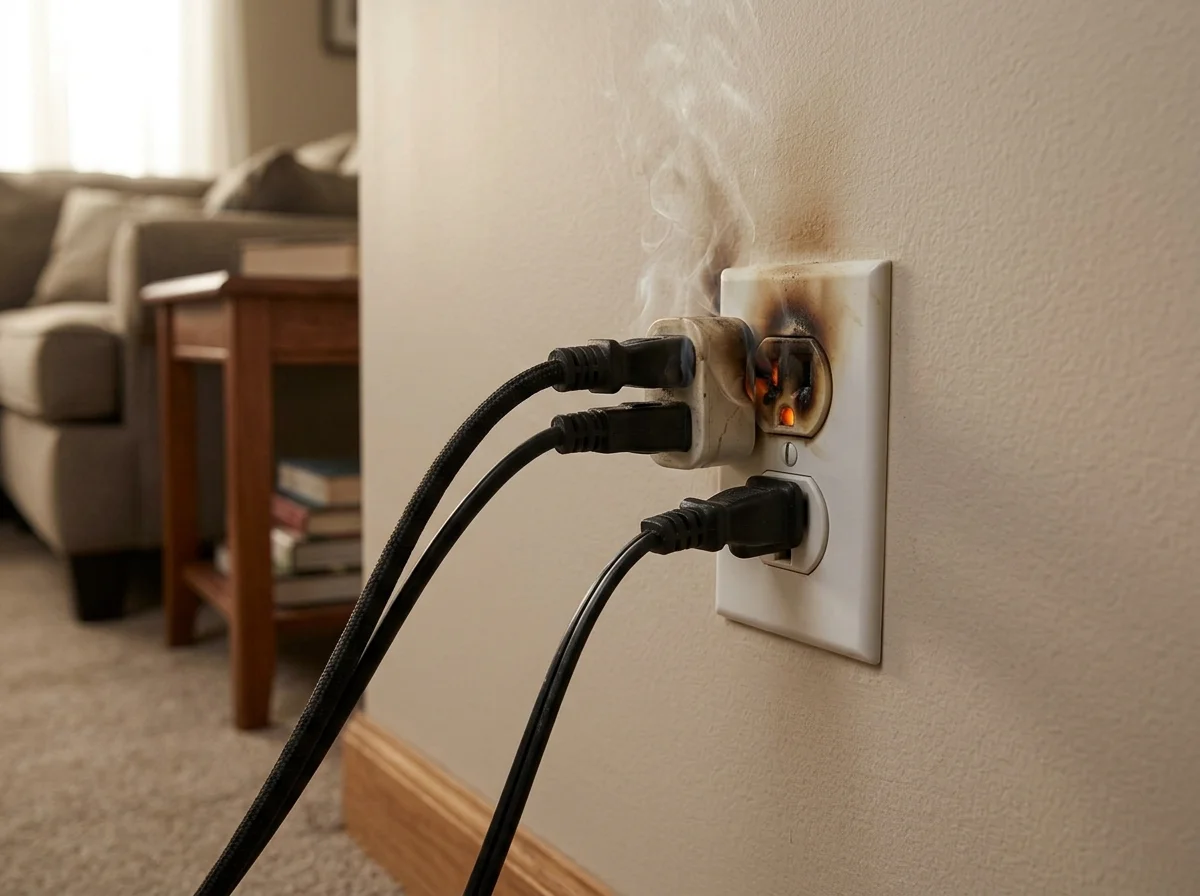
- Heat damage near the breakers
These issues don’t automatically mean 200-amp service is required, but they’re not something to set aside either, since they can signal a problem separate from overall service size and should be looked at by a licensed electrician experienced in electrical repairs.
When 200 Amp Service Makes More Sense
Certain situations tend to push a home’s electrical demand closer to what 100 amps can comfortably support, and that’s worth recognizing before assuming an upgrade is automatically necessary.
High-Demand Electrical Equipment
Adding a Level 2 EV charger is one of the more common triggers, along with electric heating, an electric range paired with an electric dryer, or a home running multiple large HVAC loads at once. Other high-demand equipment like hot tubs or workshops can add up the same way.
None of these situations automatically require 200-amp service on their own. What they do is signal that it’s worth running a load calculation to see where the home actually stands. Two houses with the same appliances can come out differently depending on the rest of their electrical setup, which is why the calculation matters more than any single item on this list.
Major Home Improvements
Major additions and finished basements can add up the same way. When that calculation shows the existing 100-amp service doesn’t have enough room left for what the home is running or planning to add, an upgrade becomes the practical next step rather than a precaution taken just in case. If the panel itself is aging, damaged, or showing warning signs, the situation may call for electrical panel replacement in Indianapolis rather than simply increasing the service capacity.
A documented panel upgrade is often viewed favorably during a home sale, though its actual effect varies by market. It’s also worth being clear about what a 200-amp upgrade doesn’t do. It adds capacity, but it doesn’t repair damaged wiring or missing grounding. Those issues need their own diagnosis, regardless of the home’s overall service size.
What a Panel Upgrade Costs in Indianapolis
Pricing for a 100-amp to 200-amp upgrade in the Indianapolis area commonly falls between $2,500 and $4,500. Where a specific project lands within that range depends on several project-specific factors:
- The condition of the existing service wiring
- Whether the meter needs to be relocated
- Whether the full service entrance requires replacement in addition to the panel
- Permit and inspection fees through the local jurisdiction
- How accessible the panel’s location is for the crew doing the work
Because these variables differ from house to house, a firm quote should come after an inspection, not before one. A number given without seeing the actual panel and wiring is, at best, a rough estimate.
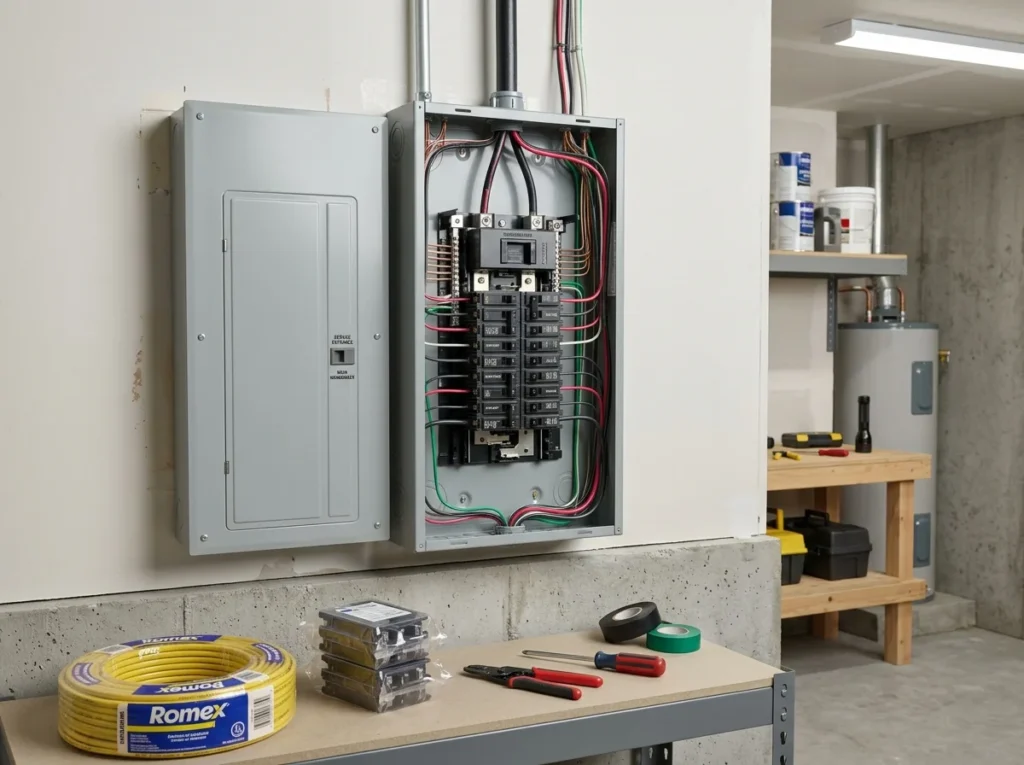
What Happens During the Upgrade Itself
The work generally follows a set sequence.
- Inspection and load calculation
An electrician first inspects the existing panel and wiring and completes the load calculation. - Permitting
Once that’s done, the required permits get filed with the city before any physical work starts. - Installation
Installation day involves replacing the main panel and meter equipment and updating the grounding and bonding, and power is typically off for part of that day while the work is underway. - Final inspection and utility reconnection
A local inspector then reviews the completed work before the utility reconnects service.
Older homes in the area sometimes need repairs to the weatherhead or service mast before the utility will approve reconnection. Catching that during the initial inspection, rather than discovering it mid-project, keeps the timeline from slipping unexpectedly.
Frequently Asked Questions
What is the practical difference between 100 amp and 200 amp electrical service?
The rating describes how much current the main panel can safely carry at once. A 200-amp panel has twice the rated capacity of a 100-amp panel, which matters most when a home is running several high-draw appliances at the same time.
Can I add an EV charger without upgrading to 200-amp service?
It depends on the charger and what else is already on the panel. A proper load calculation will show whether the existing 100-amp service has room for it or whether an upgrade makes more sense.
Will upgrading to 200 amps stop my breakers from tripping?
Not necessarily. If a specific circuit is undersized or there’s a wiring or connection issue, you need to diagnose and fix those problems separately. A larger panel adds overall capacity but doesn’t correct individual circuit problems on its own.
Does central air conditioning mean I need 200 amp service?
Not by itself. A single properly sized AC unit usually runs fine on 100-amp service. The total load from everything running at once, including the AC, is what determines whether the existing service has enough margin.
How do I know if my Indianapolis home actually needs an upgrade?
The reliable way is a load calculation performed by a licensed electrician, which accounts for your home’s actual equipment and any planned additions rather than relying on the panel’s age or its rated capacity alone.
Is every 100 amp panel in an older Indianapolis home a problem?
No. Age alone doesn’t determine whether a panel is adequate. Some older homes have already been upgraded, and others with modest electrical demand continue to run safely on their original 100-amp service.
Final Thoughts
The panel rating alone doesn’t answer whether your Indianapolis home needs an upgrade. A house with modest gas appliances and no plans for an EV charger can run on 100 amps for years without issue, while a home adding central air, an electric range, and a charger at the same time often runs out of margin fast. The only way to know for certain is a load calculation based on what your house actually draws, not its age or how full the panel looks.
If you’re seeing warning signs like recurring breaker trips or you’re planning renovations that will add new circuits, an inspection settles the question with real numbers instead of guesswork. Rinder Electric can run that load calculation for your home, walk you through what it shows, and handle the upgrade from permitting through final inspection if one turns out to be the right call. Book an appointment to discuss your home’s electrical needs.