Most people plug something into a wall outlet several times a day without wondering what kind it is. The question usually comes up when a plug keeps slipping loose or a faceplate cracks. Electrical outlets differ in design and built-in protection, and the right one depends on the room and how it’s used.
The sections below walk through the receptacles found in most homes and where each one belongs. They also cover safe daily use, the physical problems worth noticing, and when a licensed electrician should take over. Nothing here assumes electrical experience, and terms are explained as they come up.
Electrical Outlet Types Homeowners Run Into
Slots, buttons, and ports on the faceplate hint at what a receptacle does. The types below run from the most familiar kind in everyday rooms to specialty designs.
Standard Grounded and Older Two-Slot Receptacles
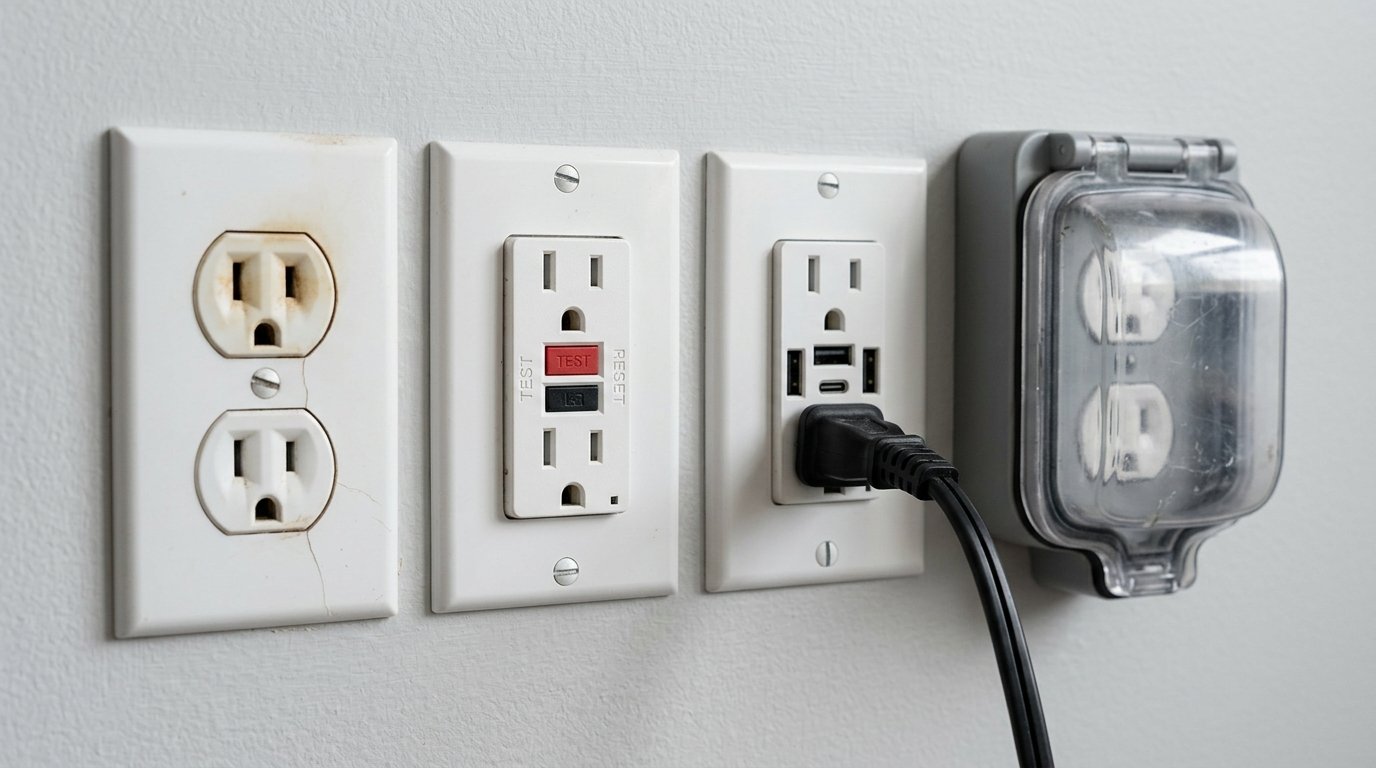
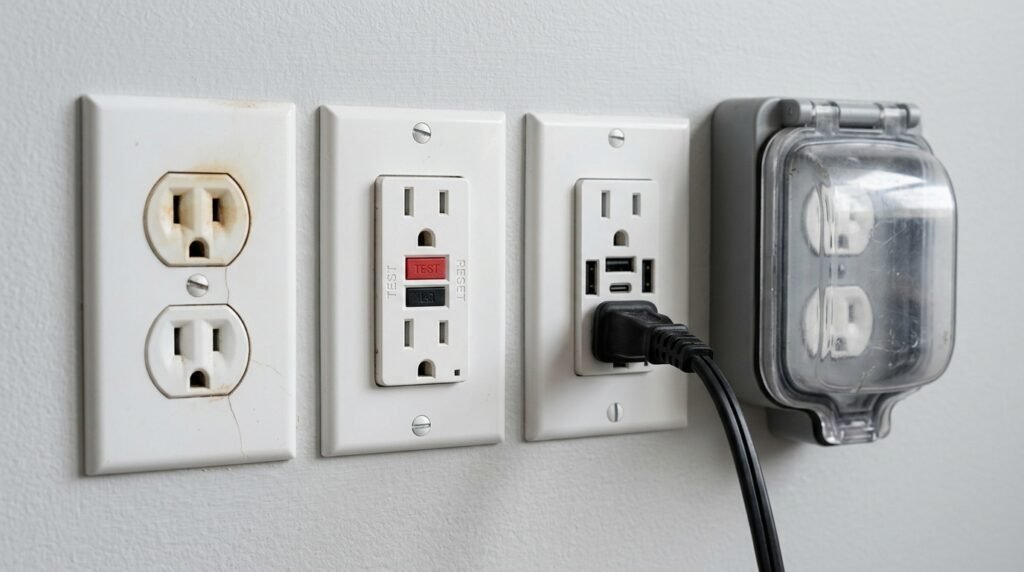
Look at a standard electrical outlet in a newer home, and you’ll notice a small round hole beneath the two vertical slots. That hole connects to the ground wire, a path that carries stray current away from you if something goes wrong inside a device. Older two-slot receptacles lack it, so a lamp may run fine while the protection is missing. The wiring behind one deserves an electrician’s look.
GFCI Receptacles
GFCI protection exists for places where moisture raises the risk around electrical equipment. The receptacle itself gives it away with its Test and Reset buttons. Pressing Test trips the outlet, and Reset restores power. Inside, it watches the electricity flowing through the circuit. If the amount leaving and returning stops matching, it shuts power off almost instantly. Where one is required depends on the installation and local code.
Tamper-Resistant and Specialty Receptacles
A tamper-resistant receptacle looks like any other outlet until something small gets pushed into a slot. Internal shutters stay closed unless both prongs enter together, so a key or hairpin goes nowhere. Homes with young children benefit most. USB receptacles serve a different purpose by adding charging ports directly to the wall, making them useful near desks and nightstands.
Weather-resistant receptacles are the outdoor version, made for exterior walls and porches. AFCI protection sits in a separate category. It watches for dangerous arcing and usually lives in the breaker rather than the wall outlet, though some homes use AFCI receptacles.
| Outlet Type | Main Purpose | Common Location |
| Standard grounded receptacle | Everyday electrical use | Living areas, bedrooms, offices |
| GFCI | Ground-fault protection | Areas exposed to moisture |
| Tamper-resistant | Added protection against object insertion | Residential areas |
| USB receptacle | Built-in device charging | Bedrooms, offices, living areas |
| Weather-resistant receptacle | Appropriate outdoor use | Exterior locations |
Matching the Outlet to the Room
The same receptacle won’t suit every room. One that’s fine in a bedroom may be the wrong choice beside a kitchen sink. Bathroom vanities and kitchen counters are the obvious wet spots, and garage outlets raise the same question. Residential electrical outlets follow safety standards that differ from room to room.
Outdoor receptacles get the roughest treatment. Heavy rain, freezing winter temperatures, ice storms, and Indiana’s humid summers wear heavily on exterior hardware. A cracked or missing weatherproof cover outside deserves a quick fix before moisture penetrates the outlet box. Bedrooms, living rooms, and home offices are less demanding. Standard grounded outlets usually handle them, with tamper-resistant versions wherever children play.
Outlet Safety in Everyday Use
Outlet safety is mostly a matter of small habits. Pull a plug out by its body, never by the cord, because yanking strains the cord. Don’t force a plug into a slot that resists. Extension cords and adapters belong in short-term roles rather than permanent arrangements. Keep cords and chargers away from water, and never plug anything in with wet hands.
A safe outlet should:
- Hold plugs firmly
- Have an intact cover
- Show no cracking or melting
- Give off no odd sounds or smells
- Suit its location
- Have required protection for that application
Common Electrical Outlet Problems and Warning Signs
Not every flaw on a wall outlet signals danger, but some signs mean you should stop using it. The three problems below show the difference.
Loose Plugs and Wobbly Receptacles
A plug that falls out unless you prop it up usually points to worn metal contacts inside the receptacle. That calls for replacing the receptacle soon. A receptacle that shifts in the wall every time a plug goes in or out is different. The wire connections behind it may be working loose, so stop using it until an electrician has inspected it.
Cracks, Scorch Marks, and Water Exposure
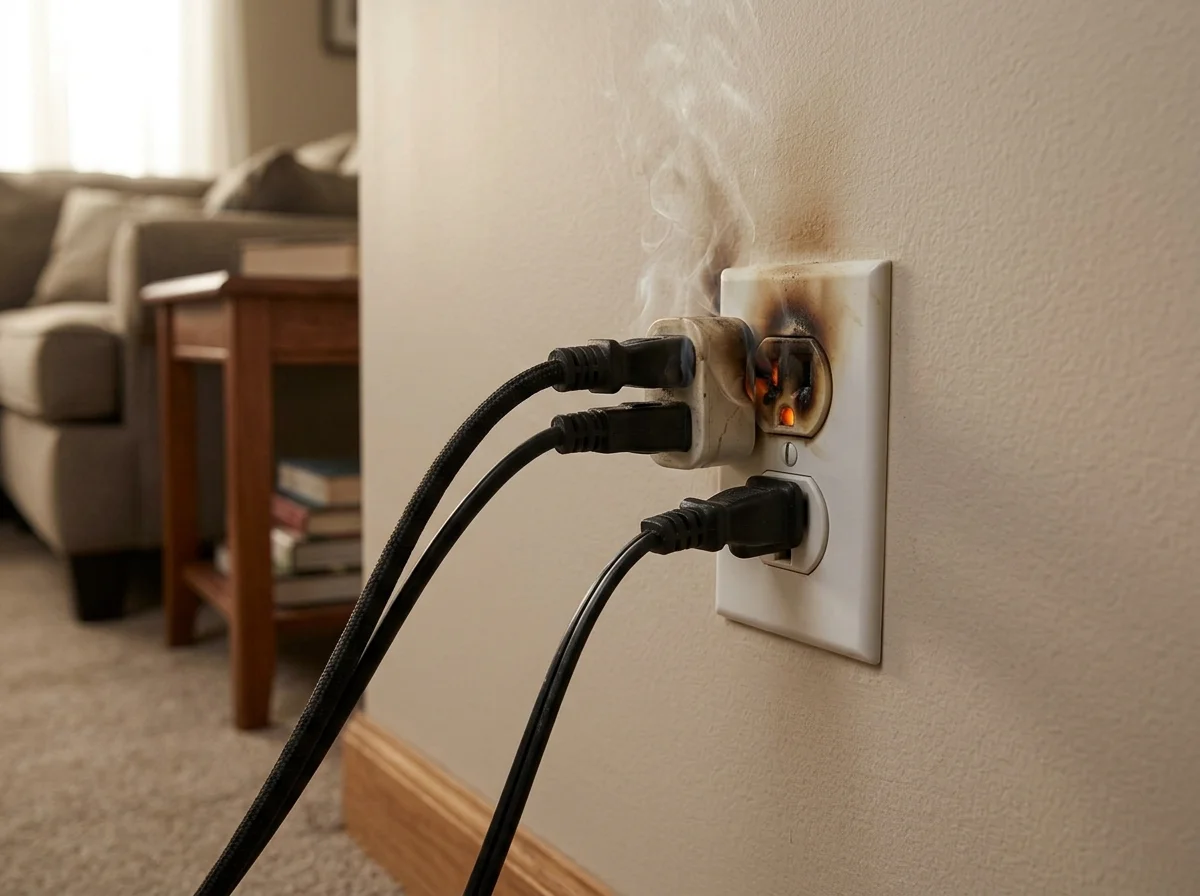
A chipped cover plate is a minor fix, and a new cover solves it. A crack in the receptacle itself is different because it exposes parts that should stay enclosed. Brown or black marks near the slots suggest heat or arcing, and melted plastic confirms it. Water exposure counts too. In those cases, stop using the outlet until an electrician has checked it and the wall around the outlet box.
Buzzing, Popping, and Odd Smells
An outlet in good shape stays silent. Buzzing, crackling, or the occasional pop suggests a loose or failing connection. A smell like burning plastic belongs in the same category. Do not use the outlet again until it has been inspected. If you see smoke or fire, leave the home immediately and contact 911.
When It’s Time to Replace an Outlet
Outlet replacement becomes the sensible answer when repair isn’t realistic. A cracked face or melted plastic settles the question on its own. So does water exposure, or a plug that won’t seat securely. Location can decide it too. An old two-slot unit in a garage or kitchen may be better served by a GFCI or tamper-resistant receptacle. Whoever replaces a receptacle should match the new one to the room and the existing wiring.
Before Any Electrical Outlet Installation
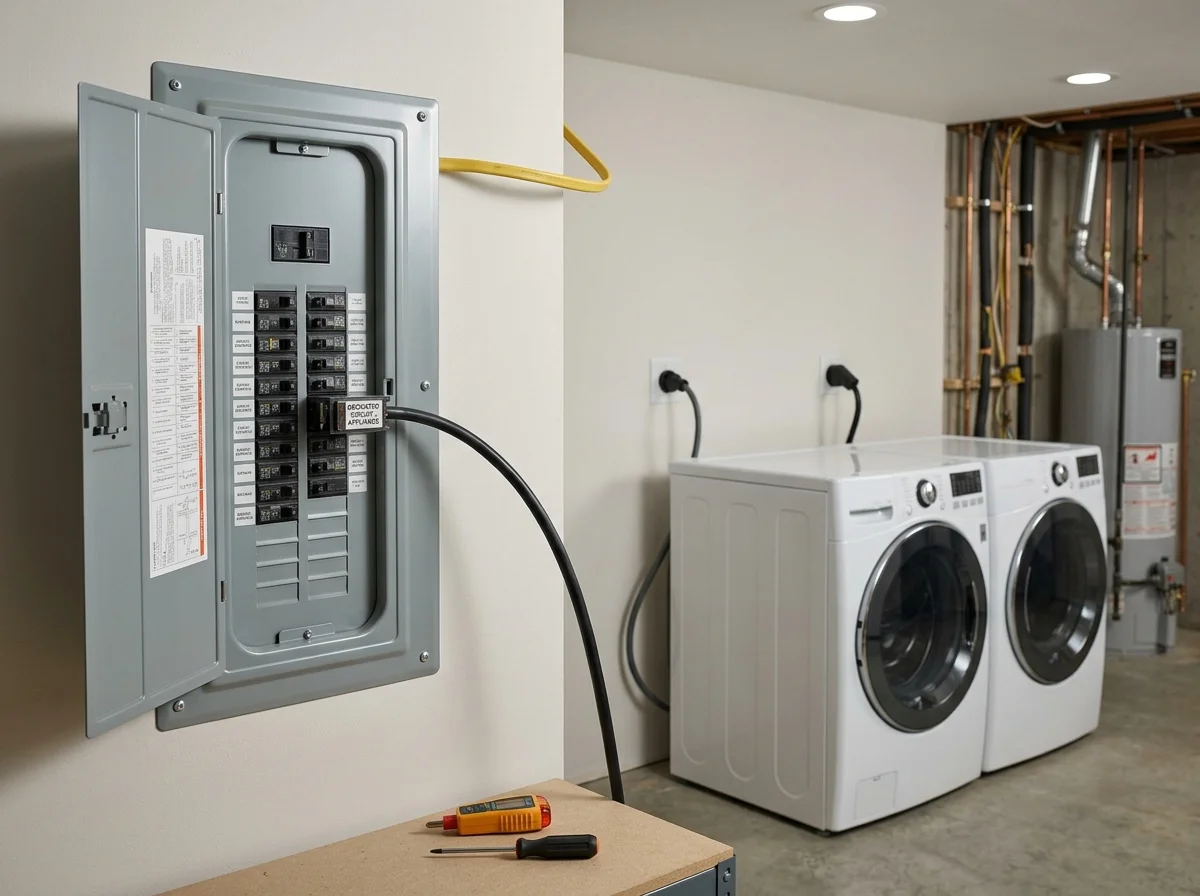
The receptacle has to suit the room and fit the existing outlet box. The wiring behind the wall matters as much, along with the voltage and the electrical circuit feeding the outlet. Grounding should be checked, never assumed. Inside the box, a hot wire brings power in, a neutral wire completes the path, and a ground wire handles faults.
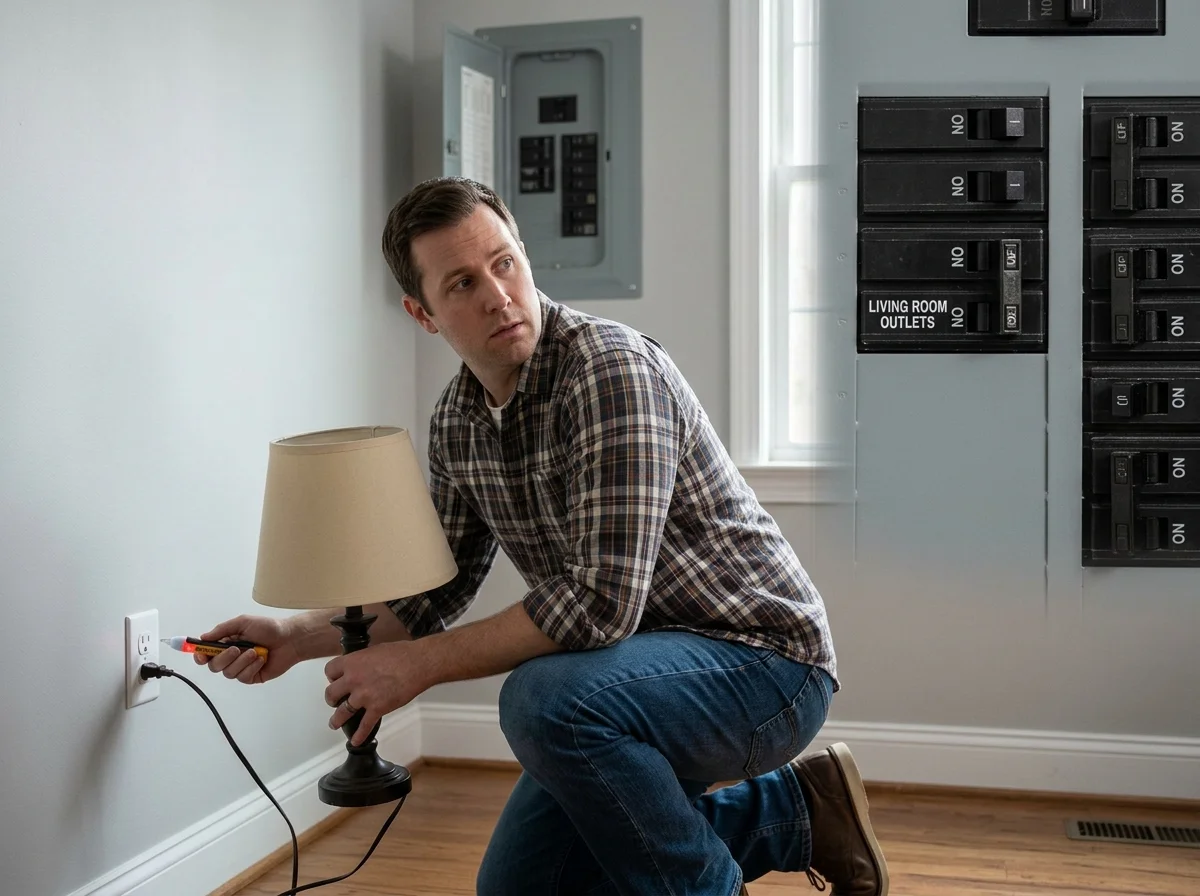
Anyone who plans to install an outlet should turn off the breaker first. A switched-off breaker still isn’t proof. Labels in the panel are sometimes wrong, and one breaker may feed several rooms. A voltage tester confirms the wires are dead before anyone touches a wire terminal, the screw or clamp holding each wire. If you can’t test outlet voltage safely, call a professional. Wiring steps stay outside this article.
When an Electrician Should Look at an Outlet
Any of the warning signs above justifies a call, and so does water exposure. Older two-slot receptacles deserve an evaluation too. Bring in a professional whenever a job reaches the wiring or the outlet box, or when you aren’t sure which receptacle a location needs. Testing and outlet troubleshooting belong with someone who has the tools and training.
Rinder Electric handles outlet installation, replacement, and repair for homes and businesses across Indianapolis and Central Indiana. Upfront pricing and 24/7 emergency service are part of how the company works.
Frequently Asked Questions About Electrical Outlets
What are the most common types of electrical outlets?
Standard grounded receptacles, GFCI outlets, and tamper-resistant outlets cover most homes. USB and weather-resistant versions handle narrower jobs, such as bedside charging or an exterior wall.
What is the difference between a standard outlet and a GFCI outlet?
The difference is protection. A standard outlet only delivers power. A GFCI also monitors for ground faults and interrupts power when it finds one, which is why it’s used where moisture is present.
How do I know when an outlet needs to be replaced?
Cracks or melting are clear reasons to replace a receptacle. So are plugs that won’t stay seated and any exposure to water. An older unit without the protection its location calls for qualifies as well.
Is a loose electrical outlet dangerous?
It can be. A receptacle that shifts in the wall strains the connections behind it, and a plug that fits loosely makes poor contact. Treat either one as a reason to call an electrician rather than something to live with.
Should I install or replace an electrical outlet myself?
Replacing an electrical outlet involves shock and fire risks, along with the need for correct connections and testing. If you are not trained to work safely with household wiring, hire a licensed electrician. A receptacle may look normal even when it has loose or incorrect connections behind the cover.
Final Thoughts
Outlets look alike from across the room, but they aren’t interchangeable. A receptacle that suits a bedroom won’t necessarily suit a garage or a porch. Cracked covers and wobbly outlets are easy to ignore for months. Anything damaged, loose, outdated, or mismatched to its location deserves attention.
Rinder Electric is a locally owned electrical contractor serving homeowners and businesses in Indianapolis and Central Indiana. The team is licensed, bonded, and insured, and it also performs safety inspections and electrical repairs. If a receptacle in your home looks worn or feels loose, contact Rinder Electric to schedule a visit.