A backup generator that sits untouched for months can fail right when the power drops. The battery may not have enough power to start the engine. Old fuel can clog a portable unit. If the oil level is too low, the engine may shut off before the generator supplies power to your home. Generator maintenance stops those problems early. This guide covers the key checks, how standby and portable models differ, and when to call a professional.
Why Does Generator Maintenance Matter Before a Power Outage?
Idle equipment doesn’t stay ready on its own. A generator can look fine outside while small problems grow inside the engine or enclosure. Nothing shows until you need it. When the power goes out, there may be little time to deal with a generator problem. Preventive maintenance changes that. You catch trouble on a quiet afternoon instead of in the middle of a storm.
A standby unit’s starter battery loses strength with age. Corroded terminals make it worse. If it can’t turn the engine over, nothing else matters. Fuel causes its own trouble. Gasoline left in a portable unit breaks down and leaves deposits. Low oil may trigger a protective shutdown. Debris around air intakes can lead to overheating. Maintenance won’t stop every breakdown, but it tilts the odds in your favor.
What Belongs on a Generator Maintenance Checklist?
A generator maintenance checklist keeps routine tasks from slipping through the cracks. Your owner’s manual sets the real procedures. It also lists the intervals and approved parts for your machine. Maintenance requirements vary by generator, so follow the instructions in your owner’s manual. The checklist below covers the main tasks to keep in mind.
Check Engine Oil and Service the Filters
Oil keeps metal parts from grinding together. Check the level with the engine off and the unit on level ground. Very dark or gritty oil deserves attention. Milky oil can signal moisture or another problem. A technician should see that one. Oil type and change intervals vary by model, so follow the manufacturer’s directions.
The air filter keeps dust and debris from getting into the engine. Inspect yours when the manual calls for it. Replace the air filter when it looks dirty or reaches its due date. Don’t guess at the timing. Different models use different filter types and different intervals. Check the manual before you buy parts.
Inspect the Spark Plug and Starter Battery
The spark plug provides the spark needed to ignite fuel inside the engine. A worn or fouled plug causes hard starts and rough running. Inspect the plug on your manual’s schedule. Replace it with the specified part only. Don’t swap in a lookalike. Small parts cause big starting problems.
Standby generators depend on a starter battery. Electric-start portables carry one too. Follow your manual’s instructions for battery testing, or ask a professional to check it during maintenance. Look for loose cables and corrosion. If the battery is swollen, cracked, or leaking, leave it to a qualified technician. Don’t handle it yourself.
Check Fuel Condition and Inspect for Leaks
Portable generators feel fuel problems most. They sit for months between outages. Gasoline can break down over time and leave deposits that restrict fuel flow. Before using your generator, make sure the fuel is in good condition. Store it according to the manufacturer’s instructions in approved containers away from your home’s living spaces.
Look for signs of leaks each time you check the generator. Wet spots, cracked fuel lines, or a strong fuel odor need prompt attention. Don’t run a generator you suspect is leaking. A gas smell near a standby unit is different. Leave the area and call your gas utility.
Review the Control Panel and Generator Runtime
The generator control panel is worth reading. Status lights and fault codes can flag low oil or a weak battery. They can also show a maintenance reminder. Many units track operating hours too. Log warnings, runtime, and completed service. Never bypass an alarm to keep a unit running.
An engine that fires up and idles hasn’t proven it can carry your key circuits. On some standby models, the exercise cycle runs without transferring the house load at all. Load testing fills that gap. It shows whether the generator can handle the electrical load it’s expected to support. Starting the engine alone doesn’t guarantee it will perform properly.
How Does Standby Generator Maintenance Differ From Portable Generator Maintenance?
Both types need maintenance. A standby generator stays put outside your home. It often runs on natural gas or propane. A portable unit gets moved, fueled by hand, and stored. Each type has its own maintenance needs and schedule. Follow a routine that fits the generator you use.
Standby Generator Maintenance
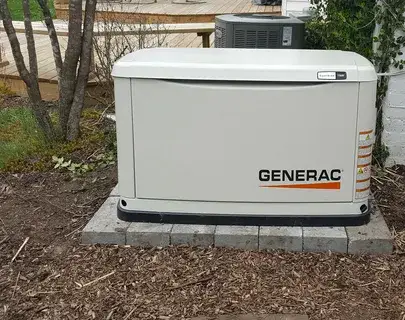
Standby generator maintenance centers on a machine built to work without anyone touching it. Glance at the status indicators regularly. Confirm the exercise cycle runs on schedule. Keep grass, snow, and clutter clear of the enclosure. Watch for damage or leaks around the base. Small signs show up there first.
A transfer switch switches your home’s electrical supply between utility power and generator power. If it fails, a healthy engine can’t help you. Testing or repairing the transfer switch calls for a qualified professional. Have a qualified professional handle any other installed electrical components as well. Don’t open them up yourself.
Portable Generator Maintenance
Portable generator maintenance depends heavily on storage. Before outage season, check the oil and air filter. Inspect the spark plug and make sure the fuel is still usable. Follow your manual’s storage steps. Put the unit away the way the manufacturer says. Don’t wait for the forecast.
Breathing carbon monoxide released by a portable generator can be deadly in minutes. The U.S. Consumer Product Safety Commission says to run them outside only, at least 20 feet from doors, windows, and vents. Position the generator so its exhaust blows away from the house. Never use one in a garage or shed, even with the doors open. Install CO alarms with battery backup. Let the engine cool before refueling.
| Maintenance area | Standby generator | Portable generator |
| Routine monitoring | Panel alerts and runtime | Visual check before each use |
| Battery and starting system | Periodic starter battery tests | Pull or electric start, by model |
| Fuel management | Usually gas or propane; watch for leaks | Stored gasoline can degrade |
| Exercise or pre-use checks | Automatic exercise cycle | Outdoor test runs per the manual |
| Professional inspection and testing | Transfer switch, connections, load testing | Engine, fuel, and electrical repairs |
How Often Should You Schedule Generator Service?
No single schedule fits every generator. Timing depends on the manufacturer, the model, runtime hours, and operating conditions. Most manufacturers track two clocks. Calendar-based maintenance happens at set times even if the generator barely runs. Runtime-based maintenance kicks in after a set number of operating hours.
Generac’s home standby schedule, for example, sets yearly service at 100 hours or one year, whichever comes first. Extended outages add hours fast. One long storm can push a unit toward service early. Don’t wait for the calendar alone. Follow the service schedule for your exact machine:
- Note each interval listed in your owner’s manual.
- Log runtime hours and completed service.
- Keep the exercise schedule at the manufacturer’s setting.
- Recheck the unit after a long outage or a new warning.
- Book professional generator service when your manual calls for it.
When Should You Arrange a Professional Generator Inspection?
Your own checks catch the obvious problems. They can’t replace professional diagnosis. They also can’t safely cover the electrical side of an installed system. Call for a generator inspection after repeated starting failures. Warning lights that keep returning count too. Don’t keep resetting the alarm and hoping.
New noises, heavy vibration, and leaks deserve a professional look. So does surging or stalling. A transfer switch that won’t move your home to generator power needs prompt attention. A professional generator inspection may cover the engine, fuel system, battery, and controls. Don’t wait on that one.
Some visits include load testing, which runs the generator under a suitable electrical load to see whether it holds steady. Ask what each visit covers, since tests vary. Keep your hands out of energized equipment. Don’t open control panels or bypass safety shutoffs. Leave that to a licensed electrician.
Frequently Asked Questions
These answers cover common questions about keeping a generator ready. Each one points back to your owner’s manual. Your model’s rules come first. Every generator is a little different. Use these answers as a starting point, then confirm details with the manufacturer or a qualified professional.
How Often Should You Run a Backup Generator?
Most standby generators run an automatic exercise cycle on a manufacturer-set schedule. Keep it configured as the manual directs. Portable units need periodic outdoor test runs as their manuals recommend. Running the engine doesn’t replace scheduled maintenance. It doesn’t replace proper load testing either. Treat each as its own task.
What Happens If You Leave Gasoline in a Portable Generator?
Gasoline breaks down in storage. It can leave gummy deposits in the carburetor and fuel lines. That causes hard starts or rough running. How long fuel stays usable depends on the fuel and storage conditions. Your manual explains whether to add a stabilizer or drain the tank. Follow it closely.
Does a Generator Need Professional Load Testing?
Load testing is the clearest way to confirm a generator can handle real electrical demand. A simple start can’t prove that. How often you need it depends on your equipment, how you use it, and the manufacturer’s requirements. Since it involves electrical connections, leave it to a qualified professional.
Final Thoughts
A dependable generator comes down to steady habits. Watch the oil, fuel, and battery. Service the unit on its own schedule. Get qualified help when something seems off. Do it before the next outage tests the unit. Waiting rarely helps. Small habits beat big repairs.
Rinder Electric is a licensed electrical contractor serving Indianapolis and Central Indiana. The team installs standby generators and offers repair work and maintenance plans through its generator services. If your generator hasn’t been checked in a while, contact us and ask whether a maintenance visit makes sense for your system.