Becoming an electrician in Indiana is a strong career choice for people who want stable income and hands-on work. Many people search for terms like Indiana electrician license, electrical licensing Indiana, and electrician certification Indiana because they want a clear path. This guide explains everything in very simple English. You will learn about training, apprenticeship, master electrician level, inspections, safety, and Professional electrical services. The goal is to help beginners understand the full process in an easy and practical way.
What Is an Indiana Electrician License
An Indiana electrician license is a legal approval that allows a person to work on electrical systems safely. In Indiana, licensing is mostly controlled by local cities instead of one statewide system. This means rules can change depending on location. A licensed electrician shows they have training, experience, and knowledge of safety standards. This includes understanding wiring systems, electrical repair, and installation work. The license helps protect homes, businesses, and public buildings from electrical hazards and unsafe work.
Electrical Licensing System in Indiana
The electrical licensing system in Indiana is different from many other states. There is no single universal license for all electricians. Instead, local governments manage licensing requirements. Some cities require exams, while others focus on work experience and apprenticeship training. This system ensures electricians meet local safety rules. Because of this, anyone planning to work in electrical licensing Indiana must first check local regulations. Understanding this system is the first step toward becoming a professional electrician in the state.
How to Become an Electrician in Indiana
To become an electrician in Indiana, a person usually starts with basic education. A high school diploma or GED is required in most cases. After that, the next step is joining an apprenticeship program. This combines classroom learning with real job experience. Students learn wiring, safety rules, and electrical systems. Over time, they gain skills needed for certification. This process helps build a strong foundation for future licensing and prepares individuals for both residential and commercial electrical work.
Indiana Electrician Apprenticeship Training
An electrician apprenticeship is one of the most important steps in the Indiana electrical licensing journey. In Indiana, apprentices usually train for four to five years. During this time, they work under experienced electricians. They learn how to install wiring, fix electrical systems, and follow safety codes. They also attend classroom lessons that explain theory and electrical concepts. This mix of practical and academic training helps apprentices become skilled and confident professionals in real-world electrical jobs.
Electrical Theory and Code Knowledge
Electricians in Indiana must understand electrical theory and safety rules. One of the most important learning areas is the National Electrical Code. This code explains how electrical systems should be installed safely. Apprentices study voltage, current, resistance, and circuit behavior. This knowledge helps them solve problems and avoid dangerous mistakes. Understanding electrical theory is important for passing exams and performing professional electrical services safely in homes and businesses.
Indiana Master Electrician Requirements
Becoming a master electrician in Indiana is the next level after gaining experience. A master electrician has advanced knowledge and skills in electrical systems. They usually have several years of field experience and must pass a difficult exam. This level allows them to supervise other electricians, manage large projects, and ensure code compliance. Many master electricians also work as contractors. This career level offers higher income and more responsibility in residential and commercial electrical work.
Electrical Contractor Licensing in Indiana
An electrical contractor license in Indiana is required for electricians who want to run their own business. Contractors must understand both electrical work and business operations. They often need insurance, bonding, and a master electrician qualification. This license allows them to hire workers, manage projects, and pull permits. Electrical contractors handle large jobs like new buildings and system upgrades. This step is important for electricians who want long-term business growth and independence in the industry.
Electrical Safety inspection
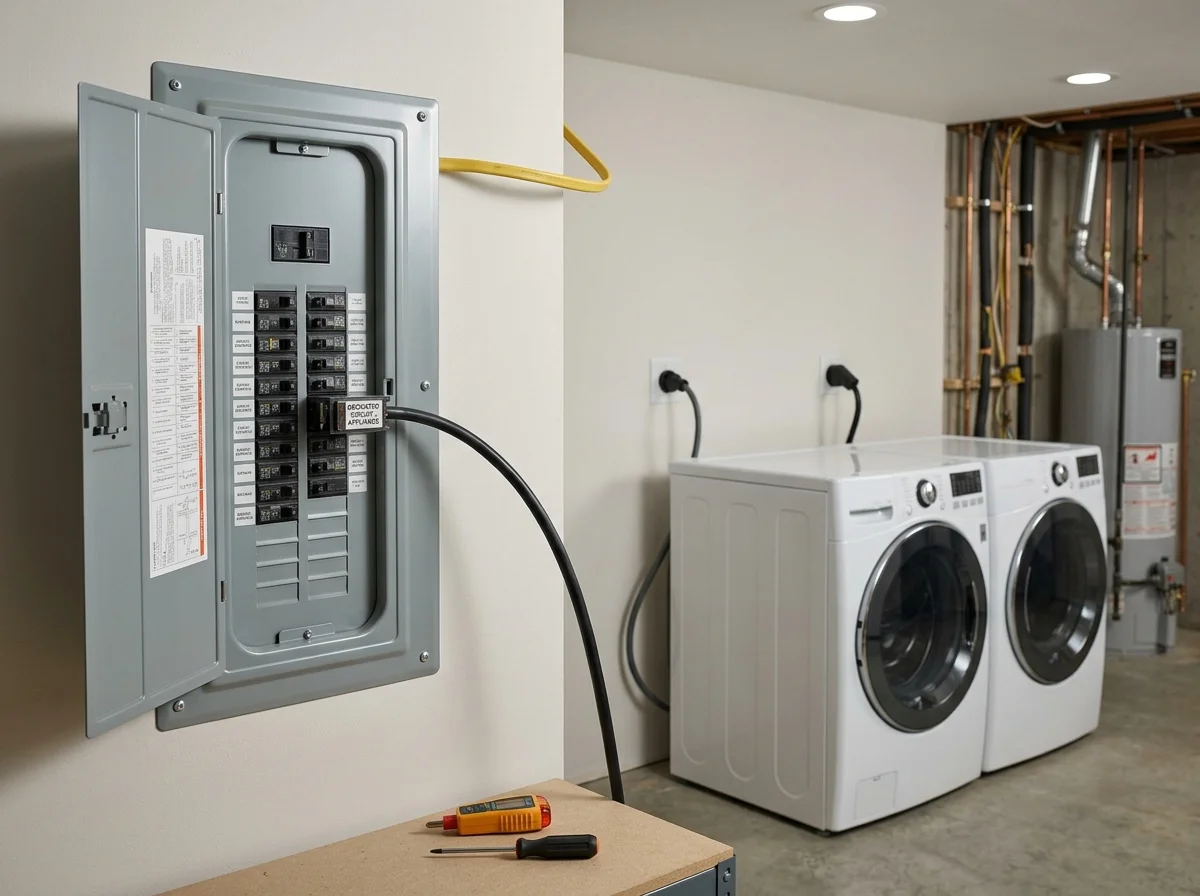
Electrical inspections are a key part of construction safety in Indiana. Inspectors check wiring, panels, and installations to make sure everything follows safety standards. These inspections are required after new construction or major electrical upgrades. They help prevent fires, shocks, and system failures. Inspectors ensure all work meets local codes and the National Electrical Code. Passing inspection is necessary before a building can be safely used. This protects both homeowners and businesses.
Homeowner Electrical Safety Tips
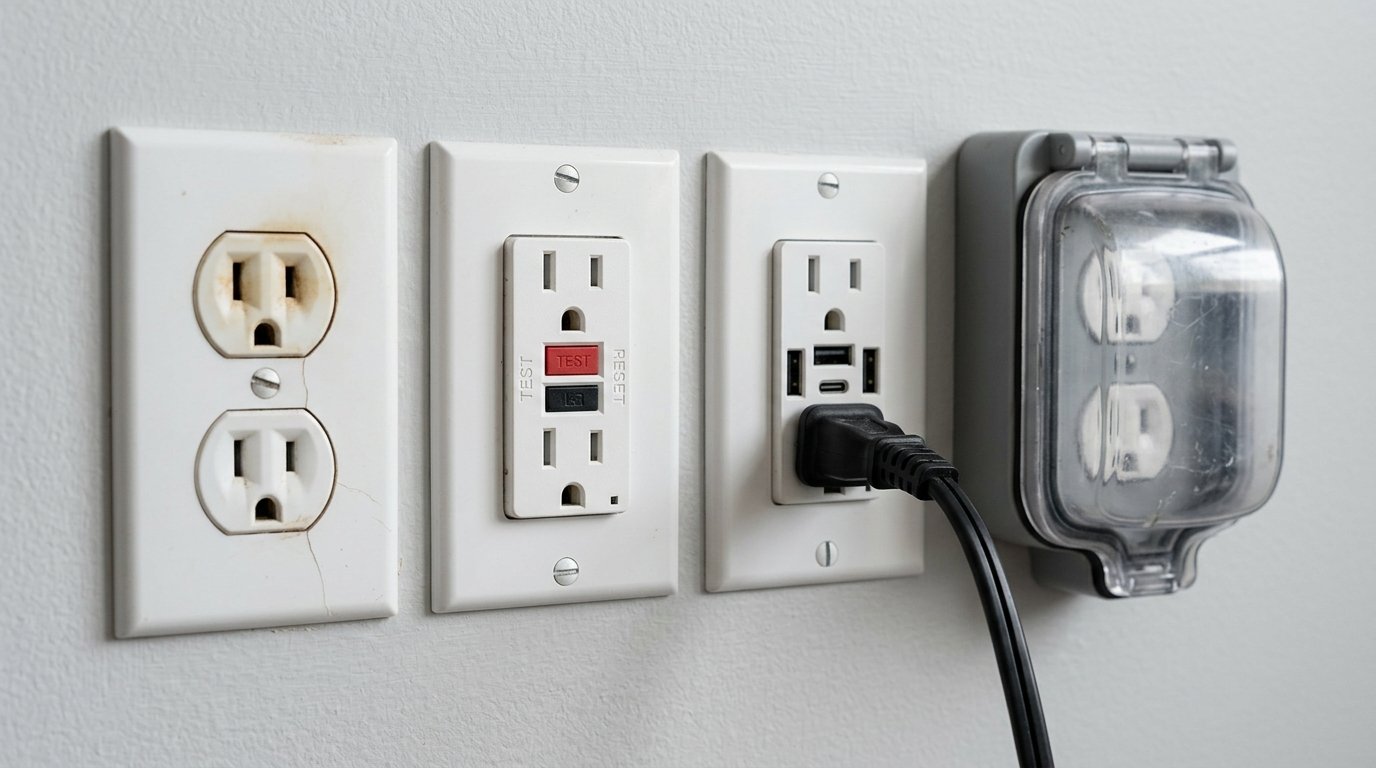
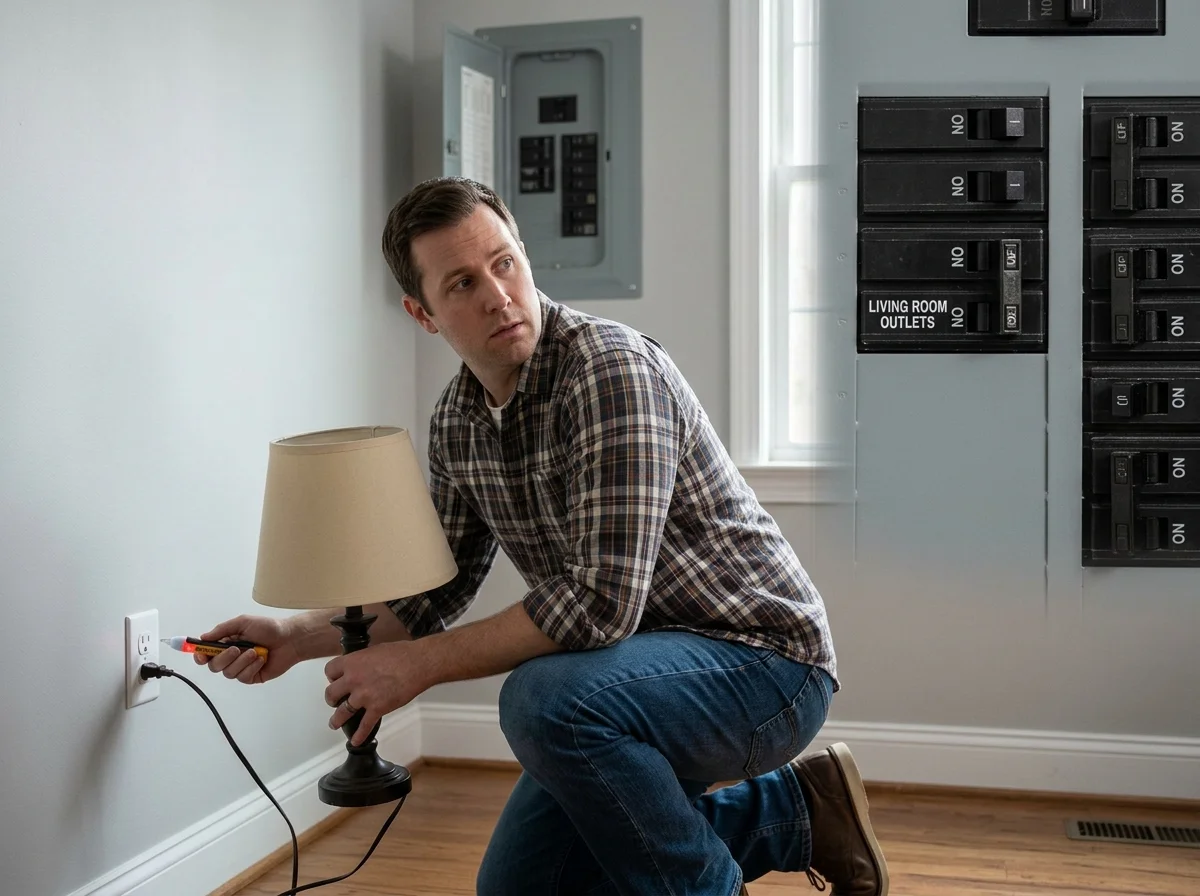
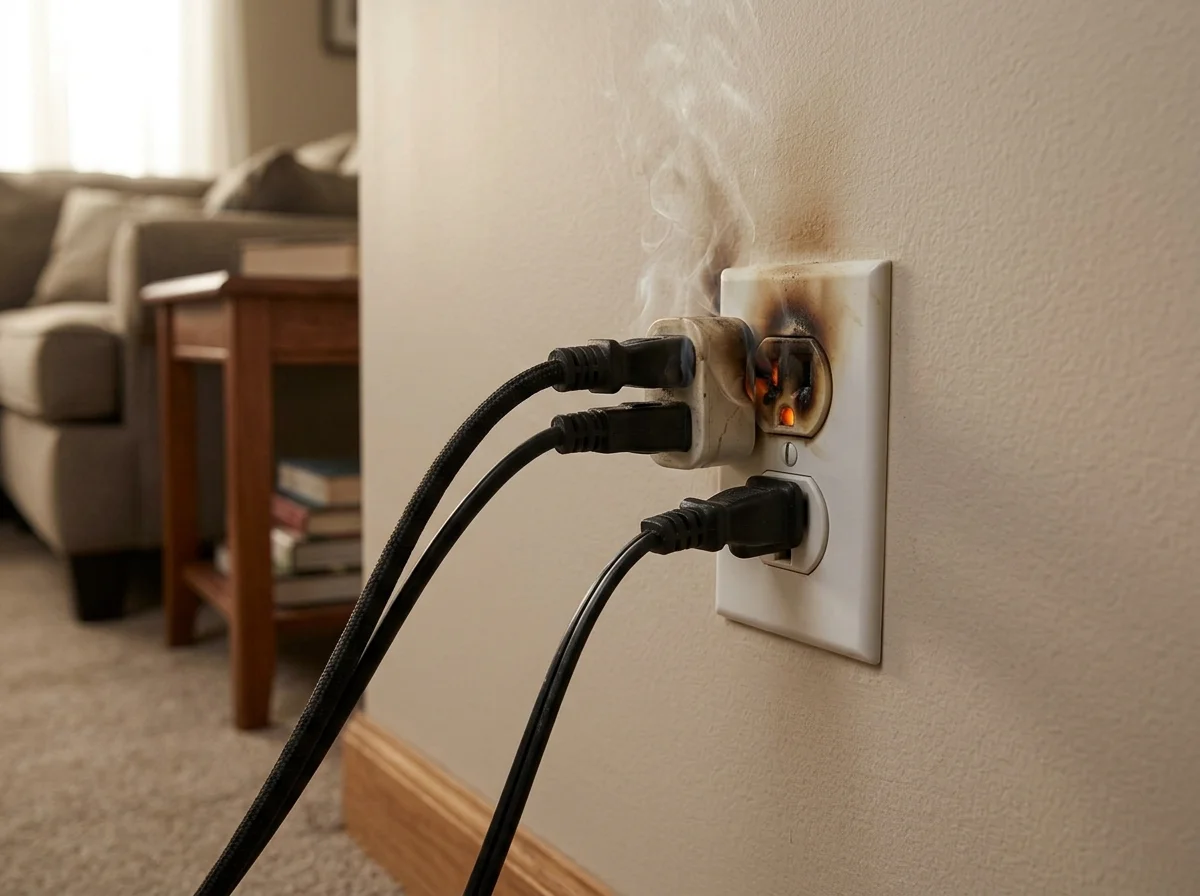
Home electrical safety is very important in every house in Indiana. Homeowners should avoid overloading outlets because it can cause overheating. Damaged wires should be replaced immediately to help prevent common Electrical hazards and accidents. Water should never come in contact with electrical systems. It is also important to test safety devices like breakers regularly. If any electrical issue seems serious, a licensed electrician should be called. These simple steps help reduce risks and keep families safe from Electrical hazards in daily life.
When to Hire Professional Electrical Services
Professional electrical services are needed for many types of work in Indiana. Homeowners should hire licensed electricians for panel upgrades, wiring installation, and system repairs. Electrical work is dangerous if done incorrectly. Professionals understand safety codes and local regulations. They also have the right tools and training. Hiring experts ensures the job is done correctly and safely. It also helps avoid long-term problems like electrical failures or fire risks in residential and commercial properties.
Skills Needed for Electricians
Electricians working in Indiana need both technical and personal skills. They must understand electrical systems, wiring diagrams, and safety rules. Problem-solving is very important because every job is different. Good communication helps them work with clients and team members. Physical strength is also required because the job can be demanding. Attention to detail is critical to avoid mistakes. These skills help electricians build successful careers in residential, commercial, and industrial electrical work.
Career Opportunities in Electrical Field
The electrical field in Indiana offers many career opportunities. Electricians can work in homes, offices, factories, and construction sites. Some become residential electricians, while others specialize in industrial systems. Many experienced workers become contractors or business owners. There is also demand for maintenance electricians who repair systems regularly. Because electricity is always needed, this career offers long-term stability. Skilled electricians are always in demand, making it a strong career choice for future growth.
Salary and Growth Potential
Electricians in Indiana can earn good income depending on experience and skill level. Apprentices earn while they learn, and wages increase over time. Licensed electricians earn more as they gain experience. Master electricians and contractors usually have the highest income. Specialized skills like industrial work or system design can increase earnings further. This career also offers growth opportunities through certifications and business ownership. Many electricians build long-term financial stability through continuous learning and experience.
Importance of Electrical Safety Standards
Safety standards in electrical work are very important in Indiana. These rules help prevent accidents, fires, and equipment damage. Electricians follow strict guidelines based on the National Electrical Code. These standards are updated regularly to match modern technology. Following safety rules ensures that electrical systems work properly and safely. It also protects workers and customers. Proper training and licensing help maintain these safety standards in all types of electrical projects.
Conclusion
Starting a career in electrical work in Indiana is a smart choice for long-term success. The process includes education, apprenticeship, licensing, and skill development. Whether you want to become a licensed electrician, master electrician, or contractor, each step builds your future. Understanding electrical systems, safety rules, and inspections is very important. With proper training and dedication, you can build a strong and stable career in the electrical industry.
FAQs
1. What is an Indiana electrician license?
An Indiana electrician license is a certification that allows a person to legally perform electrical work. In Indiana, licensing is handled locally, and requirements depend on the city or county where you work.
2. How do I become an electrician in Indiana?
To become an electrician in Indiana, you usually need a high school diploma, followed by an apprenticeship program. After gaining experience, you may apply for a local license depending on your area’s rules.
3. How long does an apprenticeship take?
An electrician apprenticeship in Indiana usually takes four to five years. During this time, you learn both classroom theory and hands-on electrical skills under supervision.
4. What is a master electrician?
A master electrician in Indiana is an advanced professional with many years of experience. They can supervise projects, manage teams, and handle complex electrical systems.
5. Are electrical inspections required?
Yes, electrical inspections are required for most major electrical work in Indiana. These inspections ensure all installations follow safety standards and electrical codes.
6. Can homeowners do electrical work?
In some cases, homeowners in Indiana may do small electrical tasks, but major work should always be done by licensed electricians to ensure safety.
7. What is the National Electrical Code?
The National Electrical Code is a safety standard that explains how electrical systems should be installed and maintained properly.
8. Is electrician work in demand?
Yes, electrician work is in high demand in Indiana due to ongoing construction, maintenance needs, and growing electrical systems.
9. What skills do electricians need?
Electricians need technical knowledge, problem-solving skills, and attention to detail. In Indiana, these skills are essential for safe and effective electrical work.
10. Why hire a licensed electrician?
Hiring a licensed electrician in Indiana ensures the work is safe, follows codes, and reduces the risk of electrical hazards in homes and businesses.