Your home has electricity. It powers everything. Lights. Heat. Cooling. Appliances. But electricity is dangerous. Electrical hazards for homeowners can hurt you badly. Fires can start in walls. You can get shocked. Damage can happen to your home.
Most Indianapolis homeowners don’t think about electrical safety. They just plug things in. Until something breaks badly. Until a fire starts. Until someone gets shocked. This guide explains everything you need to know. Common home electrical hazards. Electrical safety tips to protect your family. Signs of faulty wiring to watch for. Damaged wiring risks that kill. Overloaded circuits that start fires. Fire prevention that saves homes. Real dangers. Smart prevention. By the end, you’ll know what to watch for. You’ll know when to call a licensed electrician Indianapolis.
Understanding Common Home Electrical Hazards
Old and Faulty Wiring
Many dangers exist in homes. Faulty wiring is the biggest problem. Old wiring breaks down over time. The insulation gets cracks. The copper wire shows through. This creates serious fire risk. Creates serious shock risk. Many Indianapolis homes are very old. Built 50 years ago. Original wiring is still there. Old wiring is very dangerous. Extremely dangerous.
Signs of faulty wiring include flickering lights. Burning smell from outlets. Dark spots on outlets. Discolored walls near outlets. These are warning signs. Take them seriously. Call electrician immediately. Don’t wait.
Overloaded Electrical Circuits
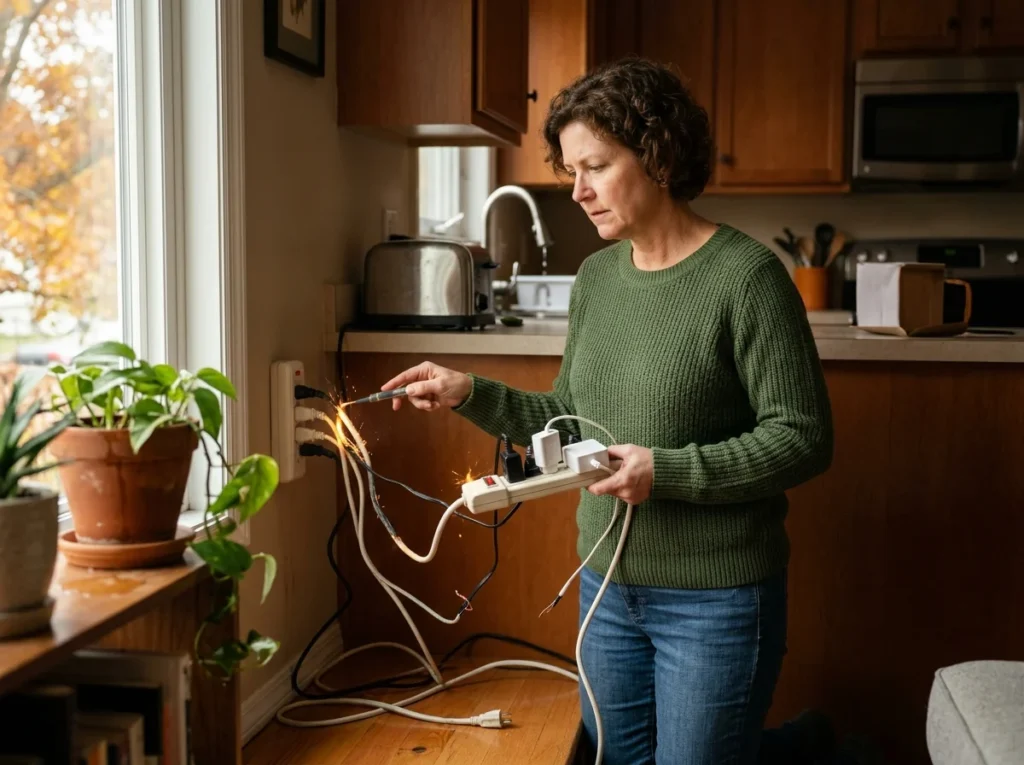
Overloaded electrical circuits happen a lot in homes. Too many plugs in one outlet. Things overheat. Fires start. Breakers trip. Overloaded circuits are very common problem. Too many devices plugged in. Big danger. Very big danger.
Example: kitchen outlet has microwave. Coffee maker. Toaster. Blender. All plugged into same outlet. Demand is too high. Circuit overheats. Fire risk. Breaker trips. Power goes off. Or fire starts. This happens constantly in homes. Be aware.
Water Near Electricity
Water and electricity don’t mix. Never. Ever. Wet areas near outlets. Spills near appliances. This is disaster waiting. Bathrooms are very risky. Kitchens too. Laundry rooms risky. Keep electricity away from water. Always. Every single time.
Example: bathroom has outlet near sink. Water splashes. Electrocution happens. Shock. Injury. Death possible. Kitchen has outlet near dishwasher. Water leaks. Fire. Shock. Danger. Keep electricity away from water areas.
Damaged and Frayed Wires
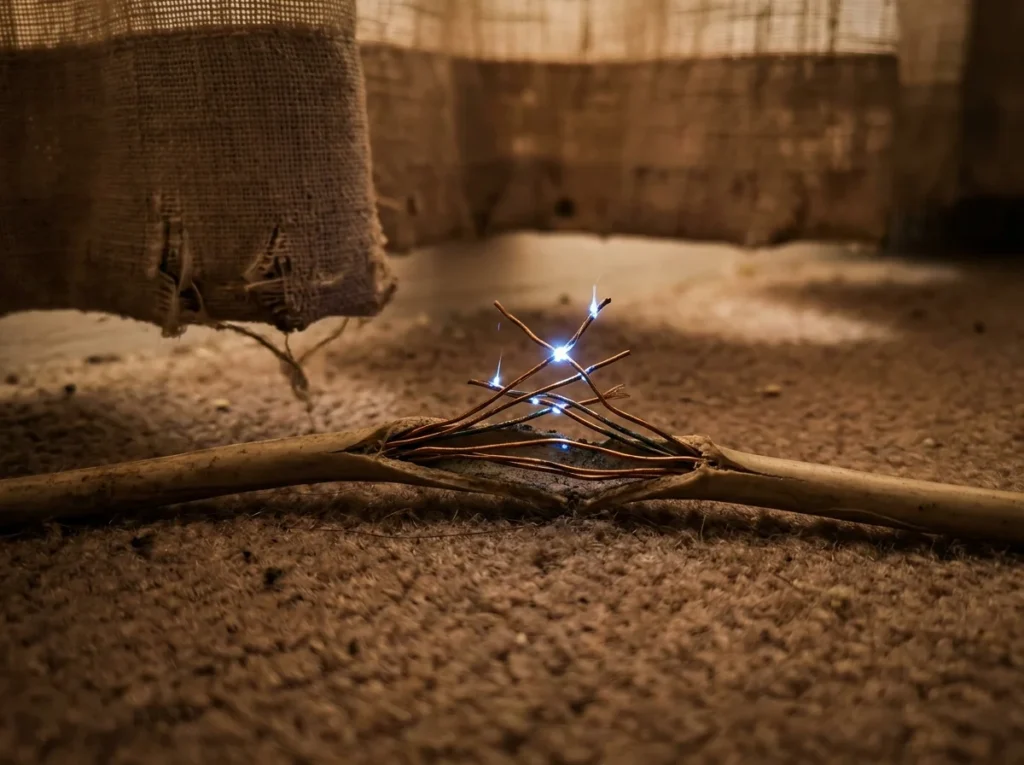
Damaged wiring causes shocks. Causes fires. Look for exposed wires. Look for cracks in insulation. Never ignore damaged cords. Replace them immediately. Do it now. Not later. Now.
Example: lamp cord is frayed. Copper shows. Kids touch it. Shock. Injury. House has extension cord with crack. Fire starts. House burns. These happen. Be careful. Replace damaged cords immediately.
Aluminum Wiring Problems
Some old homes have aluminum wiring. Built in 1970s. Some homes have this. It corrodes over time. Creates fire risk. Very dangerous. Extremely dangerous. If your home has this. Call electrician. Get it checked now. Might need replacement. Might need upgrade.
Outdated Electrical Panels
Old electrical panels can’t handle modern power. Today we have more devices. More appliances. More electricity demand. Old panel designed for 1960s home. Not modern home. Too many breakers. Old design. Fire risk. Shock risk.
Is my home’s electrical panel outdated? If built before 1990. Probably yes. Very probably yes. Have it inspected. Professional electrician assesses. Tells you if upgrade needed. Peace of mind matters.
Electrical Safety Tips for Homeowners: How to Stay Safe
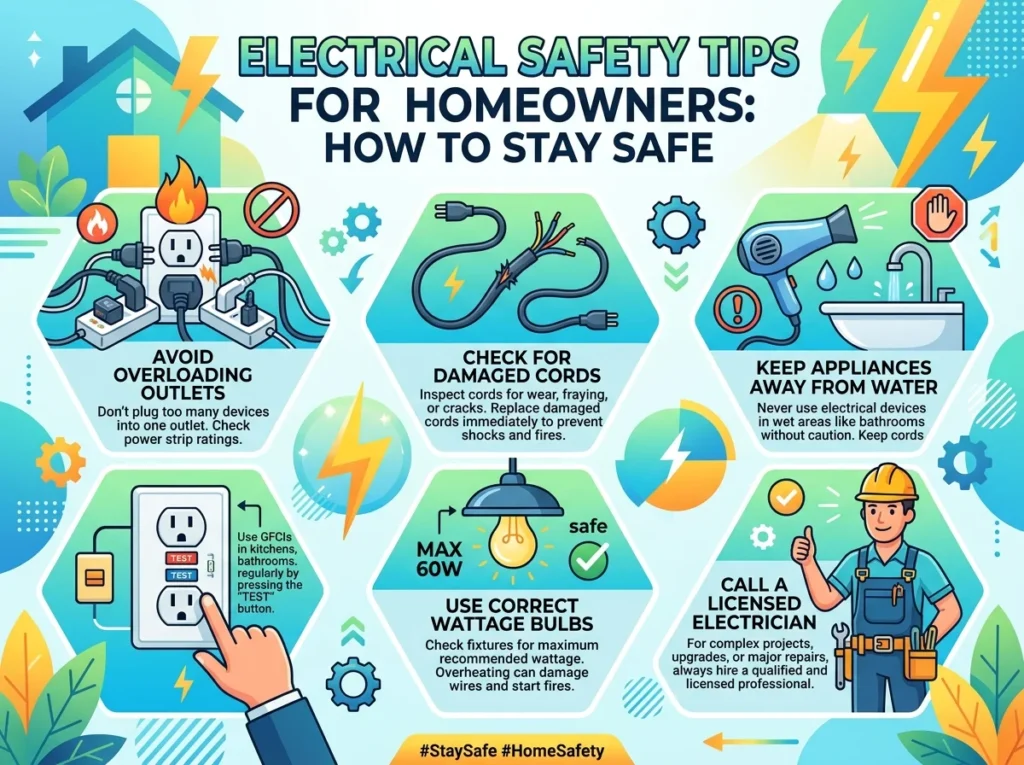
Never DIY Electrical Work
First rule: never DIY electrical work. Never. It’s very dangerous. Requires specialized training. Requires professional license. Hire licensed electrician Indianapolis. Always. No exceptions. Never. Professional knows what to do. Knows how to do it safely. Worth the money.
DIY electrical work causes fires. Causes shocks. Causes deaths. Don’t do it. Leave it to professionals. Always.
Use Proper Outlets Everywhere
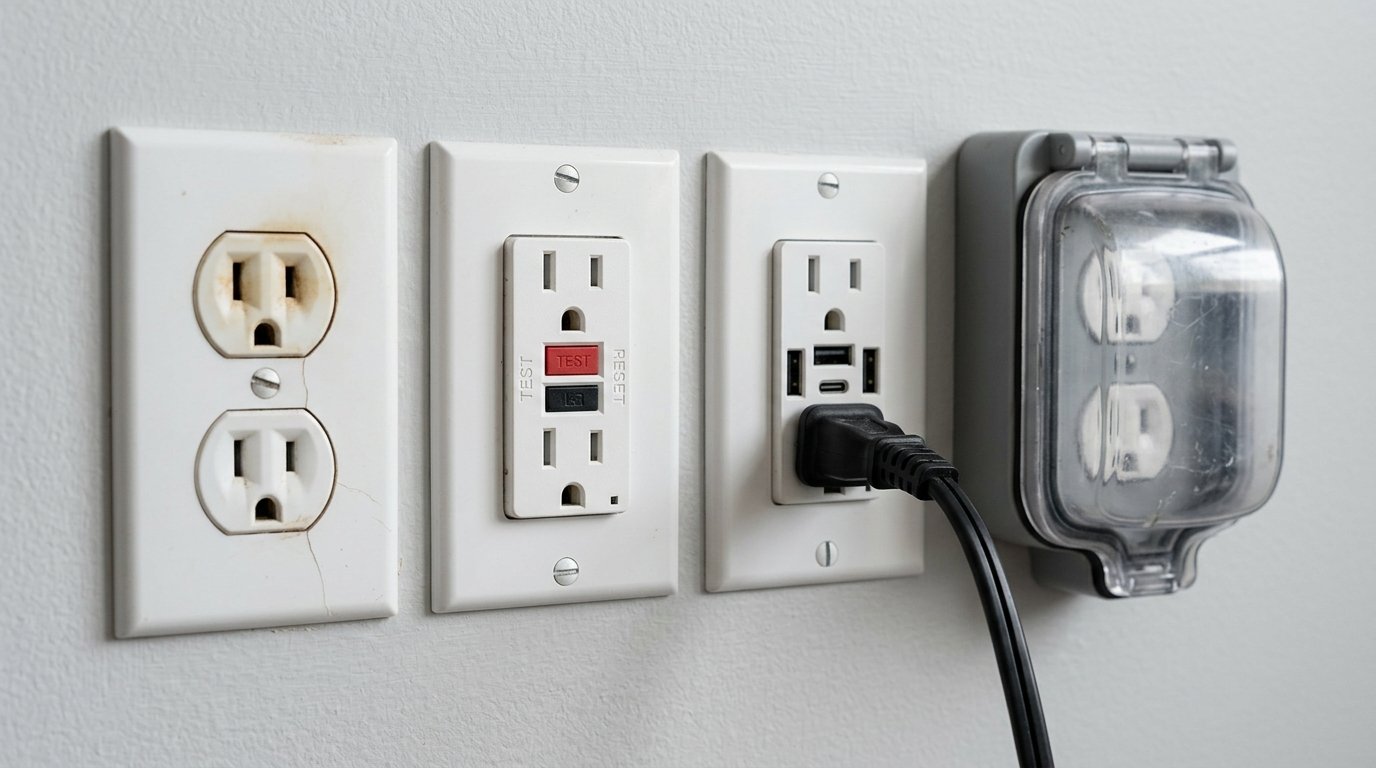
Use proper outlets everywhere in home. Three-prong outlets are grounded. Two-prong outlets aren’t grounded. Grounding protects you. Very important. GFCI outlets in bathrooms. GFCI outlets in kitchens. Surge protectors for devices. Especially valuable devices. Especially electronics.
Right outlets equal safety. Always use them. Always. Every time. Invest in proper outlets. Worth the investment.
Don’t Overload Outlets
Don’t overload outlets with too many plugs. Don’t do it. Ever. Use different outlets. Spread the load across circuits. Kitchen outlets separate from living room outlets. Bathroom outlets separate from bedroom outlets. Spread everything out. Overloading causes fires. Prevent it now.
Example: Don’t plug microwave, coffee maker, and toaster into one outlet. Use different outlets. Use different rooms. Spread the electrical demand. Prevent overheating.
Keep Water Away from Electricity
Keep water away from electricity. Always. No outlets in bathrooms without GFCI protection. No appliances near water. Dry hands before using appliances. Never. Ever. Touch electrical things with wet hands. Water conducts electricity. Kills instantly. Respect this danger. Always.
Example: Don’t use hair dryer with wet hands. Don’t touch outlet with wet hands. Don’t use outlets near sink. Keep water away. Always.
Get Professional Inspections Yearly
Get professional inspections yearly. Especially older homes. Especially if problems appear. After storms hit. After lightning strikes. After flooding. Prevention is cheap. Emergency repair is very expensive. Much more expensive. Annual inspection costs $150-$300. Fire damage costs $100,000+. Emergency replacement costs $10,000+. Get inspection yearly.
Test Your Breakers Monthly
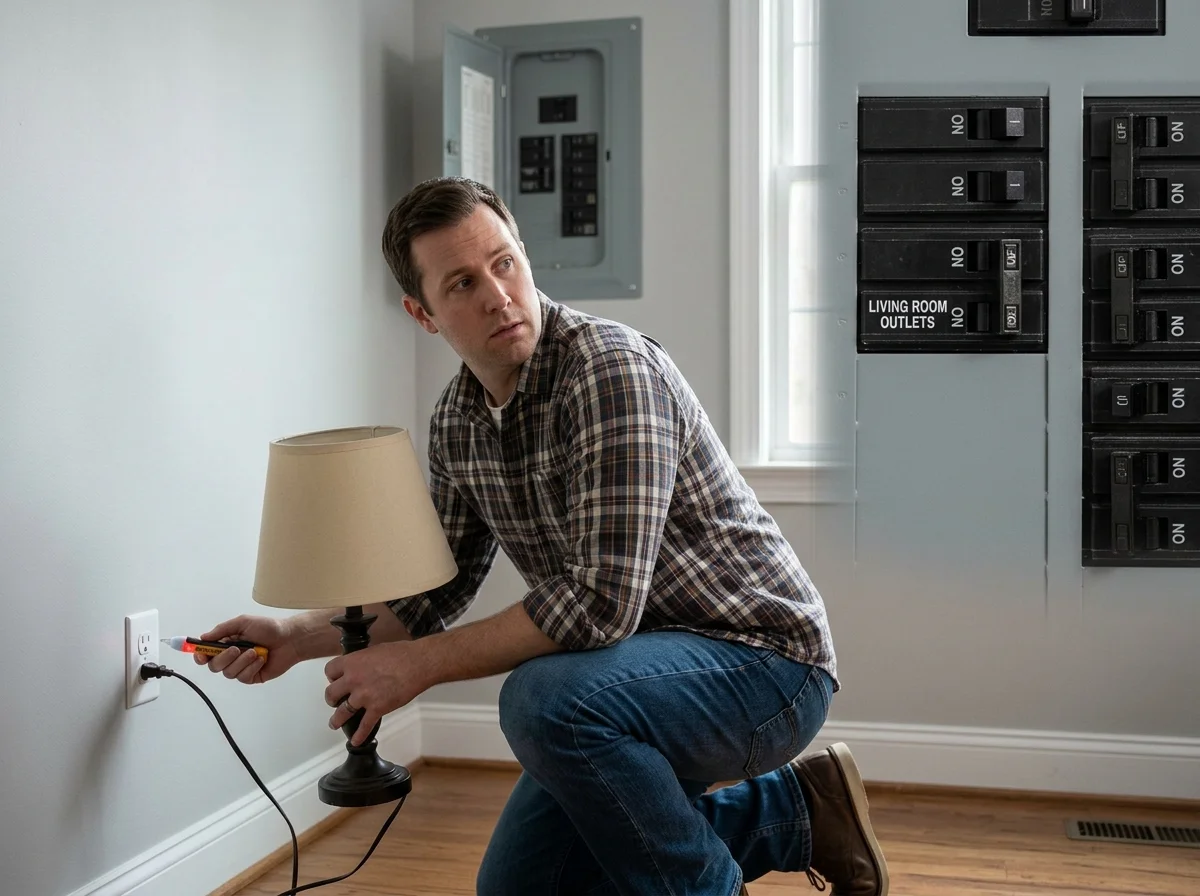
Test your breakers monthly. Flip them on and off. Make sure they work. Make sure they reset properly. Flip each breaker. Lights should go off. Flip back on. Lights should come on. Working breakers save lives. Test them. Do it monthly.
Signs of Faulty Wiring: What You Need to Watch For
Flickering Lights
Flickering lights that flicker on and off. Lights dim and brighten constantly. Not normal behavior. Never normal. Indicates wiring problem. Indicates loose connection. Indicates faulty breaker. Call electrician immediately. Don’t wait. This is serious. Don’t ignore.
Flickering happens everywhere in house? Serious problem. Flickering in one room? Still serious. Still needs professional assessment. Call electrician.
Burning Smell
Burning smell near outlets. Near electrical panel. Near appliances. Big danger sign. Fire is starting. Is starting now. Leave home immediately. Call 911 first. Then call electrician. Don’t delay. Don’t stay. Leave immediately.
Burning smell means wires are overheating. Insulation is melting. Fire is starting inside walls. Leave home. Call 911. Fire department comes. Electrician fixes problem. Don’t risk your life.
Discolored Outlets
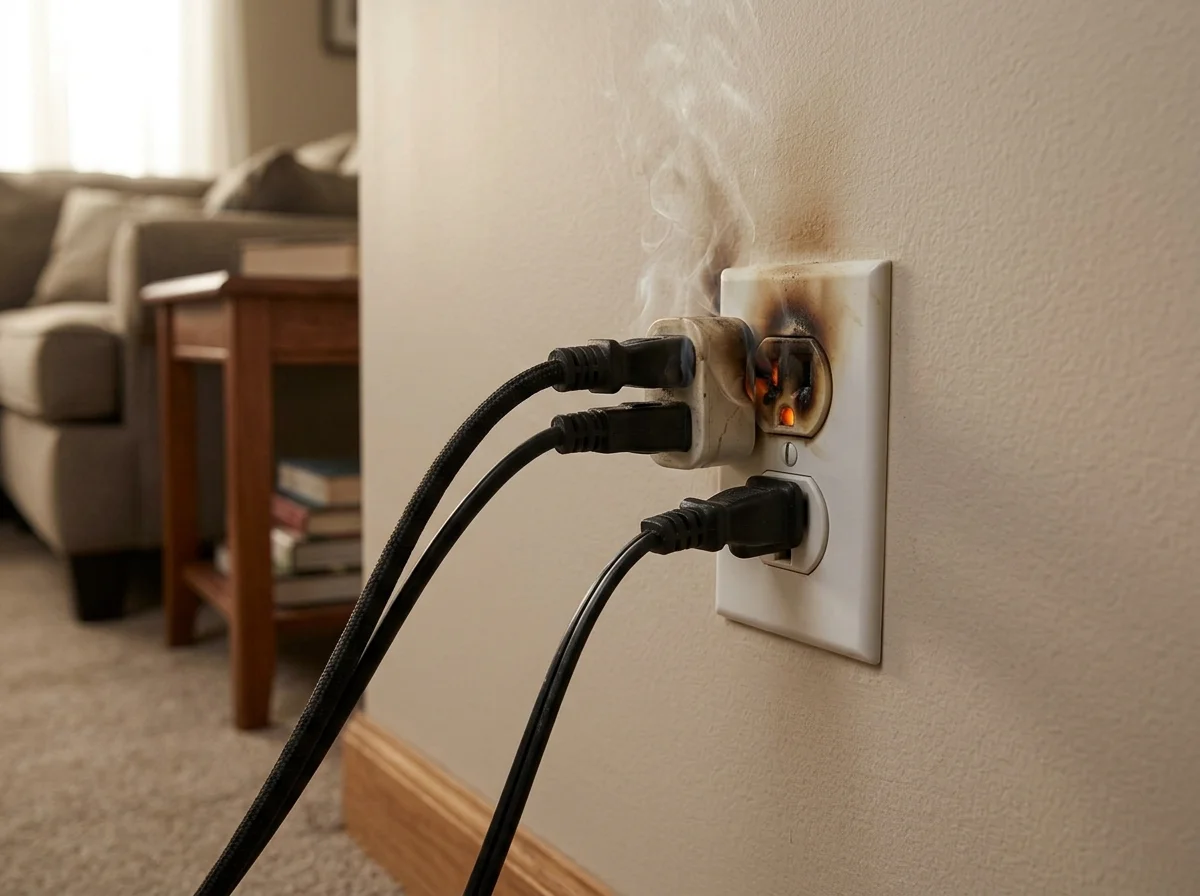
Discolored outlets have dark spots around them. Burn marks visible. Scorch marks. Black marks. Indicates overheating. Indicates faulty wiring problem. Fire risk very high. Call electrician immediately. Get it fixed. Don’t use outlet. Never use it. Call professional now.
Dark spots get darker? Fire will start soon. Don’t wait. Call electrician. Have it fixed today. Not tomorrow. Today.
Warm Outlets
Warm outlets feel warm to touch. Very warm. Hot even. Why is my outlet warm or sparking? Indicates electrical problem. Overheating happening right now. Loose connection present. Fire risk very high. Don’t touch. Don’t use. Call electrician right now. Don’t wait.
Warm outlet is overheating. Fire will start. Stop it now. Call electrician. Emergency call. This is serious.
Sparking Outlets
Sparking outlets shoot sparks out. Visible sparks. Bright sparks. Red flag. Immediate danger. Electrical fire risk. Immediate risk. Turn off breaker. Call electrician emergency. This is serious. Don’t delay. Don’t wait. Call now.
Sparks mean electrical arcing. Fire will start soon. Stop it now. Don’t use outlet. Don’t touch outlet. Call emergency electrician.
Buzzing Sounds
Buzzing sounds come from electrical panel. From walls. From outlets. Electrical arcing happening. Electricity jumping across gap. Very dangerous. Fire risk. Call electrician immediately. Have it checked. Don’t ignore buzzing. Ever. Buzzing means problem. Big problem.
Loud buzzing? Fire starting soon. Quiet buzzing? Still serious. Still needs professional check.
Frequent Breaker Trips
Frequent breaker trips happen multiple times daily. Multiple times per week. Indicates overloading. Indicates fault. Needs investigation now. Call electrician. Find problem. Fix it. Don’t just flip breaker back on. That ignores problem.
Breaker trips for reason. Circuit is overloaded. Or fault exists. Professional finds it. Fixes it.
Shocks from Outlets
Shocks from outlets when touching outlet. Or touching appliance. Indicates fault. Grounding problem. Very dangerous. Don’t use outlet. Call electrician. Needs repair immediately.
Shock means electricity is escaping. Escaping where it shouldn’t. Very dangerous.
Frayed or Damaged Wiring Risks: Why It’s Very Serious
Fire Risk from Damaged Wires
Frayed or damaged wiring creates fire risk. Exposed wire creates heat. Heat ignites material nearby. Paper ignites. Wood ignites. Insulation ignites. Fire starts. House burns. Electrical fire prevention at home starts with cord care. No damaged cords. Ever. Replace them immediately. Today. Not tomorrow.
Damaged cord creates heat. Heat spreads. Fire spreads. House burns down. Happens frequently. Be careful.
Shock Risk from Exposed Wires
Damaged wires cause shock risk. Touching exposed wire causes shock. Serious injury possible. Death possible. Never touch. Frayed cords are high risk. Very high risk. Replace now. Don’t delay. Kids might touch. Pets might touch. Dangerous.
Exposed wire carries electricity. Full power. Lethal. Never touch.
Appliance Damage from Bad Cords
Damaged cords damage appliances. Shortens appliance life. Costly replacement. Annoying problem. Prevent damage now. Replace cords immediately. Save your appliances.
Bad cord ruins appliance. Causes fires. Causes shocks. Causes damage.
Damage Spreads Through House
Damage spreads through house. One damaged cord becomes two. Then three. Multiple hazards develop. Fix it now. Prevent spreading. Don’t wait. One problem becomes many problems.
Repair Options for Damaged Wires
Repair options: small damage uses tape. Tape is temporary only. Not permanent solution. Not reliable. Tape fails. Falls off. Doesn’t protect.
Serious damage needs cord replacement. Or appliance replacement. Always replace. Never tape permanently. Tape is dangerous.
Overloaded Electrical Circuits: Understanding the Problem
What Causes Overload
Overloaded electrical circuits happen when too many devices run on one circuit. Too many devices on one circuit. High-power devices running. Demand exceeds capacity. Every outlet on circuit connected to same breaker. Overload trips breaker. Or causes fire. Big danger. Serious danger.
Example: kitchen circuit has microwave, coffee maker, toaster, dishwasher. All running at same time. Demand too high. Circuit overheats. Breaker trips. Or fire starts.
Signs of Overload Present
Signs of overload: breaker trips frequently. Lights dim when appliance runs. Outlets feel warm. Burning smell present. These indicate overload. Very dangerous. Call electrician immediately. Don’t ignore signs.
Breaker trips mean circuit is overloaded. Or fault exists. Either way. Call professional.
Prevention of Overloaded Circuits
Prevent overload by spreading devices across circuits. Don’t plug everything into one outlet. Use different outlets. Use different rooms. Kitchen outlets separate from living room. Bathroom outlets separate from bedroom. Spread electrical load. Know your circuit capacity. Respect it. Don’t overload. Ever.
Solutions for Overload Problems
Solutions require adding new circuits. Add new outlets. Redistribute electrical load. Professional electrician assesses situation. Designs solution. Installs properly. This costs money. Worth the investment. Prevents fires. Saves home. Saves lives.
Electrical Fire Prevention at Home: Smart Prevention Steps
Regular Home Inspections
Schedule a professional electrical inspection regularly. Look for damage with expert guidance. Look for worn cords. Look for discolored outlets. Look for burn marks everywhere. Monthly inspection prevents problems. Catches issues early. Prevents fires. Saves homes.
Visual inspection takes 30 minutes. Monthly. Easy. Prevents disaster.
Replace Old Appliances
Replace old appliances that are 15+ years old. Old appliances use old wiring. Increased fire risk. New appliances are safer. Much safer. More efficient. Consider replacement soon. Old refrigerator? Replace. Old stove? Replace. Old dryer? Replace. New ones safer. Prevent fires.
15 year old appliance is high risk. Very high risk.
Use Quality Surge Protectors
Use surge protectors for valuable equipment. Power surges damage electronics. Cause fires. Surge protectors prevent this. Use quality protectors. Cheap ones don’t work. Quality ones do. Especially for valuable equipment. Computers. Televisions. Expensive devices. Protect them.
Maintain Electrical Panel Properly
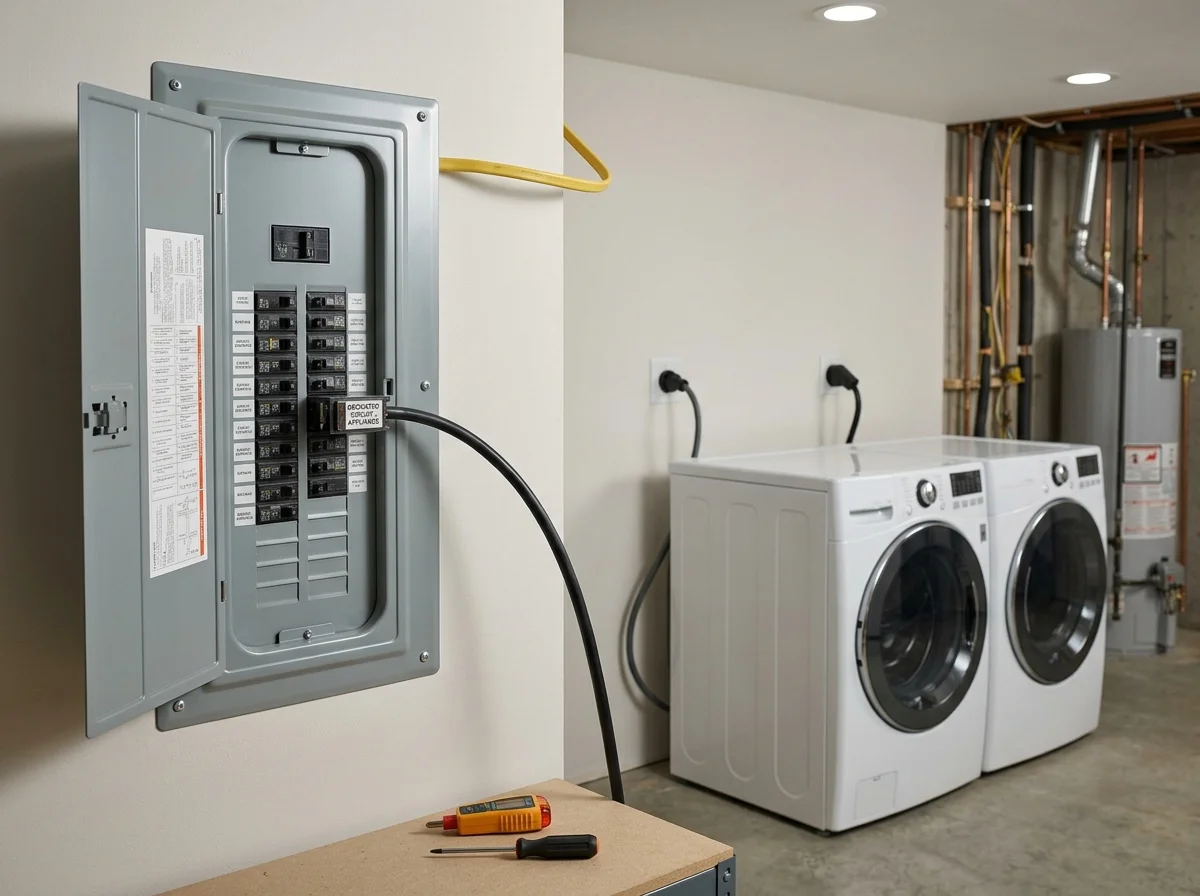
Maintain electrical panel properly. Keep panel accessible. Keep it clean. No debris around it. Good ventilation around panel. Panel needs yearly check. Professional should check. Panel is heart of electrical system. Keep it healthy.
Avoid Extension Cords for Permanent Use
Avoid extension cords for permanent use. Extension cords are temporary only. For temporary needs only. Long-term use causes problems. Fire risk. Shock risk. Replace with proper wiring. Run proper circuits. Don’t use extension cords permanently. Ever. Permanently installed cords only.
Extension cords overheat. Cause fires. Dangers.
Never Ignore Warning Signs
Never ignore warning signs. Smell present? Sparks visible? Warmth felt? Sounds heard? These are warnings. Pay attention. Call electrician. Early action prevents disaster. Saves home. Saves lives. Don’t wait. Don’t ignore.
Grounding Electrical System: Why It’s Critical
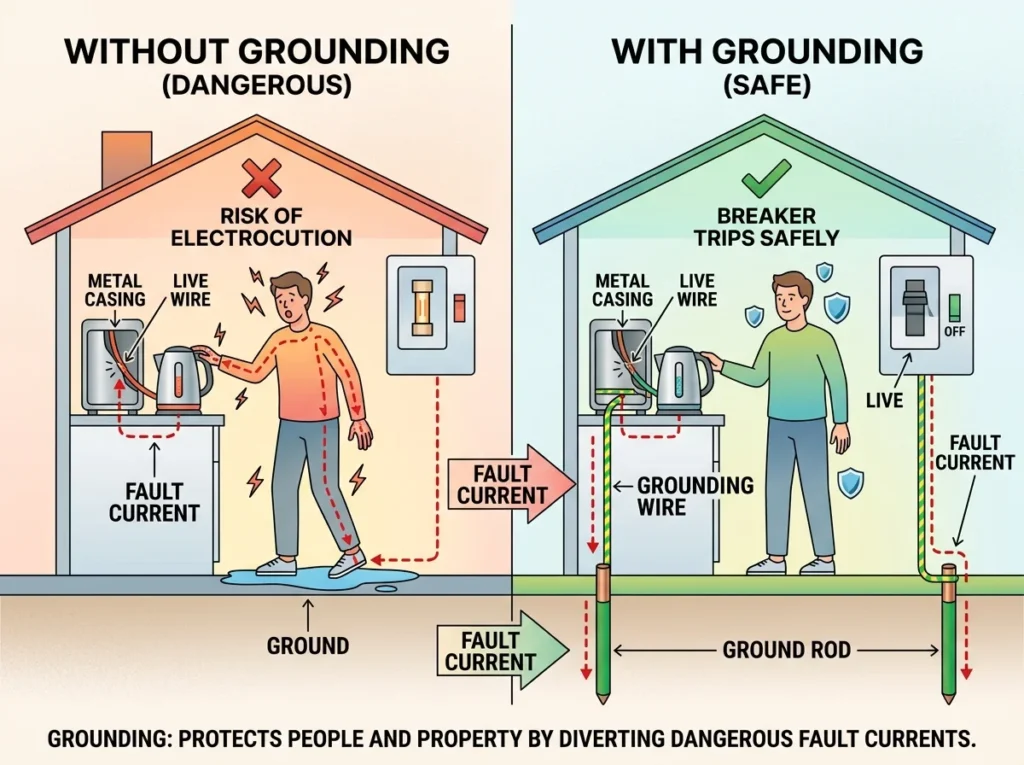
What Grounding Does
Grounding electrical system protects your life. Creates path for electricity. If fault happens. Electricity goes to ground. Not through you. Grounding saves lives. Critical safety feature. Very important. Extremely important.
Grounding is lifesaver. Literally.
How Grounding System Works
Proper grounding requires copper rod in ground. Wire from panel to rod. Path created. Electricity safely leaves home. Goes into earth. Copper rod goes 8 feet deep. Copper wire connects panel to rod. Path established. Safety created. Older homes might lack this. Very dangerous. Needs upgrade. Call electrician. Have it done.
Signs of Grounding Failure
Signs of grounding problems: frequent shocks from appliances. Tingling from touching things. Electrical problems everywhere. Indicates grounding failure. Call electrician. Have it checked. Might need upgrade. Might need repair. Get professional opinion.
Grounding failure is serious. Needs professional help.
GFCI Outlets Protect You
GFCI outlets are ground fault circuit interrupters. Special outlet detects ground faults. Shuts off power immediately. Protects you. Saves life. Required in bathrooms. Kitchens too. Laundry rooms. Wet areas need these. Essential safety feature. Install them everywhere.
GFCI outlets detect ground faults in milliseconds. Shut power off. Before you get hurt. Lifesaver.
Three-Prong vs Two-Prong Outlets
Three-prong outlets are grounded. Two-prong outlets aren’t grounded. Grounding protects you. If you have two-prong only. Consider upgrade to three-prong. Proper grounding is safety investment. Worth the money. Very worth it.
Three-prong outlets = safety. Two-prong outlets = risk.
When to Call Licensed Electrician Indianapolis
Call Immediately For These Issues
When electrical hazards appear, hiring a licensed electrician matters. Learn how to verify your electrician is licensed in Indianapolis before work begins.
Always call if burning smell.
Call for Home Inspection
Call for inspection if home is 50+ years old. Has aluminum wiring. Previous owner unknown. Original wiring unknown. Annual inspection recommended. Peace of mind. Professional assessment. Licensed electrician Indianapolis can assess. Recommend schedule. Call and ask.
Call for Electrical Upgrades
Call for upgrades when adding major appliance. Renovating kitchen. Adding circuits. Updating panel. Professional installation required. Ensures safety. Codes followed. Inspection passed. Call licensed electrician. Only option.
Call for Peace of Mind
Call for peace of mind anytime. Anything feels wrong. Anything concerns you. When in doubt. Call electrician. Better safe than sorry. Professional opinion matters. Worth the call. Very worth it.
FAQ About Electrical Hazards for Homeowners
When you spot electrical hazards, professional electrical repair services from licensed contractors ensure safe fixes and code compliance.
How often should I get electrical inspection Indianapolis?
Annually minimum. Older homes more frequently. Every 6 months maybe. After storms happen. After problems appear. Water damage. Lightning strike. Licensed electrician Indianapolis can assess. Recommend proper schedule. Call and ask. They’ll tell you.
What does residential electrical safety inspection include?
Visual inspection of all outlets. Testing outlets for grounding. Testing breakers for function. Checking electrical panel. Looking for hazards everywhere. Checking wiring. Checking connections. Checking for damage. Thorough assessment happens. Identifies all problems. Professional identifies issues you can’t see.
Can I use extension cords permanently?
No. Temporary only. For temporary needs only. Not for permanent. Long-term extension cords create hazards. Risk of fire. Risk of shock. Risk of damage. Run proper circuits instead. Don’t use extension cords permanently. Call electrician. Have proper wiring installed.
When to call an electrician for wiring issues exactly?
Immediately if: burning smell, sparks, shocks, frequent trips, warm outlets, buzzing sounds. Call within week if: flickering lights, breaker issues, discolored outlets, appliance problems. Schedule inspection if: concerned, home is old, want peace of mind, just moved in.
What are signs your home has electrical problems?
Flickering lights that flicker. Burning smell near outlets. Warm outlets to touch. Sparking from outlets. Frequent breaker trips. Shocks from outlets. Buzzing sounds. Discolored outlets. Any of these. Call electrician immediately. Don’t wait.
How to prevent electrical fires at home most important step?
Professional inspection finds problems. Identify all hazards first. Fix problems found. Prevents fire. Annual inspection is best prevention. Gets done yearly. Prevents disaster. Saves home. Saves lives.