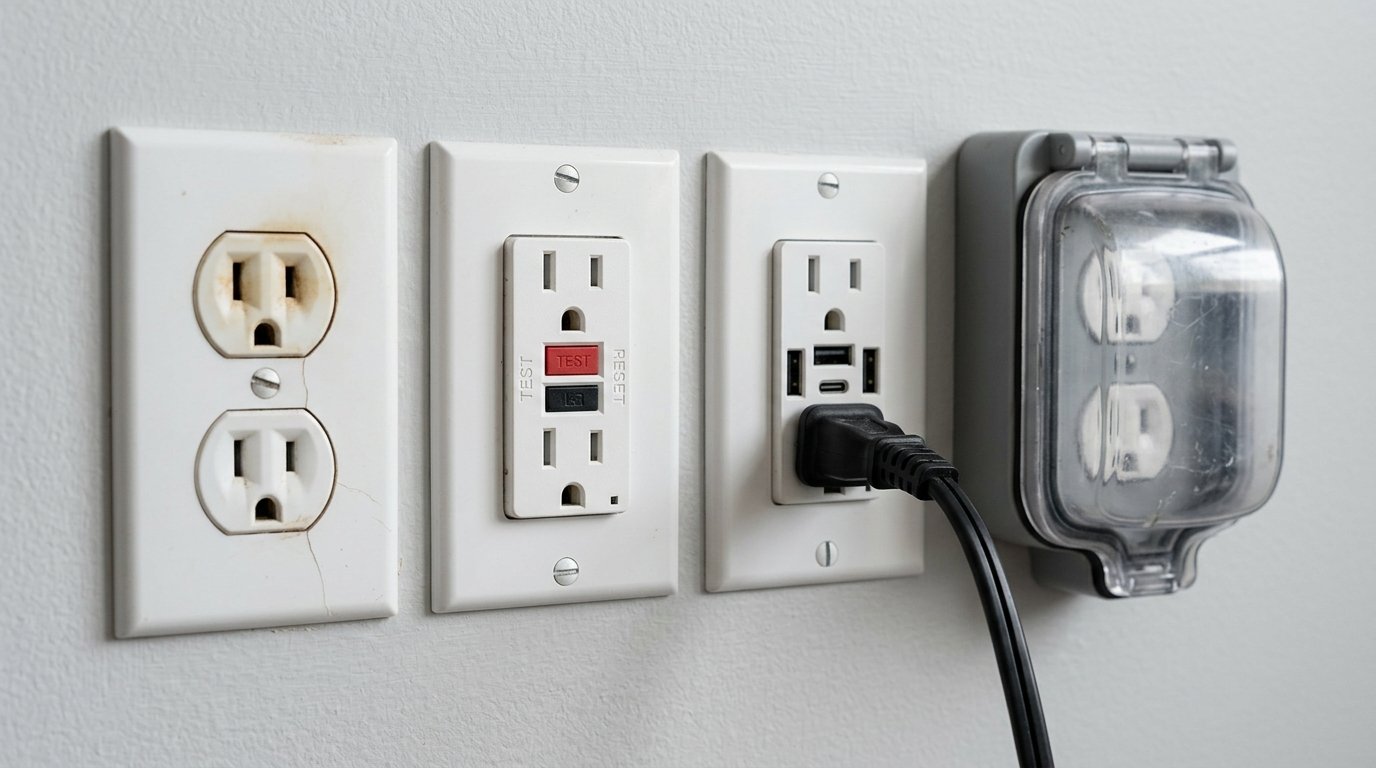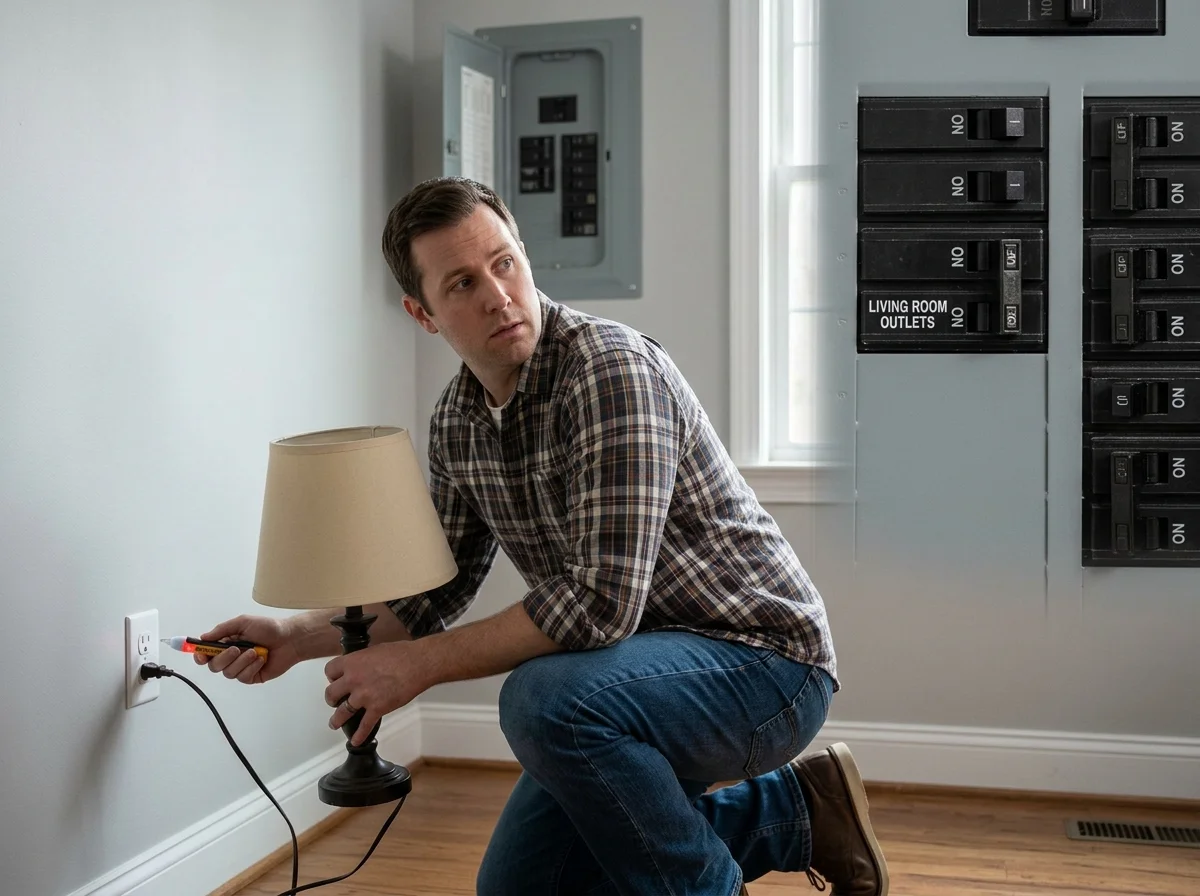
Flickering lights aren’t just annoying. They’re usually a warning. In a commercial building, flicker often means something bigger than a bad bulb. Maybe it’s an overloaded circuit. Maybe a breaker is wearing out. Sometimes the whole panel is just too old for the load it carries now. Commercial electrical systems require specialized troubleshooting, which is why many businesses rely on professional commercial electrical services for ongoing safety and reliability. This guide covers what actually causes LED flicker, why it hits offices and stores harder than homes, and when you need to stop guessing and call an electrician.
What Causes LED Lights to Flicker in Commercial Buildings?
LED flicker comes down to one thing. Power isn’t steady when it reaches the fixture. Old bulbs could shrug off small voltage swings. LEDs can’t. They react fast, so flicker shows up almost right away, even from a tiny power dip you’d never notice otherwise.
A few causes come up again and again. Loose wires. The wrong LED driver. Too much load on one circuit. A panel that’s been aging quietly for twenty or thirty years. Sometimes it’s just one bad fixture. Other times, it’s your whole building telling you it’s maxed out. The problem is, these all look the same from the outside. But the fix for each one is completely different.
Can a Loose Connection Cause LED Flicker?
Yes. It’s one of the most common reasons. Old lighting used to hide a loose connection pretty well. LEDs don’t hide anything. The second the connection is loose, you see it.
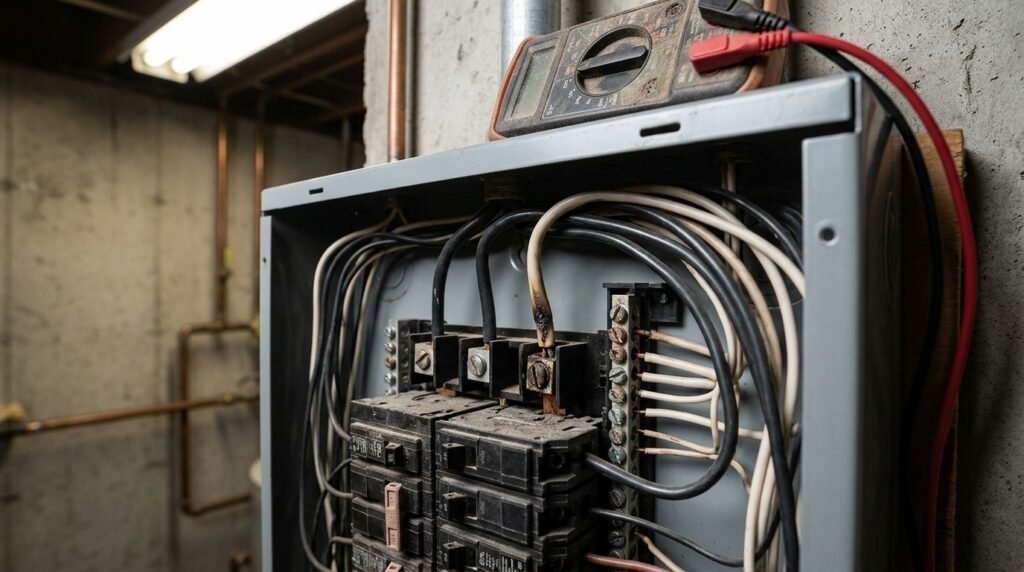
This often happens when something nearby vibrates. An HVAC unit turning on. Heavy foot traffic overhead. A piece of machinery running close by. Over time, that shaking works connections loose, at the fixture, in the junction box, even back at the panel. If your flicker comes and goes, especially when other equipment runs, start here. It’s usually a quick fix once someone finds it. But finding it safely still takes a pro. Older commercial properties may require wiring and rewiring services when damaged connections or outdated electrical systems are discovered.
Do Overloaded Circuits Cause Flickering Lights?
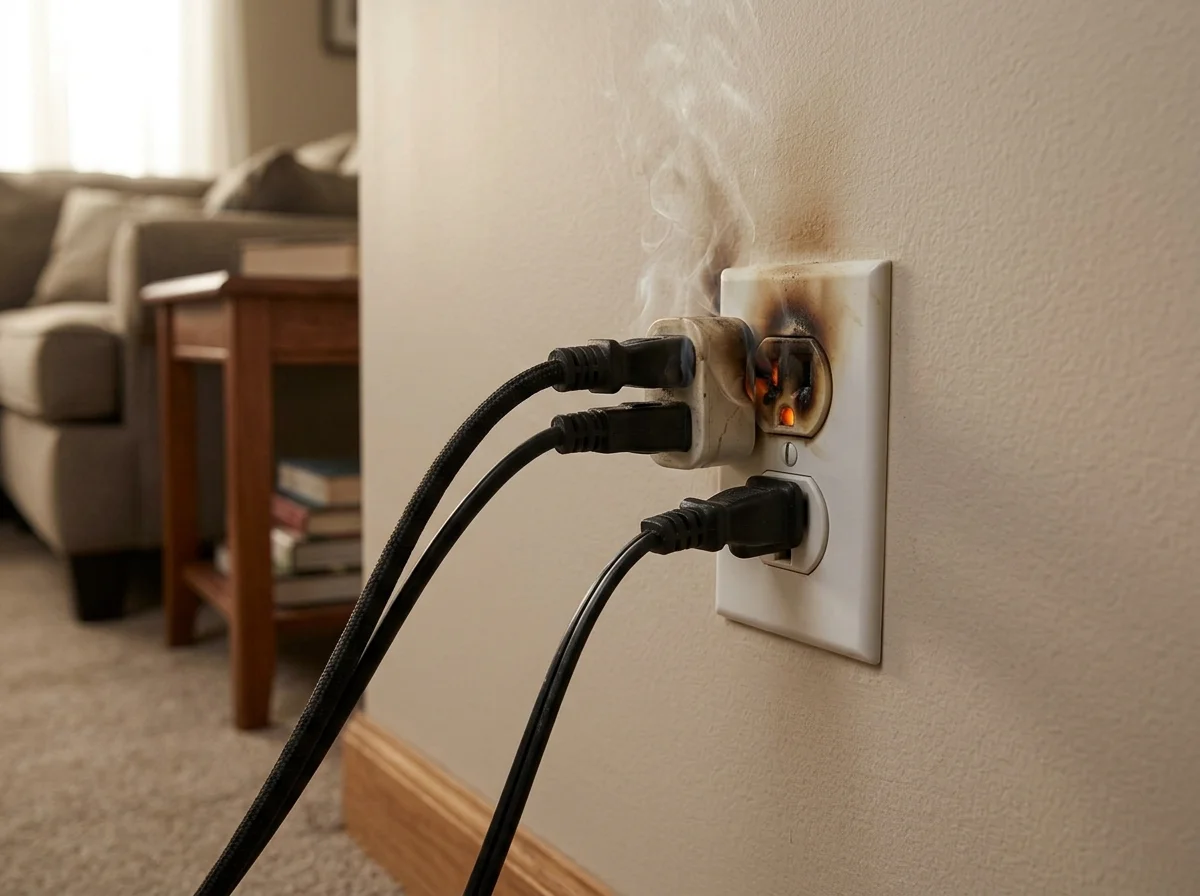
Yes, and it happens more than you’d think. Too many things plugged into one circuit means the wiring gets asked to carry more than it was built for.
You’ll notice the flicker gets worse right when other equipment kicks on. An HVAC system. A printer. Some piece of machinery. Ignore it long enough, and it won’t stop at flickering. Breakers start tripping. In bad cases, you’re looking at a real fire risk. If the flicker follows a pattern, certain hours, certain machines starting up, an overloaded circuit is likely your answer.
Why Do Failing Breakers Cause LED Lights to Flicker?
Breakers wear out slowly. As they age, they lose their grip on the current flowing through them. That instability passes straight to your lights. LEDs show it almost instantly.
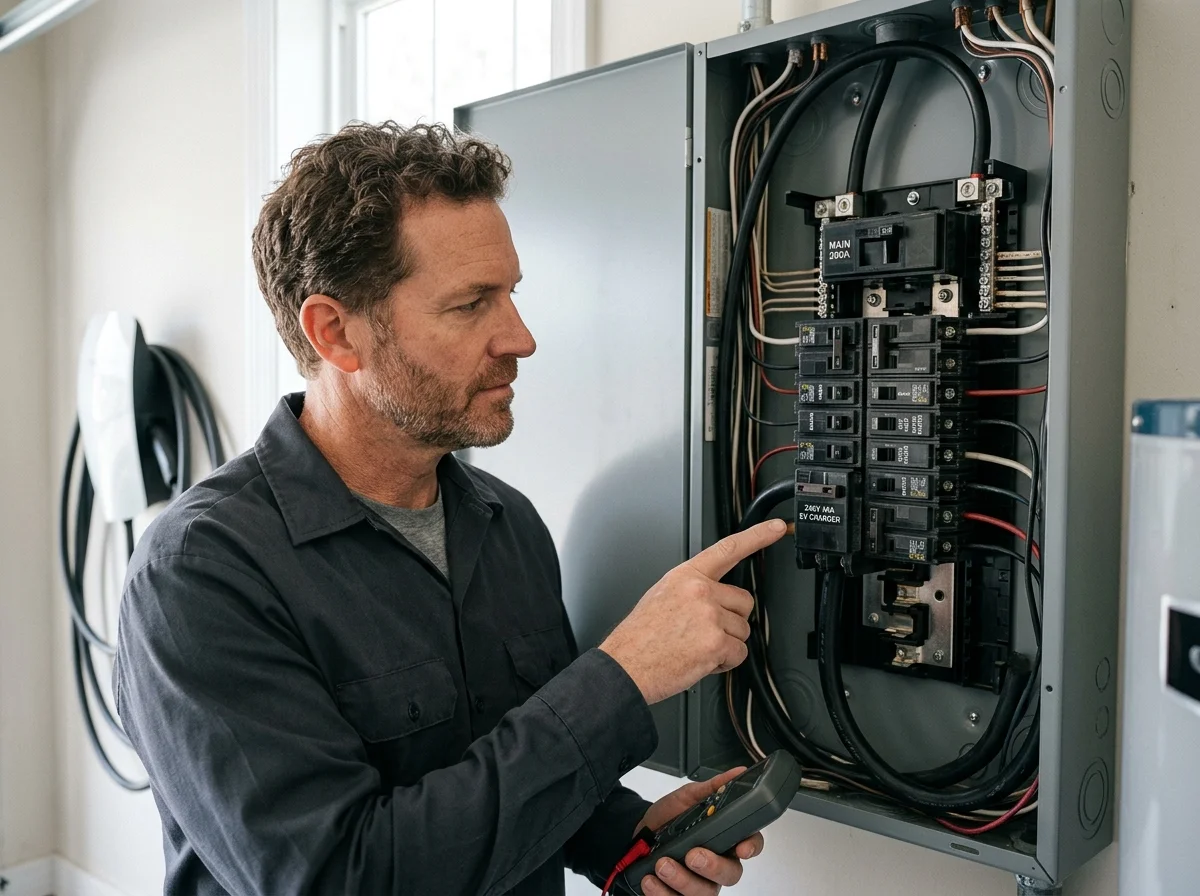
This shows up a lot in older buildings, where the panel hasn’t been touched in decades. A failing breaker rarely trips right away with a big dramatic moment. More often, it just lets slightly unstable power through for months. Quietly. Until something finally gives. If flicker spreads across the whole building instead of sticking to one spot, check the panel first. That’s usually where the real problem hides.
How Do Incompatible LED Drivers Affect Lighting Performance?
Every LED fixture needs a driver. It turns the power coming in into something the LED can actually use. Get the wrong driver for your circuit, your dimmer, or your fixture, and flicker is often the first thing you’ll see.
This happens a lot during partial lighting upgrades. A business puts in new LED fixtures but keeps the old dimmers or wiring. The mismatch shows up fast, sometimes within days. Cheap or faulty drivers can also pull uneven current, which can trip breakers as a safety response. Matching the driver to your actual fixtures isn’t optional. It’s the difference between an upgrade that lasts for years and one that causes headaches for months.
Are Aging Electrical Panels a Common Cause of Flicker?
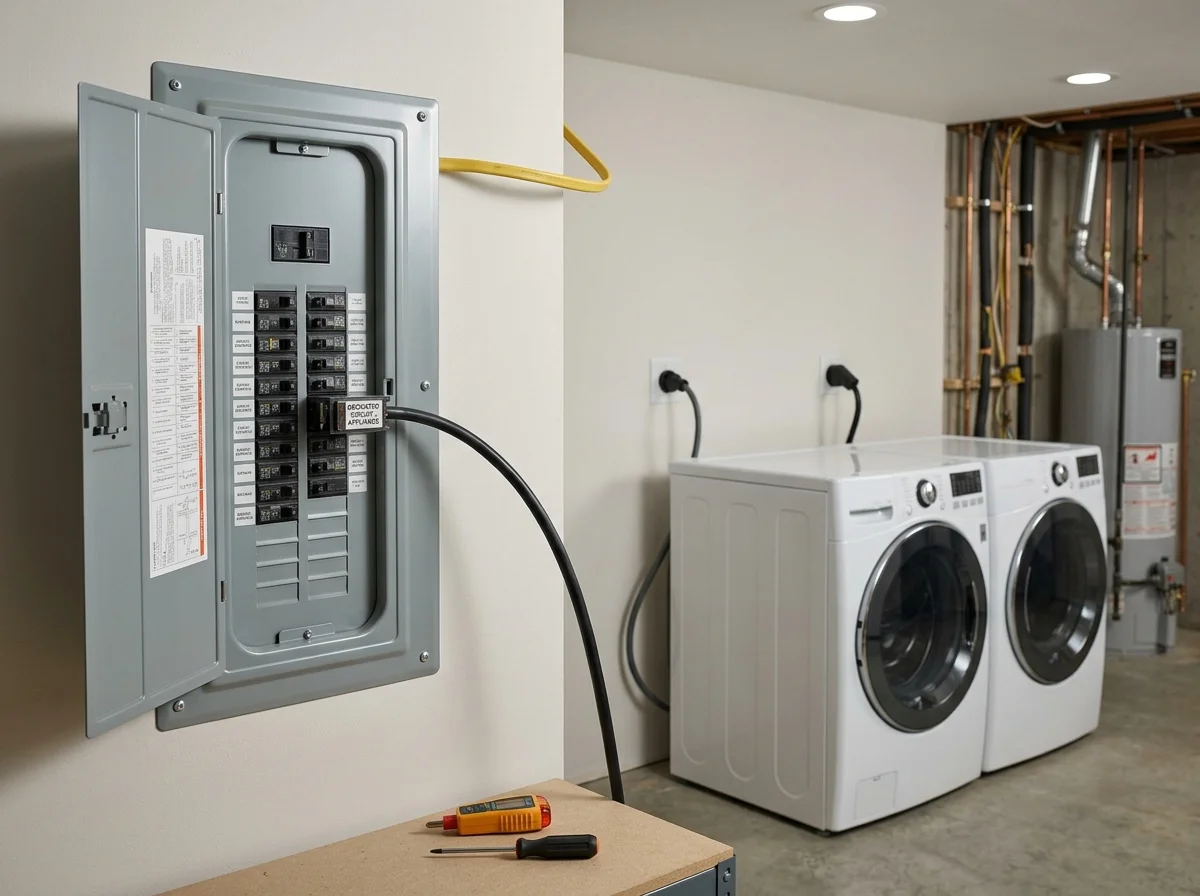
In older buildings, yes, very often. Panels installed decades ago were never built for what a modern space needs now. Computers, HVAC, LED lighting, all pulling from the same old system.
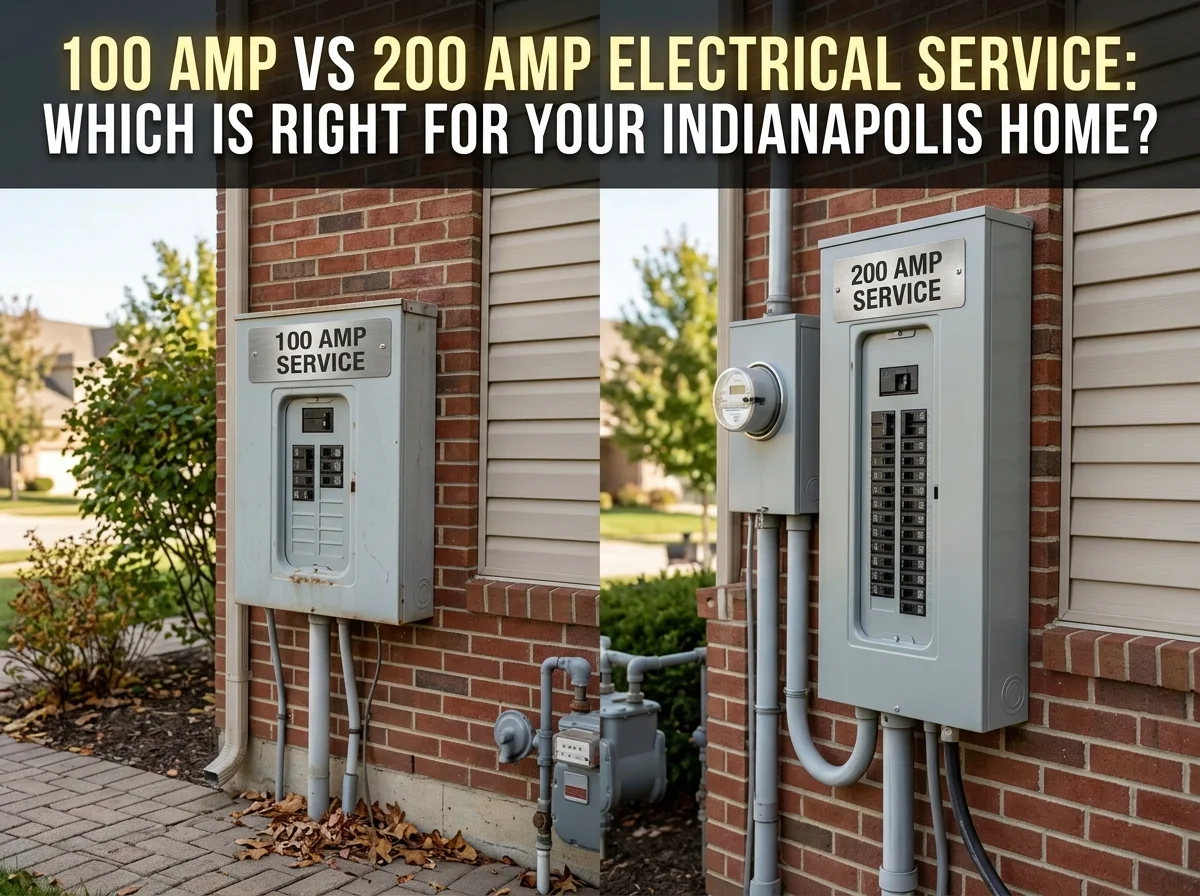
Old panels tend to make small problems worse instead of handling them. A minor overload that a newer panel would shrug off can show up as clear flicker on an old one. That’s part of why flicker complaints cluster in older buildings. The panel just wasn’t built for today’s load. And every year without an inspection, that gap grows. In some cases, an electrical panel upgrade is the safest solution when modern equipment exceeds the capacity of an older system. Additional loads such as EV charging stations can place new demands on older electrical systems and should be evaluated before installation.
Why Do Commercial Buildings See More LED Flickering Than Homes?
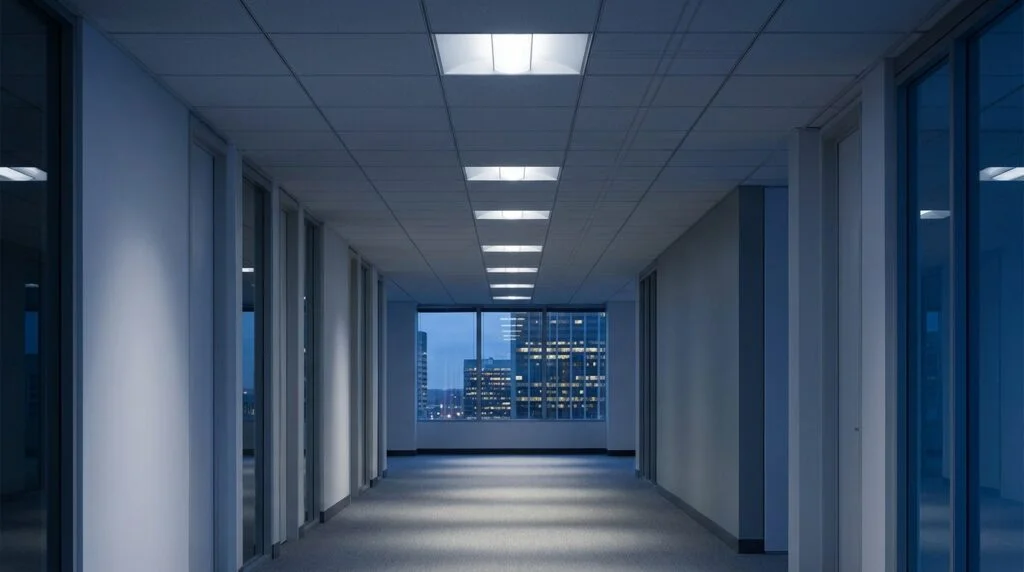
Commercial buildings run more complex electrical systems. That complexity gives flicker more places to sneak in. Lighting circuits often share space with other equipment, which creates voltage swings a home system rarely has to deal with.
Motion sensors, automated controls, daylight sensors, they can all cause quick on-off cycling that looks like flicker if they’re set up wrong. Offices notice it faster, too. People stare at screens under that same lighting all day. A flicker that would go unnoticed in a garage becomes a real complaint fast in a room full of workers.
What Happens When LED Upgrades Skip an Electrical Assessment?
A lot of flickering LEDs trace back to one thing. An incomplete upgrade. New fixtures go in on wiring nobody actually checked first. Problems show up fast.
This happens when a lighting project only focuses on the fixtures. No real check of circuit capacity. No dimmer testing. No panel review. It might look fine on install day. Give it a few weeks, though, and flicker, tripping, or power issues tend to follow. A real commercial lighting upgrade starts with an electrical check, not a fixture order. A properly planned lighting installation considers fixture compatibility, wiring capacity, controls, and long-term performance. Skip that step, and it almost always costs more to fix later.
When Should You Call a Licensed Electrician for Flickering Lights?
Call one if flicker hits multiple fixtures, keeps getting worse, or comes with breaker trips or buzzing sounds. Those aren’t bulb problems. Waiting rarely helps. Professional electrical repairs can identify whether the issue is a damaged connection, faulty component, or larger system problem.
What looks like a small lighting issue can actually be a load imbalance, a failing part, or a panel that’s breaking down. That puts your whole building’s electrical system at risk. A professional inspection tells you fast if it’s a simple fix or something bigger. Either way, getting a real answer early protects your equipment, your team, and your peace of mind.
Frequently Asked Questions
Is flickering LED lighting a fire hazard?
It can be, depending on the cause. Loose connections and overloaded circuits both create heat. That heat is a real fire risk if nobody deals with it. If flicker comes with warm switches, buzzing, or a burning smell, treat it as urgent. Shut off the circuit and call a licensed electrician instead of waiting to see if it clears up.
Can I fix flickering LED lights myself?
Some fixes you can handle on your own. Reseating a loose bulb. Swapping a single fixture. But commercial buildings run bigger, more complex systems. Anything tied to panels, shared circuits, or driver issues really needs a licensed electrician. Doing panel-level work without training isn’t just risky. It can also break local electrical code.
How much does it cost to fix flickering lights in a commercial building?
It depends on the cause. A loose connection or single fixture repair might cost a few hundred dollars. A full panel upgrade or rewiring an old building can run into the thousands. Your best first step is a professional inspection. It tells you exactly what’s wrong before you commit to any repair.
Why did my lights start flickering right after an LED upgrade?
Usually, the upgrade didn’t account for your building’s wiring. Incompatible dimmers. Drivers that don’t match the fixtures. Circuits nobody checked beforehand. These are the usual suspects. A qualified electrician can find the mismatch and fix it, often without touching the fixtures at all.
Does flickering lighting affect employee health or productivity?
It can, even when the flicker is subtle. Many reports link steady flicker to eye strain, headaches, and fatigue, especially in offices where people sit under the same lights for hours. Fixing flicker isn’t just about protecting your equipment. It makes the workspace more comfortable for everyone in it.
How often should commercial electrical panels be inspected?
Most commercial buildings do well with a check every one to three years. Older buildings, or ones with heavier electrical loads, often need it more often. Regular checks catch a weak breaker or loose wire before it turns into flickering, tripping, or something worse.