Most homeowners don’t realize they’re paying for a trip charge until the electrician’s invoice arrives. It’s one of those costs that catches people off guard. But here’s the thing electrician trip charges are completely normal and necessary in the electrical service industry. If you’re hiring a local electrician for residential work understanding what a trip charge is and why it exists can save you money and frustration.
What Is an Electrician Trip Charge?
A trip charge is a service fee that electricians charge just for showing up to your home. It’s not for any actual work. Think of it as a visit fee or diagnostic charge. Your electrician arrives at your Boulder home, assesses the problem, and discusses options with you. You pay this fee whether you hire them to do the work or not.
The trip charge covers several things. It pays for the electrician’s travel time, vehicle costs, and the time spent evaluating your electrical problem. They’re leaving their shop or their last job to come to you. Their time has value, just like your time does. Most electricians charge between $50 and $100 for a residential electrician service fee, though it varies by location and experience level.
Why Do Electricians Charge Trip Fees?
This is the question every homeowner asks. The answer is practical. Running an electrical business costs money. Your local electrician has overhead expenses fuel, vehicle maintenance, insurance, tools, and warehouse space. When they drive to your house, they’re using their resources.
Here’s what happens behind the scenes. An electrician typically handles 3 4 jobs per day. Each trip takes time. If they’re driving across Boulder to reach you, that’s 20–30 minutes round trip. That time isn’t spent earning money on billable work. The trip charge helps offset that cost.
It also protects electricians from no-shows and cancellations. If someone books a service call and then cancels at the last minute, the electrician has already allocated their time and driven to your neighborhood. The trip charge discourages flaky scheduling.
Think of it like visiting a doctor’s office. You pay a visit fee even before the doctor examines you. Electricians operate the same way. The trip charge is industry standard, not a scam.
What’s Included in a Residential Electrician Service Fee?
When an electrician arrives at your home, they’re doing more than just looking. They’re performing a professional electrical inspection and evaluation. Here’s what a typical service call includes:
The Diagnostic Process
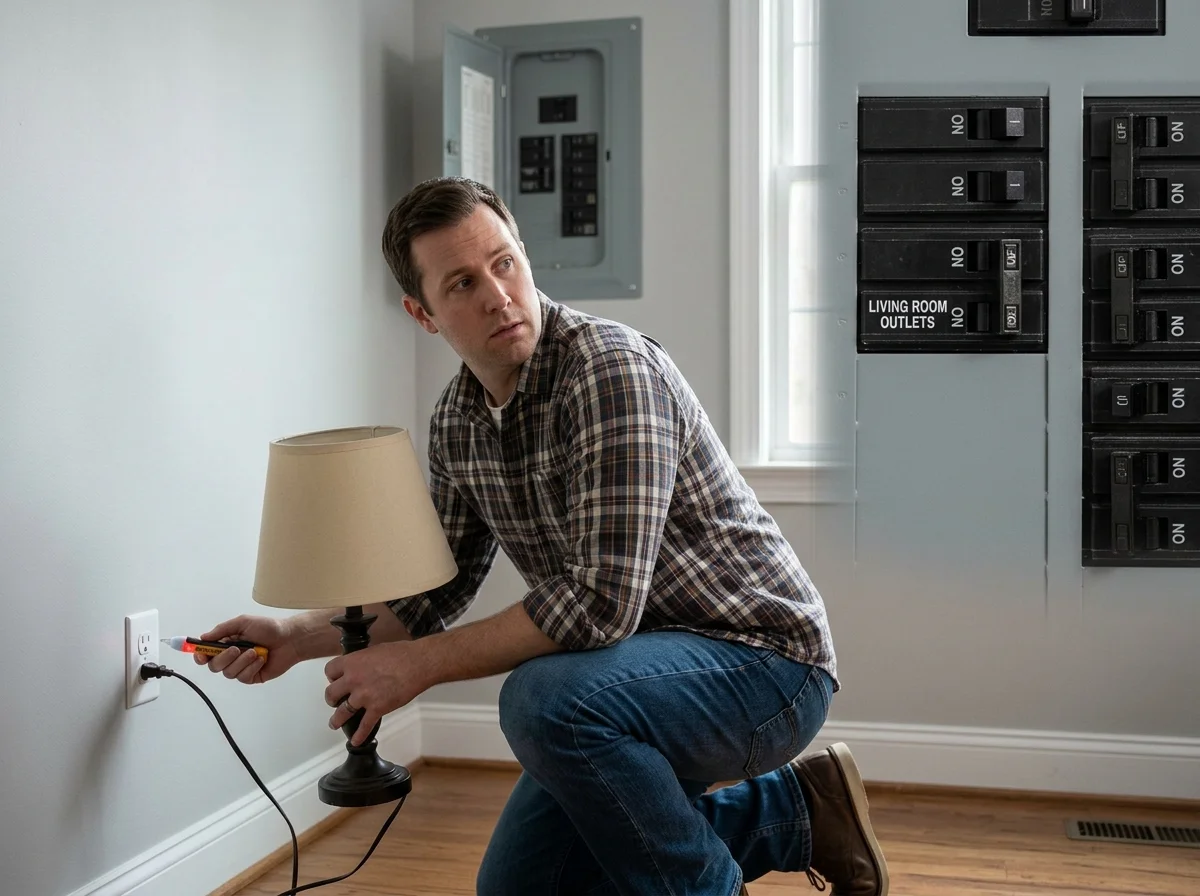
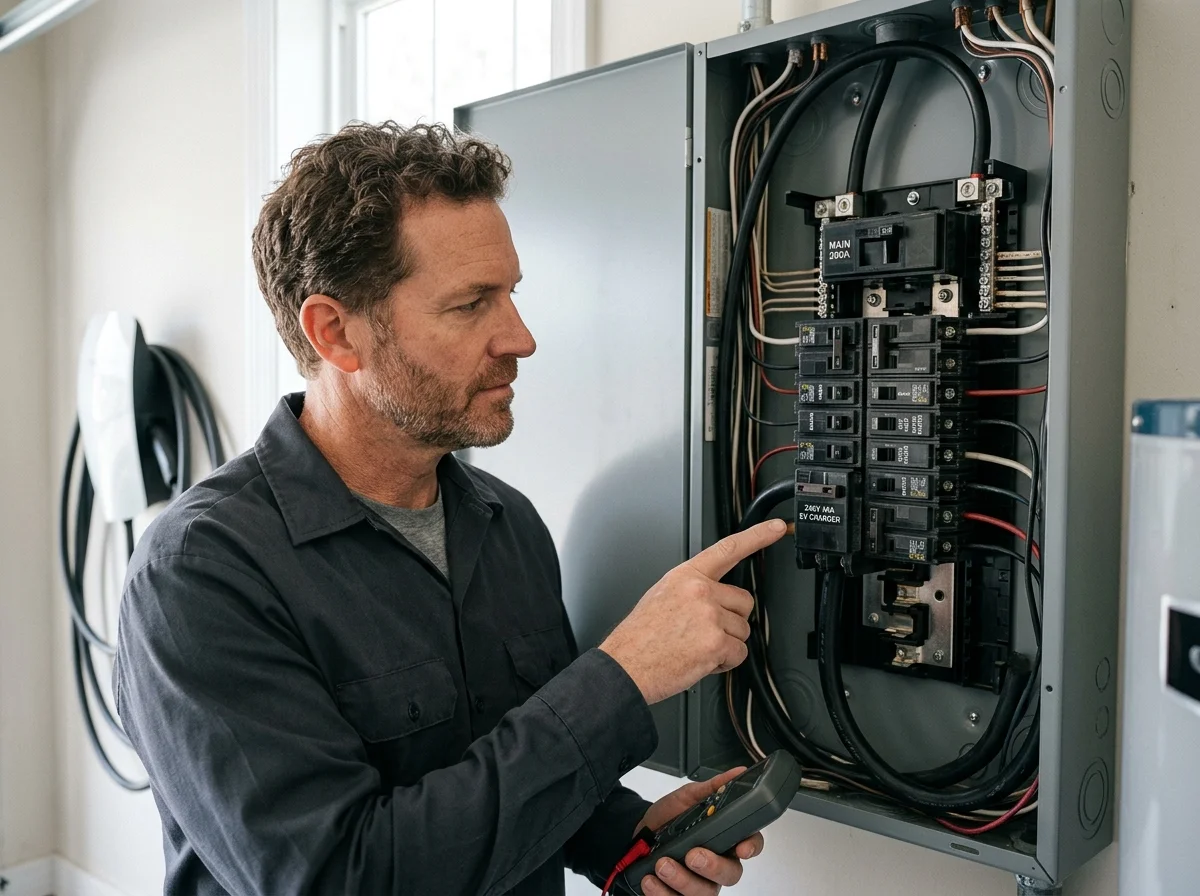
Your electrician will assess the problem you described. They’ll inspect outlets, switches, circuit breakers, and wiring. They’ll test voltage and check for safety issues. This takes 15–45 minutes depending on complexity. It’s skilled work requiring knowledge and experience.
Professional Recommendations
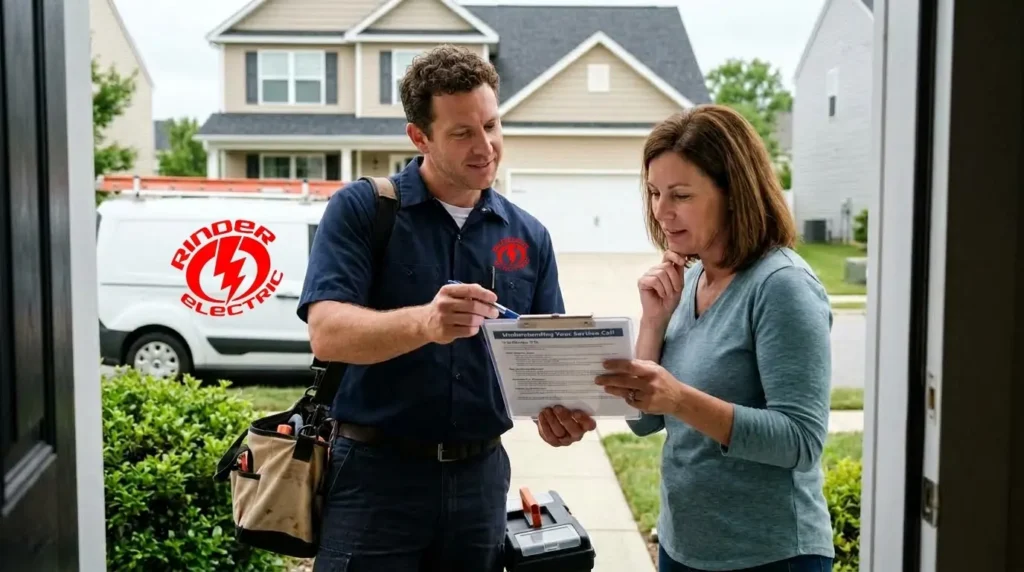
After the evaluation, they’ll explain what they found. They’ll discuss repair options, replacement options, and estimated costs. This consultation is valuable. You’re getting expert advice from someone licensed and insured.
Written Estimate
Most electricians provide a written estimate for the repair work. This document breaks down labor, materials, and timeline. It’s based on their on-site findings, not a phone quote.
Safety Assessment
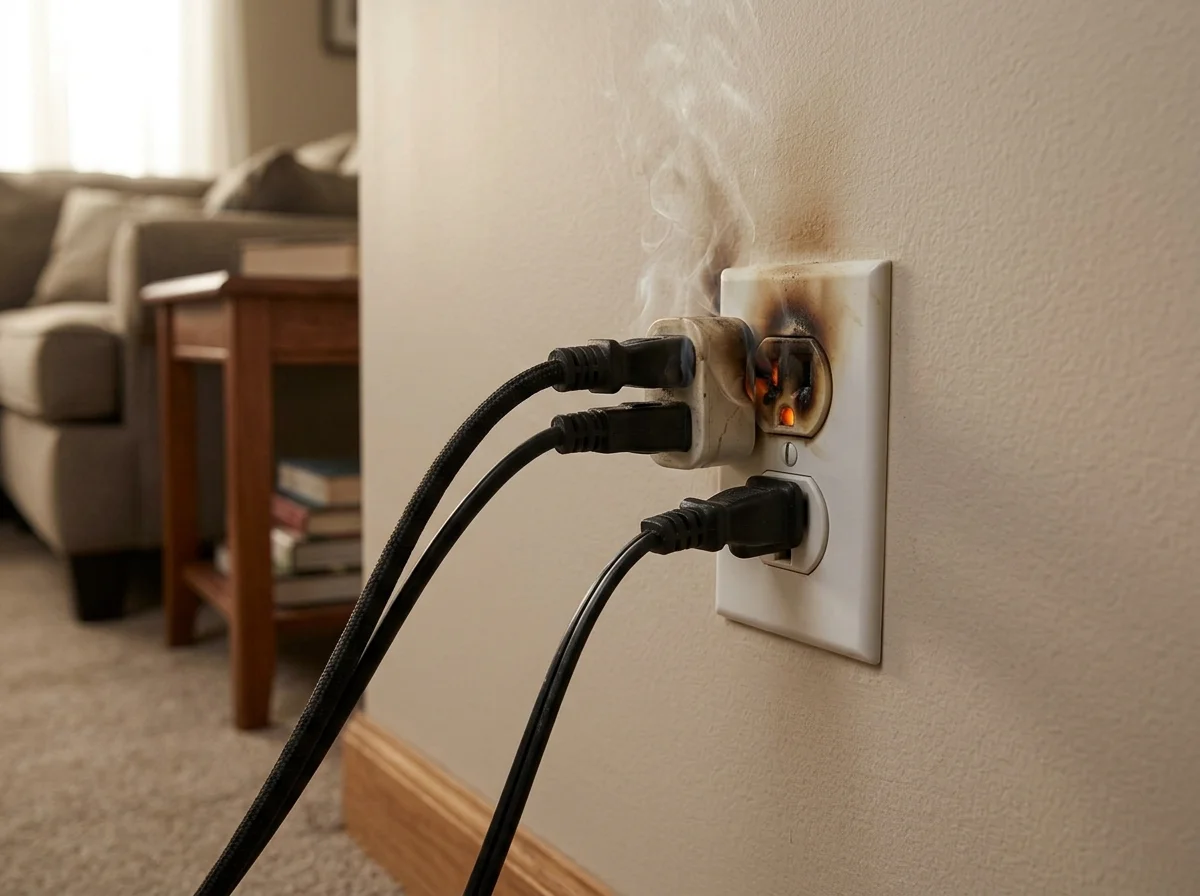
Electricians are trained to spot hazards. They might notice that your wiring is outdated, your panels are overloaded, or you’re at risk for electrical fires. These safety concerns wouldn’t show up without an in-person visit.
How Much Does a Trip Charge Cost?
Electrician hourly rates and trip charges vary. But here’s what you can expect in most markets. A typical trip charge ranges from $50 to $150 for residential work. Boulder electricians may charge at the higher end because of the local cost of living.
Some factors that affect the price:
Experience Level Journeymen electricians charge more than apprentices. Master electricians charge more than journeymen. You’re paying for expertise.
Time of Day Evening or weekend calls often cost more. Emergency calls on holidays might cost significantly more.
Distance If you live far from their warehouse, expect a higher trip charge. Urban areas typically cost less than rural areas.
Company Size Large companies with heavy overhead charge more than small shops. Overhead costs get passed to customers.
Local Market Rates What electricians charge in Boulder differs from what they charge in smaller Colorado towns. Competition and demand affect pricing.
Here’s the key: Most electricians will credit the trip charge toward any repair work you hire them to do. So if the trip charge is $85 and the repair costs $300, you pay $215 for labor plus materials. You’re not paying twice.
Can You Avoid an Electrician Trip Charge?
Yes, there are legitimate ways to minimize or avoid trip charges. Not all situations apply to everyone, but knowing these options helps.
Get Bundled Work Done If you have multiple electrical issues, fix them all in one visit. This maximizes the value you get from that one trip charge. One visit for three problems is smarter than three separate visits.
Ask About Service Plans Some local electricians offer annual maintenance plans. These plans often include complimentary diagnoses or discounted service fees. If you own an older home with regular electrical issues, a plan might make sense.
Call During Business Hours Emergency calls cost more. Calling during standard hours—weekday mornings or early afternoons—typically has lower trip charges. If it’s not truly an emergency, wait until morning.
Shop Around Different electricians charge different fees. Call three local contractors and ask their trip charge upfront. You might find someone competitive. Don’t just pick the cheapest, though. You want licensed, insured professionals.
Ask About the Credit Always confirm that the trip charge gets credited toward repair work. Reputable electricians do this automatically. It’s the standard practice.
Request an Estimate by Phone First For simple issues, some electricians will quote a repair price over the phone without visiting first. If you accept the quote, there’s no trip charge. This doesn’t work for complex problems, but it’s worth asking.
Electrician Hourly Rate vs. Trip Charge: What’s the Difference?
Many homeowners confuse these. They’re different things, and understanding the difference matters.
The Trip Charge This is a one-time fee for the visit and diagnosis. It covers arrival, assessment, and recommendations. You pay it once, regardless of how long the electrician is there. It ranges from $50–$150.
The Hourly Rate This is the cost for actual repair work. Once the electrician starts fixing the problem, the meter runs. Electrician hourly rates in Colorado typically range from $75–$150 per hour depending on experience and location. This pays for labor, tools, and expertise during hands-on work.
How They Work Together An electrician comes to your home (trip charge of $85). They diagnose the problem (included in trip charge). You agree to the repair. They work for two hours fixing it (2 × $85/hour = $170 labor). Materials cost $45. Total: $85 + $170 + $45 = $300. Some electricians credit the $85 trip charge, so you’d actually pay $215 plus materials.
The trip charge isn’t extra on top of labor. It’s a separate component of your electrical service charges that covers the initial visit.
Finding the Right Local Electrician in Boulder
Not all electricians are equal. When you’re hiring someone to work on your home’s electrical system, you want qualified professionals who provide written estimates and transparent pricing. Here’s how to find the right local electrician.
Verify Licensing Ask for their Colorado electrician license number. Call the state to verify it’s current. Licensed electricians have met training requirements and passed exams. It matters.
Check Insurance Ask for proof of liability insurance and workers’ compensation. If someone gets hurt at your house, you could be liable without proper coverage. Insured professionals protect you.
Read Reviews Google reviews and BBB ratings give you real feedback from past customers. Look for comments about professionalism, punctuality, and honest pricing. One bad review is normal. A pattern of complaints is a red flag.
Get Multiple Quotes Call at least three Boulder electricians and ask for written estimates. Compare their trip charges, hourly rates, and service terms. Don’t hire based solely on price, but do understand what you’re paying for.
Ask About the Trip Charge Upfront Before they arrive, ask if the trip charge credits toward repairs. Ask about guarantees or warranties on their work. Transparent communication saves headaches later.
Check for Transparent Pricing Good electricians explain their pricing clearly. They don’t hide fees or surprise you with extra charges. If something feels unclear, ask questions.
FAQS
How Much Should an Electrician Trip Charge Cost?
Most electricians charge between $50 and $150 for a residential service visit. Boulder area rates lean toward the higher end, typically $85–$125. The trip charge covers diagnostic time, travel, and professional evaluation. It’s usually credited toward repair work if you hire them. Don’t assume cheaper is better—you want experienced, licensed professionals. Compare quotes from at least three local electricians and verify their licensing and insurance before deciding.
Does a Trip Charge Apply If I Don’t Hire Them?
Yes, in most cases. You’re paying for their time and expertise in diagnosing the problem, not for hiring them to fix it. However, some electricians waive the trip charge if you agree to hire them on the spot. Others credit it toward future work. Always confirm the policy before they arrive. Ask directly: “Will I pay this if I decide not to hire you?” Reputable electricians are clear about this upfront. It protects both sides and prevents misunderstandings.
Can I Negotiate a Lower Trip Charge?
You can ask, but don’t expect deep discounts. Electricians set trip charges based on legitimate business costs. What you can do is bundle services. If you have multiple electrical issues, fixing them together makes one trip charge cover more work better value for you. You can also call during business hours instead of evenings or weekends to avoid premium pricing. Building a long-term relationship with a local electrician sometimes leads to loyalty discounts. But nickel-and-diming a professional electrician damages the relationship and the service quality you’ll receive.
Why Does My Electrician Trip Charge Seem High Compared to Other Trades?
Electricians charge more than some other trades because electrical work is specialized and regulated. They’ve completed apprenticeships, passed licensing exams, carry insurance, and maintain expensive tools and equipment. They’re also liable if something goes wrong. A plumber’s trip charge might be similar. HVAC technicians charge comparable fees. You’re paying for skill, safety, and accountability. Cheap isn’t always better when electricity is involved. Protecting your home and family is worth proper professional service.
What If the Electrician’s Estimate Is Higher Than Expected?
Ask for a breakdown. What labor costs are included? What materials? How many hours does the job take? Legitimate electricians explain their estimates in detail. If you’re shocked by the price, get a second opinion from another local electrician. Don’t assume the first estimate was wrong sometimes electrical problems are more complex than they appear. But comparing estimates from different professionals gives you perspective. You might discover one electrician has a more efficient solution or better pricing. Getting multiple quotes is always smart when repair costs are high.