A tripped circuit breaker is your home’s way of saying something’s wrong. It’s not a bug it’s a feature. But when your circuit breaker keeps tripping repeatedly, it gets annoying fast. You flip it back on. Five minutes later, it trips again. This isn’t normal, and ignoring it won’t help.
The good news Most circuit breaker repair have simple explanations. Some you can fix yourself. Others need a licensed electrician. Here’s what you need to know about what causes this and how to handle it safely.
What Does a Circuit Breaker Actually Do?
Your circuit breaker is a safety device that protects your home. Think of it like a guard at the door. When too much electricity flows through a wire, the breaker detects it and shuts the circuit off immediately. This prevents electrical fires, damaged appliances, and electrical shocks.
Every circuit breaker has a maximum capacity. Your bedroom circuit might be rated for 15 amps. Your kitchen circuit? Usually 20 amps. When devices on that circuit pull more power than the rating allows, the breaker trips. The switch flips to the off position, cutting power to that entire circuit.
This system has been protecting homes for decades. It’s simple but incredibly effective. Without circuit breakers, overloaded wiring could heat up and start fires inside your walls. Your electrical panel inspection should always check that breakers are functioning correctly.
Why Your Circuit Breaker Keeps Tripping
There are several reasons why a circuit breaker keeps tripping in homes. Understanding the cause is the first step toward fixing it. Let’s break down the most common culprits.
Too Many Devices on One Circuit
The most common reason You’re pulling too much power from one circuit. Plug your microwave, coffee maker, toaster, and space heater into the same outlet, and something’s going to give. The circuit can’t handle all that demand at once.
This happens more often in older homes. Longmont has plenty of houses built in the 1970s and 80s. These homes often have fewer circuits than modern electrical codes require. Kitchen outlets especially get overloaded. People want to use multiple appliances simultaneously, but the circuit wasn’t designed for that.
The fix is straightforward. Unplug some devices. Use different outlets on different circuits. Or don’t run power-hungry appliances at the same time. If this keeps happening, you might need circuit breaker repair or additional circuits installed.
Short Circuits and Electrical Faults
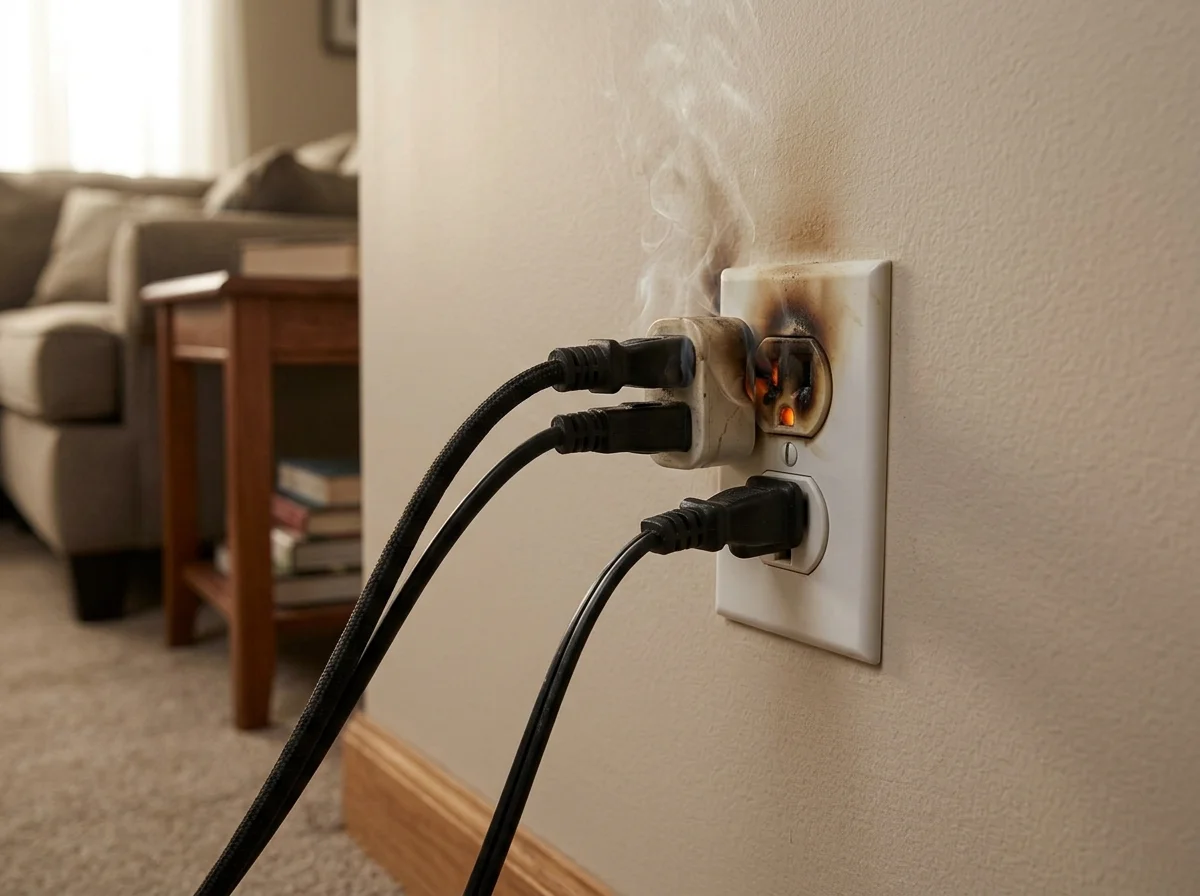
A short circuit is more serious. It occurs when a hot wire touches a neutral wire or ground. This creates a massive surge of electricity, and your breaker trips instantly as it should.
Short circuits happen for several reasons. Damaged insulation around wires is common. Rodents chewing through wire insulation can cause this. Water damage from leaks can expose wiring and create shorts. Loose connections in your electrical panel also cause shorts.
If you suspect a short circuit, don’t keep flipping the breaker on. Turn it off and call an electrician. Short circuit repair isn’t a DIY job. It requires finding the damaged wire or connection and fixing it properly. An electrical wiring repair should always be done by a licensed professional.
Ground Faults in Your Home
A ground fault is similar to a short circuit but slightly different. A ground fault happens when a hot wire touches a grounded surface or conductor. This could be a metal pipe, the frame of an appliance, or the ground wire itself.
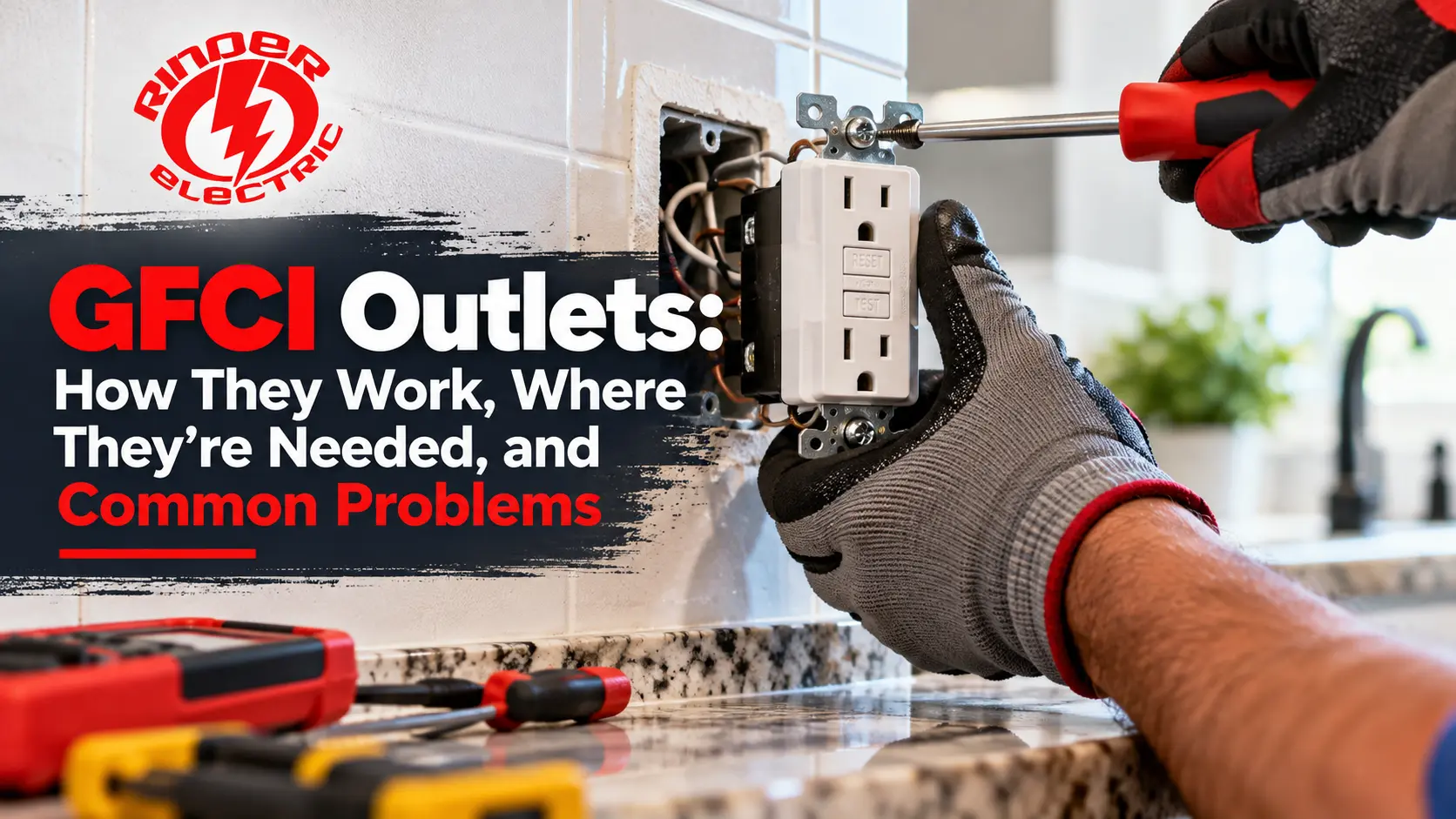
Ground faults are especially dangerous. They can cause electrocution. If you’re touching something metal when a ground fault occurs, the electricity could flow through you. This is why GFCI outlets exist. They detect ground faults and cut power instantly.
If you notice your breaker tripping when water is nearby (kitchen, bathroom, garage), you might have a ground fault. This definitely warrants an electrical panel inspection from a professional electrician.
A Faulty Circuit Breaker Itself
Sometimes the breaker itself is the problem. Breakers can wear out. After years of tripping and resetting, the internal mechanism can fail. A bad breaker might trip even when the circuit isn’t overloaded.
How can you tell? If the breaker trips even when nothing is plugged in or turned on, the breaker is likely defective. You need a professional to confirm this and replace it. Circuit breaker replacement is simple for a licensed electrician but shouldn’t be attempted by homeowners.
How to Fix a Tripped Circuit Breaker
Before trying anything, understand this: circuit breaker repair involves your home’s electrical system. Mistakes can cause fires or electrocution. When in doubt, call a professional. That said, here’s how to safely handle a tripped breaker.
Step One: Identify Which Breaker Tripped
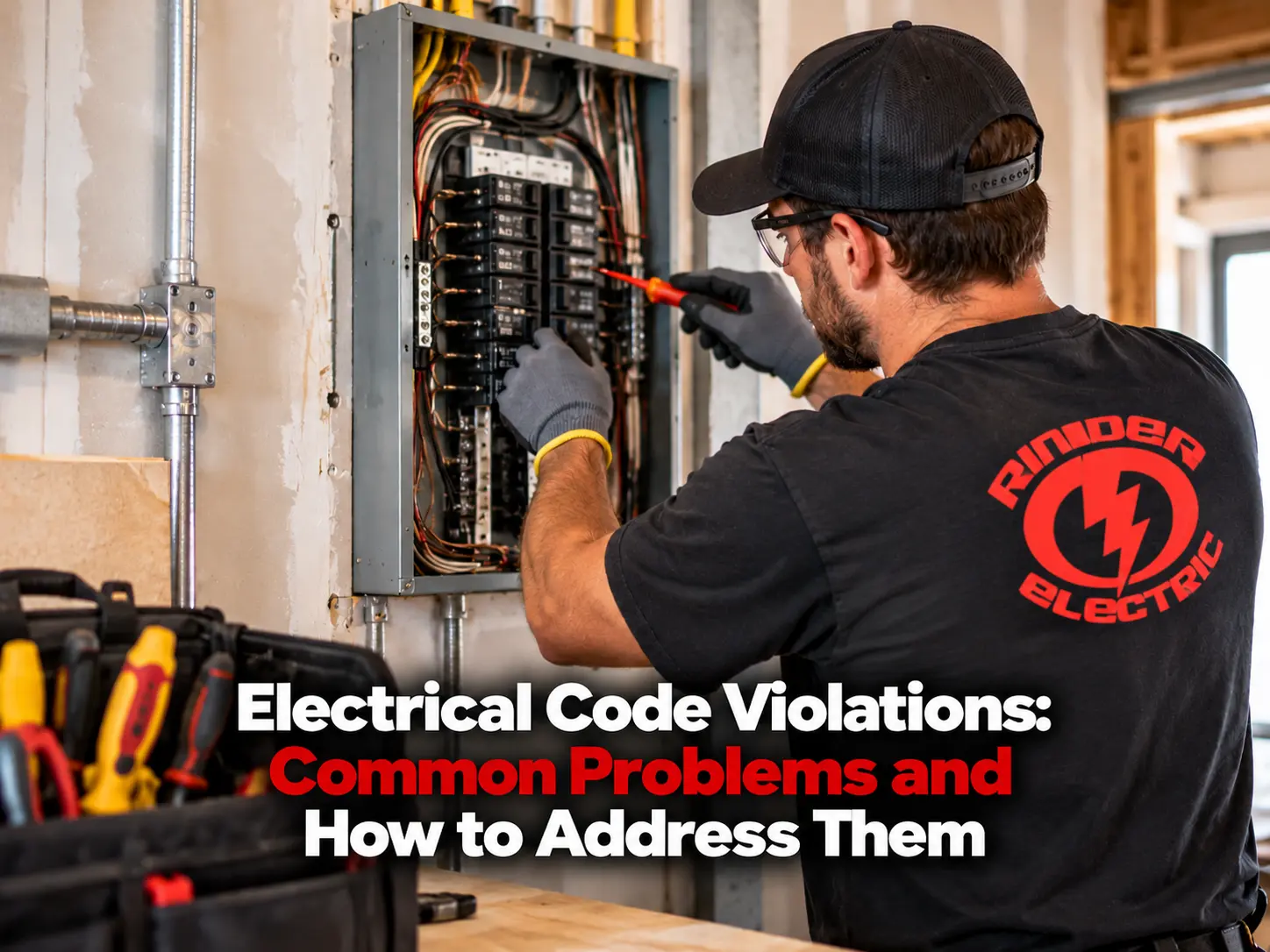
Look at your electrical panel. The breaker that tripped will be in the middle position—not fully on or off. It looks different from the others. Write down which circuit it is. Your panel should have labels telling you what’s on each circuit.
Step Two: Turn Off the Devices
Don’t just flip the breaker back on. First, unplug or turn off devices on that circuit. If the breaker tripped from overload, turning things off prevents it from tripping immediately again. This gives you time to figure out what went wrong.
Step Three: Reset the Breaker
Flip the breaker all the way to off first. Then flip it back on. It should click into position. If it trips again immediately, stop. Don’t keep trying. This indicates a more serious problem.
Step Four: Call a Professional If Needed
If the breaker keeps tripping no matter what you do, call an electrician in Longmont. Repeated tripping means something is wrong that you can’t easily fix. Your electrical panel inspection might reveal faulty wiring, a bad breaker, or a serious short circuit.
When to Call an Electrician
Knowing when to DIY and when to call a pro is crucial. Here’s a simple rule: if you can’t figure out the problem, call an electrician. Don’t guess with electricity.
You definitely need professional help if:
The breaker trips constantly, even with nothing plugged in. This suggests a short circuit or bad breaker. Your circuit breaker repair person can diagnose and fix it.
You smell burning plastic or see scorch marks inside your panel. Stop. Turn off the main breaker. Call an electrician immediately. Don’t wait.
You notice one circuit frequently overloads. You might need additional circuits installed. Electrical wiring repair and installation requires proper permits and inspection.
Water is damaging your electrical system. Wet electrical work is dangerous. A professional needs to dry things out and repair safely.
You’ve had multiple circuit breaker keeps tripping incidents in different areas of your home. This could signal broader issues with your electrical system.
How to Prevent Circuit Breaker Issues
Preventing problems is easier than fixing them. Here are some practical steps.
Stop using so many high-wattage devices at once. In the kitchen, don’t run the microwave, coffee maker, and space heater simultaneously. Stagger their use.
Have your Boulder or Longmont home’s electrical system inspected regularly. An Electrical panel inspection every few years catches problems early. Old wiring, loose connections, and wear show up during inspection.
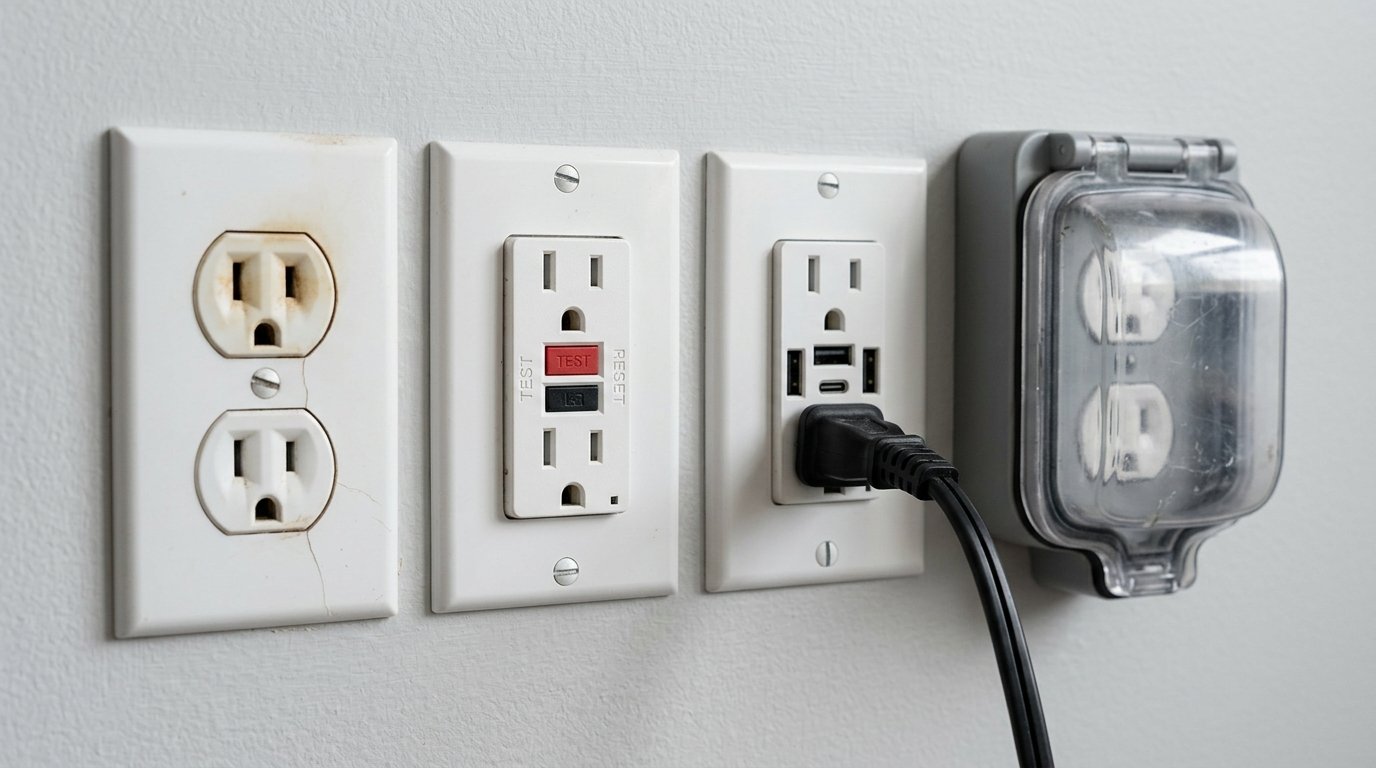
Install GFCI outlets in kitchens, bathrooms, and outdoor areas. These outlets detect ground faults and prevent serious electrical incidents.
Don’t overload outlets with too many power strips. Each outlet has a limit. Distribute devices across multiple circuits and outlets.
Keep water away from electrical areas. Fix leaks promptly. Ensure your basement electrical panel is dry and protected.
FAQS
Still confused Here are answers to common questions homeowners ask about circuit breakers and electrical repair.
How Much Does Circuit Breaker Repair Cost?
Replacing a circuit breaker usually costs $150 to $300 in Longmont. If you have a short circuit or damaged wiring, the cost rises. You’re paying for diagnosis, parts, and labor. Get a quote before work starts.
Can I Replace a Circuit Breaker Myself?
Technically, no. Most areas require a licensed electrician. Working inside an electrical panel is dangerous. Even if the main breaker is off, some parts remain live. Leave this to professionals.
How Often Should I Have My Panel Inspected?
Every 3 to 5 years is good practice for Longmont homes. Older homes should be inspected more frequently. During inspection, electricians check for loose connections, corrosion, wear, and code violations.
What’s the Difference Between a Tripped Breaker and a Ground Fault?
A tripped breaker is a general safety response to overload or short. A ground fault is a specific type of electrical fault. Ground fault circuit interrupter (GFCI) outlets detect ground faults specifically. Regular breakers detect overloads and shorts. GFCI outlets are more sensitive.
Why Does My Breaker Trip in Bad Weather?
Moisture, humidity, and lightning can affect electrical systems. Water exposure can cause shorts. Lightning strikes nearby can damage wiring. If this happens, have an electrician inspect for damage.
Is It Safe to Reset a Tripped Breaker Repeatedly?
No. If a breaker keeps tripping, something’s wrong. Repeatedly resetting it doesn’t fix the problem. It just masks the issue. You’re allowing faulty wiring to stay in place, which is a fire hazard.
Conclusion
Your circuit breaker keeps tripping because something needs attention. Maybe it’s just overloading. Maybe it’s something serious like a short circuit or bad breaker. The only way to know for sure is to investigate or call a professional.
Don’t ignore this issue. Electrical problems don’t fix themselves. They usually get worse. A small problem today becomes an expensive repair tomorrow. Worse, it becomes a fire hazard.
If you’re in Longmont or Boulder and your circuit breaker needs attention, contact a licensed electrician. They’ll diagnose the problem, explain what’s happening, and fix it right. Your home’s safety depends on your electrical system working correctly.
Stop flipping that breaker. Start solving the real problem.