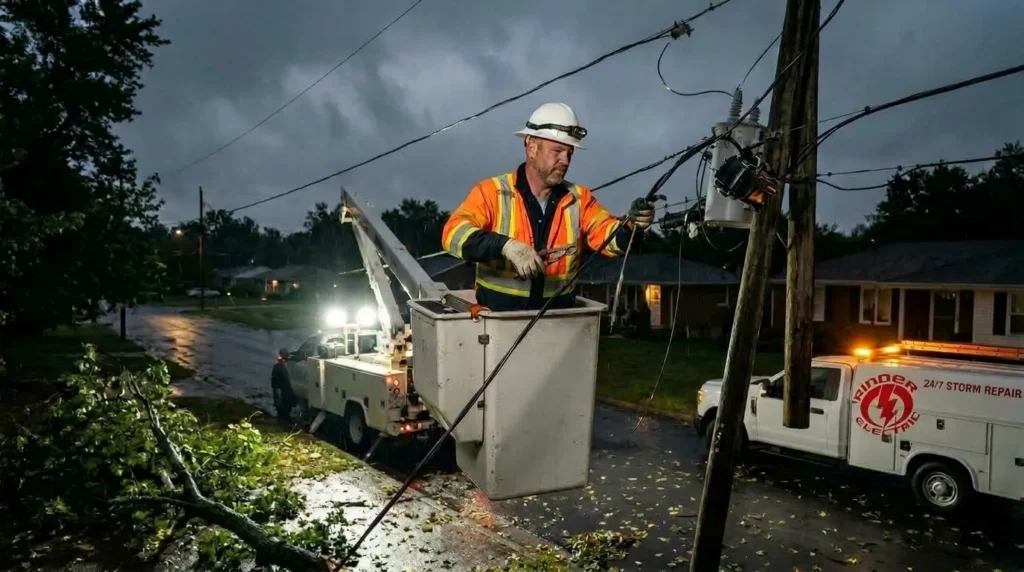
Severe thunderstorms can leave homeowners dealing with more than fallen branches and damaged roofs. Lightning strikes, strong winds, and heavy rain can also damage electrical wiring, outdoor equipment, and the connections supplying power to a home. Some problems are immediately noticeable, while others become apparent only after electricity returns.
If your home has electrical storm damage, stay away from fallen power lines, avoid wet or damaged electrical equipment, and contact your utility provider about damaged supply lines. A licensed electrician should inspect suspected damage to your home’s electrical system before unsafe equipment is used again.
For homeowners in Indianapolis, IN, knowing what to check and whom to call can prevent further damage and help restore electricity safely.
What Should You Do Immediately After a Storm?
Your first concern should be safety, especially when the storm has damaged electrical equipment or caused a power outage.
Before investigating electrical problems, take these precautions:
- Stay away from fallen power lines, even when they appear inactive.
- Keep children and pets away from damaged wires, utility poles, and electrical equipment.
- Avoid touching outlets, switches, appliances, or electrical panels exposed to floodwater.
- Do not move fallen branches resting against electrical wires.
- Report damaged utility lines to your electricity provider.
- Contact an electrician if you notice sparks, burning smells, or damaged electrical connections.
If you see a downed power line in AES Indiana’s service territory, report it at 317-261-8111. Call 911 if there is an immediate emergency, such as a fire.
Do not assume that a power outage makes nearby electrical wires safe to touch. Utility lines can become energized again without warning.
How Can You Tell If a Storm Damaged Your Electrical System?
Electrical storm damage is not always visible from outside the house. Even when the roof and windows appear intact, lightning-related surges or damaged connections may affect the electrical system.
Lights Flicker or Certain Rooms Lose Power
If some lights work while others flicker or remain off, there may be a problem with an individual circuit, electrical connection, or service equipment.
A widespread outage could originate with the utility company, but repeated flickering or partial power loss inside your house deserves professional attention.
Circuit Breakers Keep Tripping
A breaker may trip when a circuit experiences an overload, short circuit, or ground fault. Storm-related moisture or damaged wiring can sometimes contribute to these problems.
If a breaker repeatedly trips after a storm, leave the affected circuit off and have an electrician identify the cause. Repeatedly resetting it without finding the problem can be dangerous.
Outlets Smell Burned or Make Buzzing Sounds
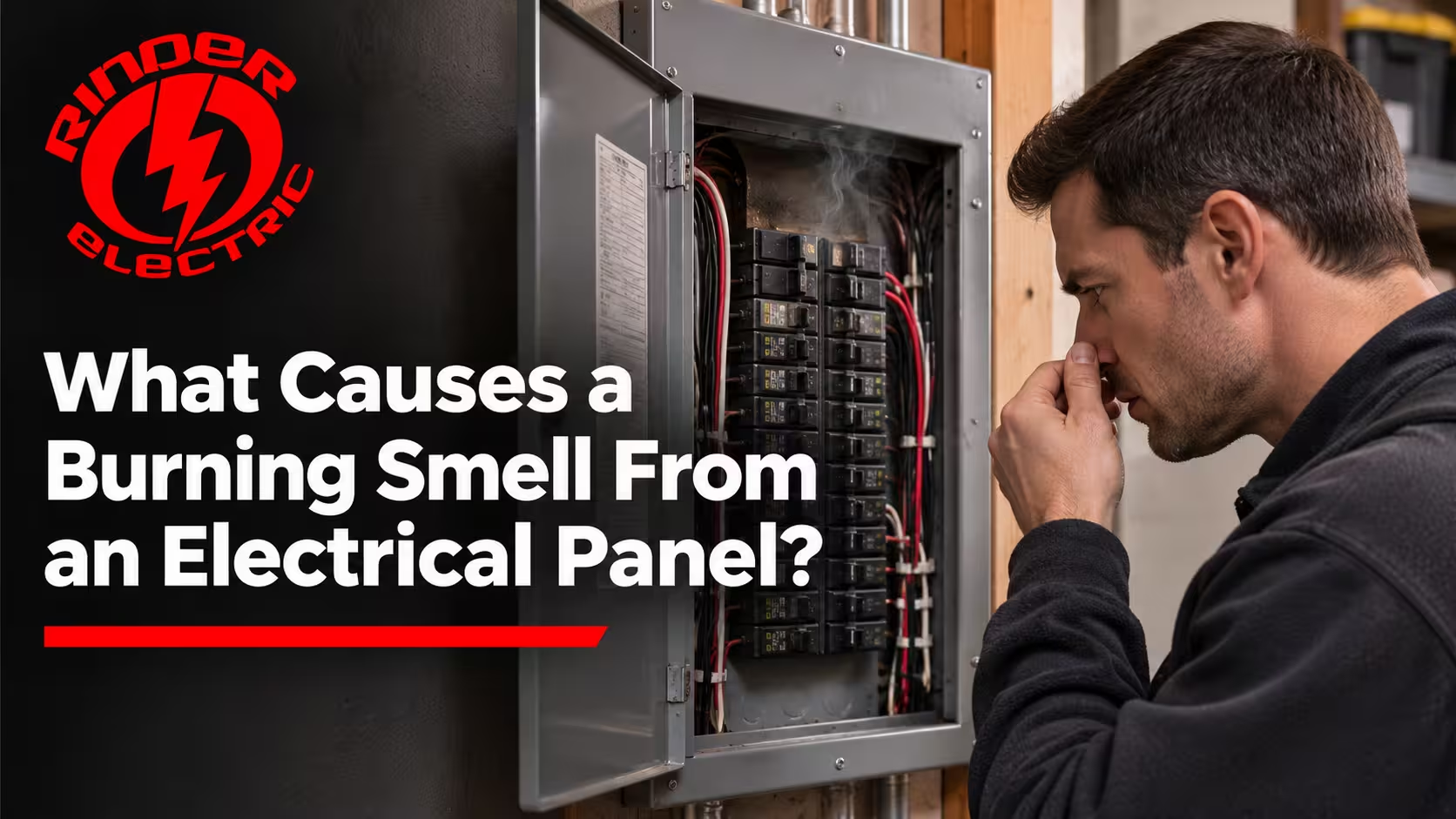
Burning odors, discoloration around outlets, buzzing sounds, and visible sparks can indicate overheating or damaged electrical connections.
Stop using the affected equipment and arrange an electrical inspection. Do not open outlets or attempt wiring repairs yourself.
Appliances Stop Working After Power Returns
Lightning and voltage surges can damage televisions, refrigerators, computers, HVAC equipment, and other electronics.
If several appliances stop working following a storm, an electrician can assess the electrical supply and connected circuits. Individual appliances may also require separate evaluation or repair.
Which Parts of Your Home Can Storms Damage?
Storms can affect different parts of the electrical system depending on the source and severity of the damage.
| Electrical component | Possible storm damage |
|---|---|
| Electrical panel | Moisture exposure, damaged breakers, or electrical faults |
| Service entrance wiring | Damage from fallen trees, wind, or debris |
| Meter base and weatherhead | Bent, loose, or broken equipment |
| Outdoor outlets | Water intrusion or damaged protective covers |
| Interior wiring | Moisture damage or electrical faults |
| Appliances and electronics | Damage from lightning-related voltage surges |
Not every power problem following a storm means the home’s wiring needs replacement. A professional inspection can help determine whether the issue involves an individual circuit, outdoor equipment, or the utility supply.
Who Should You Call for Electrical Storm Damage in Indianapolis?
The right contact depends on which part of the electrical system was damaged.
Contact Your Electric Utility Company
Report neighborhood outages, fallen utility lines, and damage involving utility-owned equipment to your electricity provider.
For customers served by AES Indiana, the utility generally maintains the electric meter and service line running from the utility pole to the home.
Contact a Licensed Electrician
Homeowners are generally responsible for customer-owned equipment, including the meter base, weatherhead, conduit, and service line anchors.
If these components are damaged, a licensed electrician may need to repair them before the utility reconnects power.
Rinder Electric provides electrical repair services in Indianapolis, helping homeowners identify and address problems involving wiring, circuits, and electrical equipment.
Does Electrical Storm Damage Require an Inspection?
An electrical inspection is advisable when there is evidence that a storm has affected the home’s electrical system.
For example, a fallen branch might damage a service connection without causing visible problems inside the house. Similarly, water entering an electrical panel or outdoor junction box can create hazards that are not immediately apparent.
During an evaluation, an electrician may examine:
- Electrical panels and circuit breakers
- Visible wiring and connections
- Meter base and service entrance equipment
- Grounding and bonding components
- Outlets or circuits exposed to water
- Signs of overheating or damaged insulation
The inspection’s scope depends on the damage observed. Some situations require repairs to a single component, while others may call for more extensive electrical work.
If the utility disconnected service because of damaged equipment, repairs and any required inspection or approval must be completed before reconnection.
Can You Turn the Power Back On After a Storm?
Power should not be restored to electrical equipment that may be damaged, flooded, or unsafe.
When the outage is caused entirely by the utility supply and your home’s equipment is undamaged, electricity may return automatically after utility crews complete repairs.
However, if your electrical panel has been exposed to water, service equipment is visibly damaged, or you notice burning smells or sparks, do not attempt to energize the affected system.
A qualified electrician should assess the situation and determine what repairs or safety checks are necessary.
If an outlet or appliance was submerged, do not test it simply to see whether it still works.
How Can You Protect Your Home From Future Electrical Storm Damage?
Although no electrical system can eliminate every storm-related risk, preventive maintenance and appropriate protective equipment can reduce exposure to certain problems.
Install Whole-House Surge Protection
Lightning and utility switching events can create voltage surges that damage electronic equipment.
A properly selected and installed whole-house surge protector can help limit certain transient overvoltages entering the electrical system.
Surge protection is not a guarantee against damage from a direct lightning strike. Sensitive electronics may benefit from additional point-of-use protection.
Address Existing Wiring Problems
Loose connections, damaged insulation, and deteriorating electrical components should be corrected before severe weather creates additional stress.
If your home has recurring breaker trips, flickering lights, or aging wiring, an electrician can determine whether repairs or upgrades are appropriate.
Check Outdoor Electrical Equipment
Exterior outlets, lighting fixtures, and exposed electrical equipment should have suitable weather protection.
Damaged covers, loose fixtures, or signs of water entry should be repaired before the next storm.
Consider Backup Power
Extended outages can interrupt refrigeration, heating and cooling, medical equipment, and other household needs.
A properly installed backup generator can supply selected circuits during an outage. Permanent generator connections require appropriate transfer equipment to prevent dangerous backfeeding into utility lines.
Frequently Asked Questions
Can lightning damage electrical wiring without hitting the house?
Yes. A nearby lightning strike can produce voltage surges through connected electrical systems. The resulting damage depends on the strike, electrical pathways, and protective equipment installed.
Should I reset circuit breakers after a thunderstorm?
If there is any indication of storm damage, moisture exposure, burning odors, or repeated tripping, leave the affected circuit off and contact an electrician. Do not repeatedly reset a breaker that trips again.
How long does it take to repair electrical storm damage?
Repair time depends on the affected components, severity of damage, availability of replacement equipment, and whether utility coordination or inspections are necessary. A minor repair may be relatively straightforward, while damaged service entrance equipment can require additional work.
Will homeowners insurance cover electrical storm damage?
Some homeowners insurance policies cover certain losses caused by lightning, wind, or related events. Coverage depends on the policy, cause of damage, exclusions, and deductible. Document the damage and consult your insurance provider before assuming a repair is covered.
Can a power surge damage an electrical panel?
Yes. Certain electrical surges and related faults can damage protective devices, connections, or other equipment. If there are signs of damage or unusual electrical behavior, a licensed electrician should inspect the system.
Should I replace appliances that stopped working after a storm?
Not automatically. A malfunction may result from damaged equipment, an electrical supply issue, or another cause. Have the affected electrical supply evaluated when appropriate, and arrange appliance-specific diagnosis before deciding whether replacement is necessary.
Get Professional Electrical Storm Damage Repairs in Indianapolis, IN
Electrical problems after a severe storm should not be ignored, even when power has already returned. Damaged wiring, loose connections, and moisture-exposed equipment can create risks that are not always visible.
Rinder Electric helps homeowners in Indianapolis identify electrical faults, repair damaged components, and determine when additional electrical work is necessary.
If your home shows signs of storm-related electrical damage, schedule electrical service with Rinder Electric to have the problem evaluated before it becomes more serious.