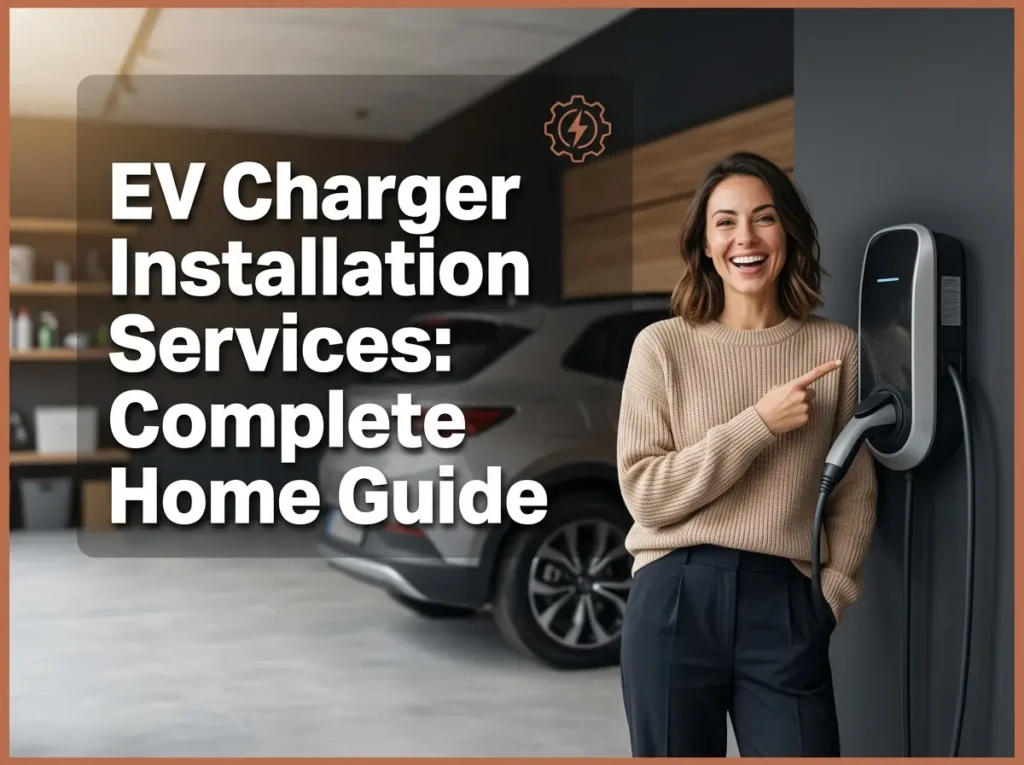
Installing an EV charger at home changes everything. You stop hunting for public charging stations. Your car charges while you sleep. EV charger installation services make this happen. Whether you drive a Tesla, Chevy Bolt, or Volkswagen ID.4, a home charger is worth the investment. This guide covers everything. We’ll talk costs, installation types, and how to choose the right setup for your Boulder home.
What Is EV Charger Installation?
EV charger installation services set up charging equipment at your home. A technician assesses your electrical panel. They run wiring to your garage or driveway. They install the charger itself. Then they test everything to make sure it works safely. The whole process typically takes one day.
Most people think installation is just plugging something in. It’s not. Your home’s electrical system needs evaluation. Many older homes can’t handle a fast charger without upgrades. The technician checks your panel capacity. They look at available circuits. They determine if you need a bigger service upgrade. This is why professional installation matters. A bad installation wastes money and creates fire hazards.
Types of EV Chargers Explained
Three main charging levels exist. Understanding them helps you pick the right one.
Level 1 Charging: The Slow Option
Level 1 chargers use your regular household outlet. They plug into any 120-volt outlet. This is the slowest charging method available. You get about 3 miles of range per hour charged. It takes 24 hours to fully charge a typical EV.
Level 1 chargers are free if you already have outlets. No installation required. But they’re impractical for daily use. Most EV owners skip Level 1 unless they rarely drive long distances. It’s better as a backup than a primary solution.
Level 2 Charging: The Smart Choice
Level 2 chargers use 240-volt circuits. They’re what most and Boulder homeowners install. You get 25 to 30 miles of range per hour charged. A full charge takes 4 to 10 hours depending on your car’s battery size.
This is the sweet spot for home charging. You charge overnight and wake up full. Level 2 chargers cost $500 to $2,500 depending on features. Installation runs $500 to $2,500 more depending on your electrical panel. Smart Level 2 chargers let you monitor charging through an app. You can set charging schedules. Some tie into home energy systems.
Level 3 DC Fast Charging: The Professional Grade
DC fast chargers are powerful. They cost $10,000 to $40,000 just for the equipment. Installation typically runs $5,000 to $15,000 or more. Most homeowners don’t install these. They’re better for commercial properties or multi-family buildings. Public charging networks use DC fast chargers. You rarely need one at home.
Cost of EV Charger Installation: What to Expect
The cost of EV charger installation varies. Location matters. Electrical panel capacity matters. Whether you need upgrades changes everything.
Basic Installation Costs
A simple Level 2 installation runs $1,000 to $5,000 total. This includes equipment and labor. Your existing electrical setup must support it. No major upgrades needed. Straightforward installations in newer homes cost less. Older homes with smaller electrical panels cost more.
When You Need Electrical Upgrades
Many homes need panel upgrades. Your electrical panel might be at capacity. You might have 100-amp service when you need 200-amp service. Upgrades add $1,000 to $5,000 to your project. Running conduit long distances costs more. If your charger location is far from your panel, expect higher labor costs.
Smart Charger Premium
Smart EV chargers cost more upfront. Basic chargers run $500 to $800. Smart chargers with Wi-Fi and scheduling run $1,000 to $2,500. The extra cost pays off. You control charging times. You avoid peak electricity rates. Some chargers integrate with solar panels. They charge when your panels produce power.
Money-Saving Options
Federal tax credits can cut costs. The Inflation Reduction Act offers up to $500 for home charger installation. Some states provide rebates. Colorado offers incentives for residential EV charging. Check with local utility companies too. Many offer rebates or special rates.
Choosing the Right Installation Location
Where you install your charger matters. Safety, convenience, and practicality all count.
Garage Installation: The Standard Choice
Installing in your garage is easiest. The charger is protected from weather. Your car is already there at night. Most homes have garage space. Garage installation typically costs less because the wiring run is shorter. You keep equipment safe from damage.
The downside? You need to park inside every night. Some people prefer flexibility. Garage charging works great if you have a routine and a safe structure.
Driveway Charging: The Flexible Option
Driveway chargers are more convenient for some. You don’t need to back into a garage. The installation usually costs more. You need weatherproof conduit. Your charger faces rain, snow, and temperature swings. Boulder winters are harsh on outdoor equipment.
An outdoor charger must have proper drainage. The wiring needs protection from the elements. These chargers must be rated for outside installation. Regular Level 2 chargers aren’t always suitable outside.
Wall-Mounted vs. Pedestal Models
Wall-mounted chargers save space. They attach directly to your garage or home exterior. Pedestal chargers stand alone. They work better in driveways away from structures. Pedestals are easier to service. Wall-mounted chargers look cleaner. Choose based on your space and preference.
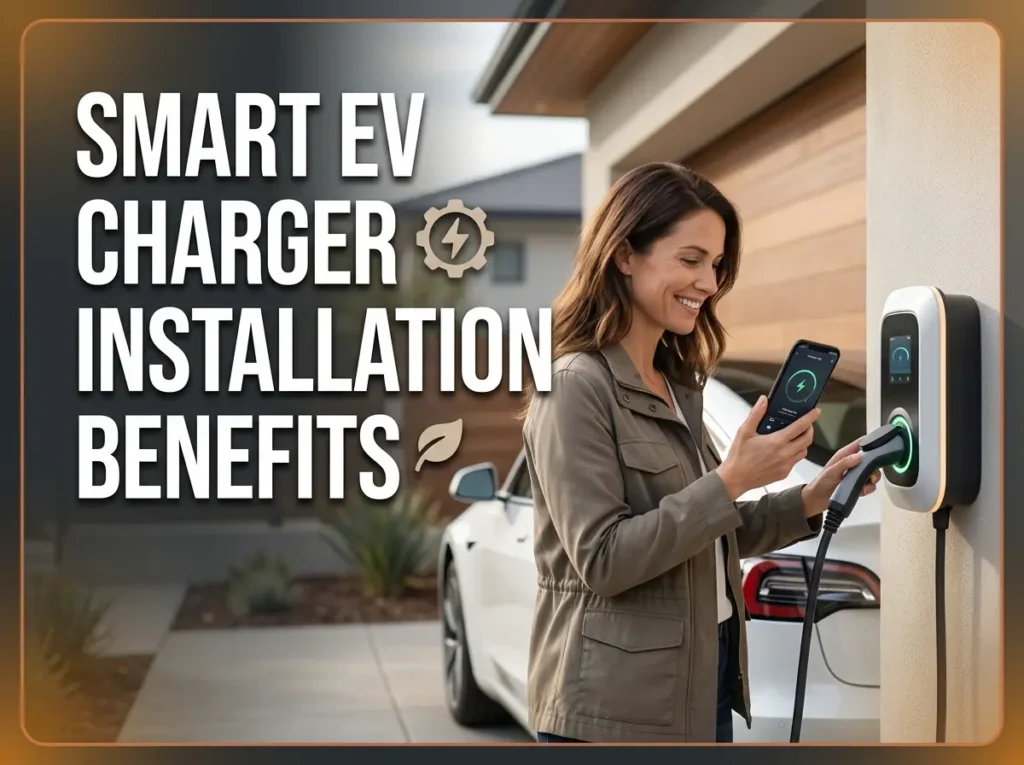
Smart EV Charger Installation Benefits
Smart chargers do more than just charge your car. They’re becoming essential for modern homes.
Time-Based Charging
Smart chargers let you set charging schedules. You can charge during off-peak hours when electricity costs less. Peak rates in can be 30% higher than off-peak rates. A smart charger pays for itself through rate savings alone. You just set it and forget it. The charger handles the rest automatically.
Integration With Home Solar Systems
Many Boulder homeowners install solar panels. Smart chargers integrate perfectly with solar systems. They can charge during peak solar production hours. You’re essentially charging on free energy from your roof. This combination maximizes your renewable energy investment.
Load Balancing and Home Integration
Smart chargers communicate with your home’s electrical system. They prevent overloads. If your dryer is running, the charger reduces power. Your whole system stays balanced. This means you don’t need to upgrade your electrical panel as often.
Remote Monitoring and Control
Smart chargers connect to your phone through apps. You can monitor charging status from anywhere. You see real-time power usage. You can stop charging remotely. You get alerts if something goes wrong. This peace of mind is valuable.
Installation Process: What Happens Step by Step
Understanding the installation timeline helps you prepare.
Step 1: Site Assessment and Planning
A technician visits your home. They inspect your electrical panel. They check the distance from your panel to the charger location. They look at your home’s current electrical load. They ask about your driving patterns. They recommend the right charger type for your needs. This assessment is free with most companies.
Step 2: Permitting and Paperwork
Your installer handles permits. This is required in Longmont and Boulder. The city needs to approve any electrical work. Permit processing typically takes one to two weeks. Some installers charge permit fees of $50 to $200. This isn’t your money being wasted. Permits ensure safety and code compliance.
Step 3: Installation Day
The technician arrives with equipment. They turn off power to work safely. They run conduit and wiring from your panel to the charger location. They install the charging unit. They connect everything securely. They test the system thoroughly. Installation usually takes 4 to 8 hours for Level 2 chargers.
Step 4: Inspection and Activation
A city inspector visits to verify the work. They check the installation against code requirements. They test the charger. Once approved, you get final paperwork. Your charger is now active and ready to use. The whole process takes two to four weeks from start to finish.
Finding the Right EV Charger Installation Service
Choosing an installer matters more than you think.
Look for licensed electricians with EV experience. Not all electricians specialize in charger installation. Experience with EV systems is crucial. Check reviews and references. Ask about warranties. Good installers stand behind their work with warranties of 5 to 10 years. Get multiple quotes. Prices vary but compare value, not just cost.
Ask about permits and inspection. Reputable companies handle all paperwork. They get permits done Common Installation Mistakes to Avoidright. They arrange inspections. They don’t cut corners. Choose someone established locally in or Boulder. Local installers understand our electrical codes and requirements.
Common Installation Mistakes to Avoid
Some mistakes are expensive to fix later, which is why understanding the common installation mistakes to avoid before starting your EV charger project is important. Don’t choose an installer based on price alone. Cheap installation often leads to problems, and poor workmanship can create serious safety hazards. Don’t skip the electrical assessment, because your home’s panel capacity must support the charger safely. Don’t assume all chargers work with every vehicle, as compatibility issues can affect performance. Don’t ignore permits and inspections—they exist to ensure safety, code compliance, and proper installation. Unpermitted electrical work can also create insurance problems in the future.
FAQS
How long does EV charger installation take?
Level 2 installation typically takes 4 to 8 hours. The technician needs time to run wiring, secure conduit, and test the system. If your home needs electrical upgrades, add 1 to 2 extra days. The entire process from assessment to activation takes 2 to 4 weeks because of permitting and inspection requirements.
Can I install a charger in an older home in Boulder?
Yes, but you might need upgrades. Many older Boulder homes have 100-amp electrical panels. You may need a panel upgrade to 200 amps. This adds $1,500 to $3,000 to your project. The good news? It’s worth the investment and increases your home’s value significantly.
Will installing a charger affect my home’s resale value?
Absolutely, positively yes. Home EV charger installation increases resale value. Buyers want homes with charging capability. Studies show it adds $1,000 to $2,000 in resale value. In EV-friendly areas like Boulder and , the value boost is even higher. It’s a smart investment.
What’s the difference between a 240-volt outlet and a charger?
A standard 240-volt outlet (like for your dryer) provides basic power. An EV charger is designed specifically for vehicles. It has safety features, monitoring capabilities, and proper amperage control. Chargers include built-in safety sensors. They prevent overloads. Don’t use a regular outlet for charging. Get a proper charger installed instead.
Can I install a smart charger myself?
No. Local codes require licensed electrician installation. DIY installation violates permits and codes. It voids warranties. It creates safety risks including fire hazards. It’s illegal in most areas. Always hire a professional with proper licensing and insurance.
How do I choose between different charger brands?
Look at reliability, warranty, and app functionality. Popular brands like Tesla, ChargePoint, and Wallbox have solid reputations. Check if the charger integrates with your vehicle. Some cars have preferred chargers. Read user reviews on Amazon and industry sites. Ask your installer which brands they recommend most. They have real-world experience with different models.
Conclusion
You gain convenience, save money on fuel, and increase your home’s value. Whether you live in indianapolish il or Boulder, professional EV charger installation services make the process smooth and safe. Get assessments from local installers, understand your costs, and choose a smart charger that fits your lifestyle. Your electric car will thank you every morning when it’s fully charged.
FAQS
1. How much does EV charger installation cost at home?
The cost of home EV charger installation usually ranges from $1,000 to $5,000 for a basic Level 2 charger setup. The final price depends on factors such as your electrical panel capacity, wiring distance, charger type, and whether upgrades are required. Older homes may need electrical panel upgrades, which can add additional costs.
2. How long does it take to install an EV charger at home?
A standard Level 2 EV charger installation typically takes 4 to 8 hours. If your home requires electrical upgrades, additional wiring, or panel improvements, the project may take longer. Including permits and inspections, the complete process usually takes 2 to 4 weeks.
3. Do I need an electrical panel upgrade for an EV charger?
Not always. Many newer homes already have enough electrical capacity for a Level 2 charger. However, older homes with 100-amp electrical service may require a panel upgrade to safely support a 240-volt charging system.
4. Can I install an EV charger myself?
Professional installation is recommended because EV chargers require proper wiring, electrical load calculations, and code compliance. DIY installation can create safety risks, void warranties, and may not meet local electrical requirements. A licensed electrician can ensure the charger is installed safely.
5. What is the difference between Level 1, Level 2, and Level 3 EV chargers?
Level 1 chargers use a standard 120-volt outlet and provide slow charging. Level 2 chargers use a 240-volt circuit and are the most common choice for home charging because they provide faster charging overnight. Level 3 DC fast chargers are designed mainly for commercial locations and public charging stations due to their high cost and power requirements.
6. Where is the best place to install an EV charger at home?
The best installation location depends on your parking setup and electrical system. Garage installations are usually the easiest and most affordable because the charger is protected from weather and closer to your electrical panel. Driveway installations offer more flexibility but may require additional weatherproof wiring and equipment.
7. Are smart EV chargers worth the extra cost?
Yes, smart EV chargers provide benefits such as scheduled charging, energy monitoring, remote control through mobile apps, and integration with solar systems. They can help reduce electricity costs by allowing you to charge during lower-rate periods.
8. Will installing an EV charger increase my home’s value?
A professionally installed EV charger can make your home more attractive to EV owners and may improve resale value. As electric vehicles become more common, home charging capability is becoming a desirable feature for many buyers.
Choose a charger based on your vehicle compatibility, charging speed needs, available electrical capacity, and desired features. Consider factors such as smart charging capabilities, warranty coverage, app functionality, and whether the charger works with your specific EV model.
10. Do I need permits for EV charger installation?
In most areas, permits and inspections are required for EV charger installation because it involves electrical work. A professional installer typically handles the permitting process and ensures the installation meets local electrical codes and safety standards.