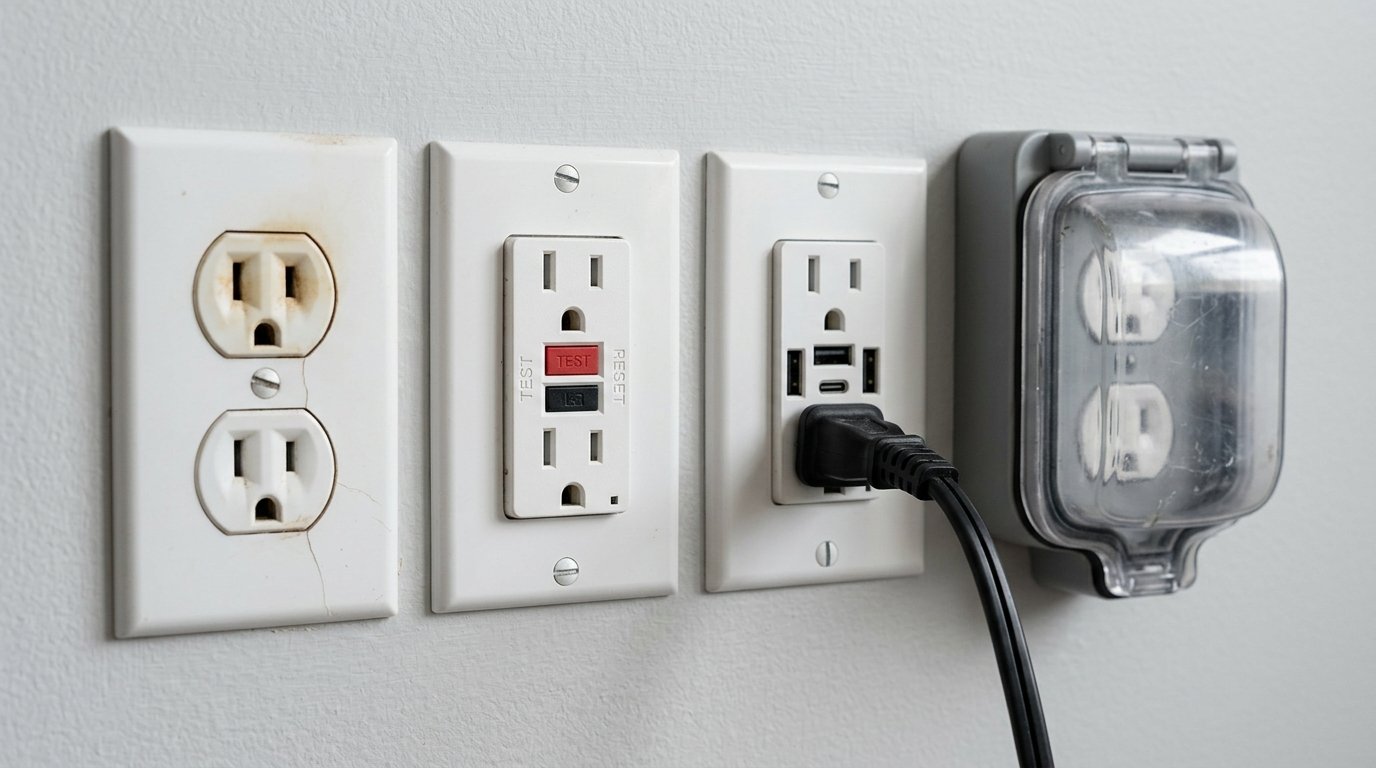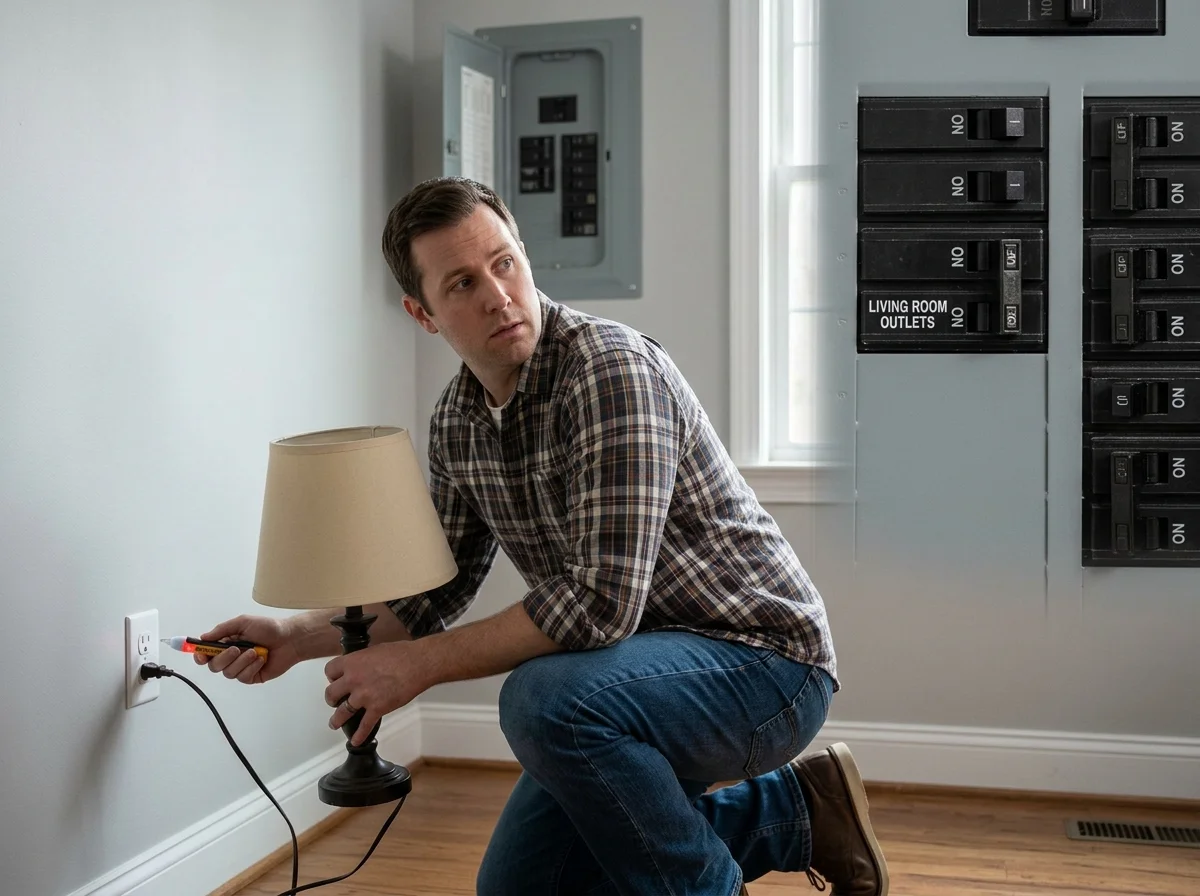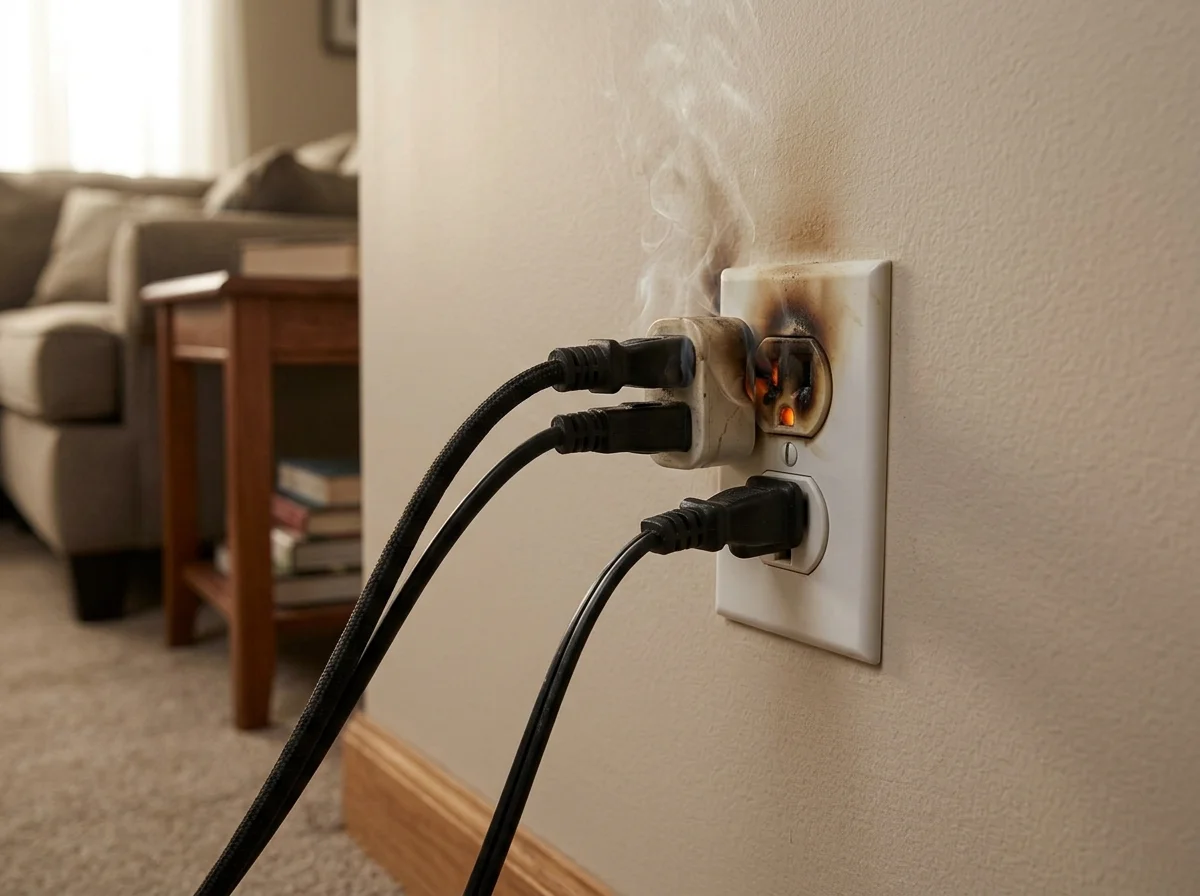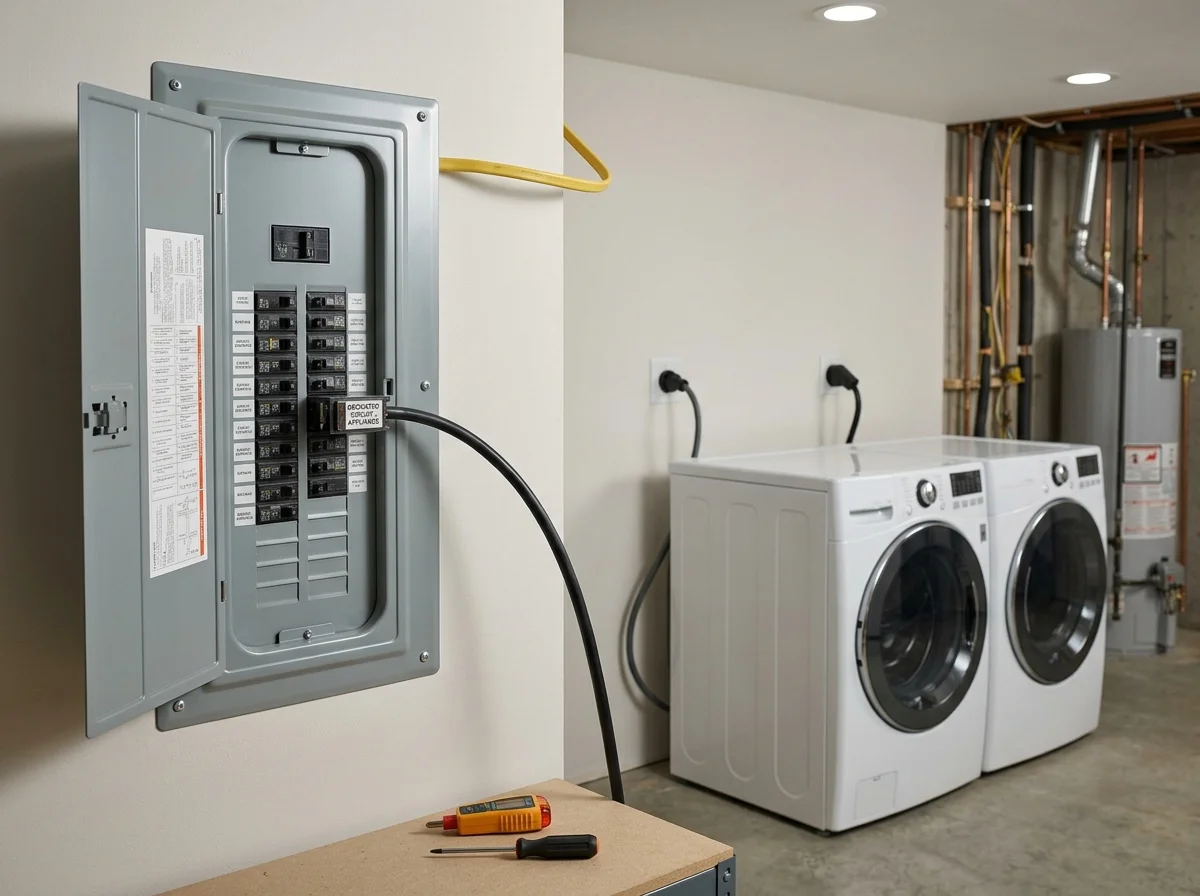
Home EV charger installation makes charging your electric vehicle easier, faster, and more convenient. Instead of waiting at public charging stations, you can charge your car overnight and start each day with a full battery. This guide explains how home EV charger installation works, what equipment you need, when an electrical panel upgrade may be required, and how to choose the right EV charging solutions for your home.
Top Home EV Charger Installation Mistakes Homeowners Should Avoid
Home EV charger installation is the process of adding a dedicated charging station to your property for your electric vehicle. The charger connects to your home’s electrical system and provides a safe, reliable way to charge your vehicle whenever you need it.
Many homeowners begin with a standard wall outlet. While that works for some drivers, it charges very slowly. A professionally installed Level 2 charger delivers much faster charging and offers a better experience for daily use. Most homeowners who drive every day choose this option because it saves time and adds convenience. If you’re unsure which charging option is right for your home, learn more about Level 1 vs Level 2 EV chargers.
Professional EV charger installation services also make sure the system meets local electrical codes and safety standards. That helps protect both your vehicle and your home’s electrical system.
Why Proper EV Charger Installation Planning Matters
Installing an EV charger at home offers several practical benefits. It gives you more control over when and how your vehicle charges while reducing the need to visit public charging stations.
Some of the biggest advantages include:
- Faster charging than a standard outlet
- Greater convenience for daily driving
- Lower charging costs during off-peak electricity hours
- Safe and reliable charging equipment
- Increased property appeal for future buyers
A residential EV charger installation also gives you peace of mind. Your charger is always available, and you don’t have to worry about waiting for a public station.
Mistake 1 Buying an EV Charger Before Checking Compatibility
One of the most common EV charger installation mistakes is buying a charger before checking whether it is suitable for your vehicle. EV chargers may look similar, but they do not all use the same connector, charging speed, or electrical setup. Choosing the wrong unit can lead to extra adapter costs, slower charging, or equipment that does not work properly with your car.
Check the Vehicle Connector Type
Before purchasing a home EV charger, check the charging connector used by your vehicle. Many electric vehicles use the J1772 connector for Level 2 charging, while some newer models use the North American Charging Standard, also known as NACS. Certain vehicles may require a different connector or an approved adapter.
Review your vehicle manual or manufacturer’s charging guide before selecting a charger. The charger plug should connect securely to your vehicle without relying on unsafe or low-quality accessories.
Understand Adapter Requirements
An adapter may allow a charger with one connector type to work with a different vehicle. However, not every adapter supports the same charging speed or safety features. Some adapters are designed only for specific vehicles, charger models, or charging levels.
Always use an adapter approved by the vehicle or charger manufacturer. Avoid cheap, unverified adapters because they may overheat, interrupt charging, damage the connector, or affect warranty coverage.
Consider Current and Future EV Compatibility
Do not choose a charger based only on the EV you drive today. You may purchase another electric vehicle in the future, or your household may eventually need to charge two vehicles.
A charger with adjustable power settings, smart charging controls, and support for widely used connector standards can provide greater flexibility. You should also consider whether the charger supports load sharing or can work with a second charging unit later.
Checking the connector type, adapter requirements, charging capacity, and future vehicle plans before installation helps you avoid unnecessary replacement costs. A qualified electrician can also confirm whether the selected charger is compatible with your vehicle and your home’s electrical system.
Smart EV Chargers
Many modern chargers include smart features that improve your EV home charging setup. These chargers connect to Wi-Fi and allow you to monitor charging from a mobile app.
Smart chargers often include:
- Scheduled charging
- Energy tracking
- Remote monitoring
- Utility rate scheduling
- Software updates
These features can help lower energy costs and improve charging efficiency.
What Happens During EV Charger Installation Services?
Professional EV charger installation services follow a clear process designed to keep your home safe and your charger operating properly.
The installation usually includes:
Home Electrical Inspection
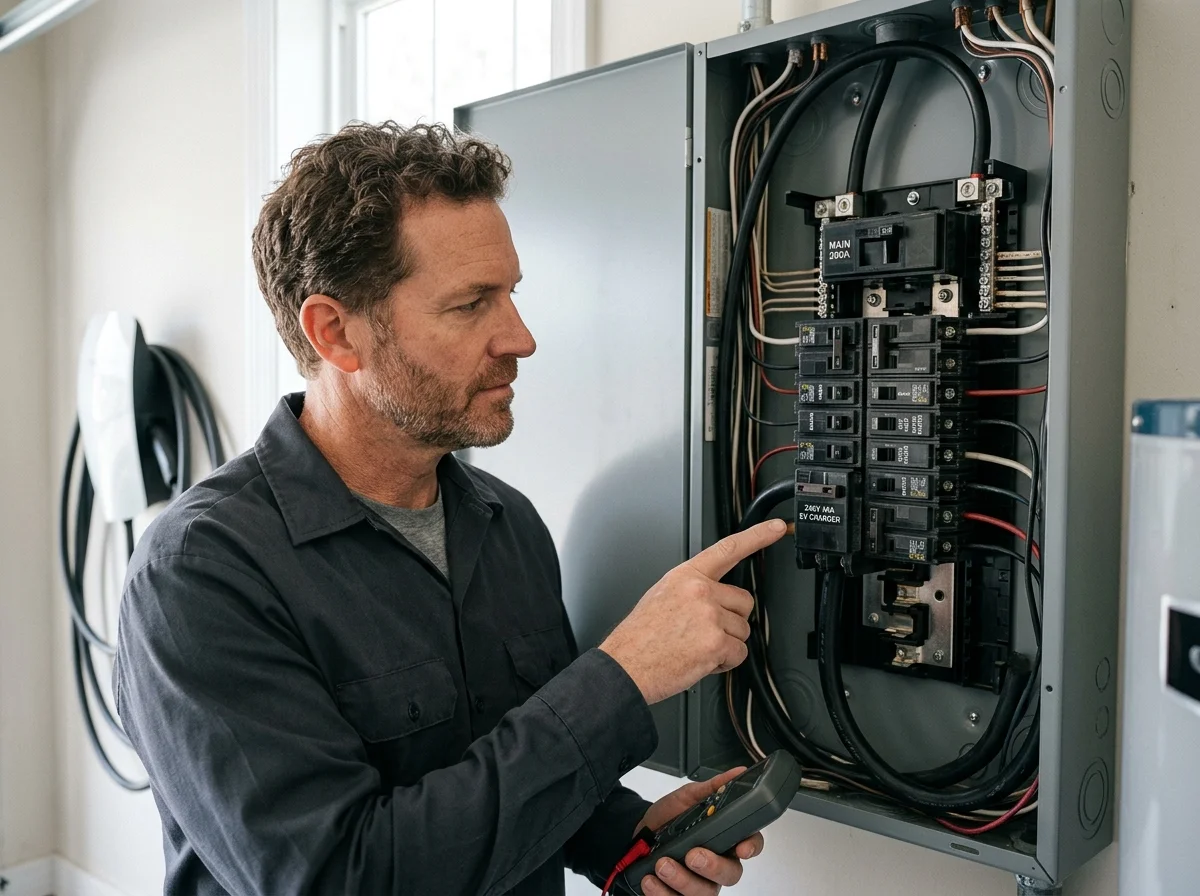
An electrician first checks your electrical panel, available capacity, and wiring. This determines whether your current system can safely support the charger.
Charger Placement
The installer recommends the best location based on where you park your vehicle. A shorter cable run often reduces installation costs while improving convenience.
Electrical Installation
The electrician installs a dedicated circuit, breaker, wiring, and the charging equipment. Every connection is tested before the system is activated.
Final Testing
Once installation is complete, the charger is tested to confirm proper operation. The electrician also explains how to safely use your new charging system.
Will You Need an Electrical Panel Upgrade?
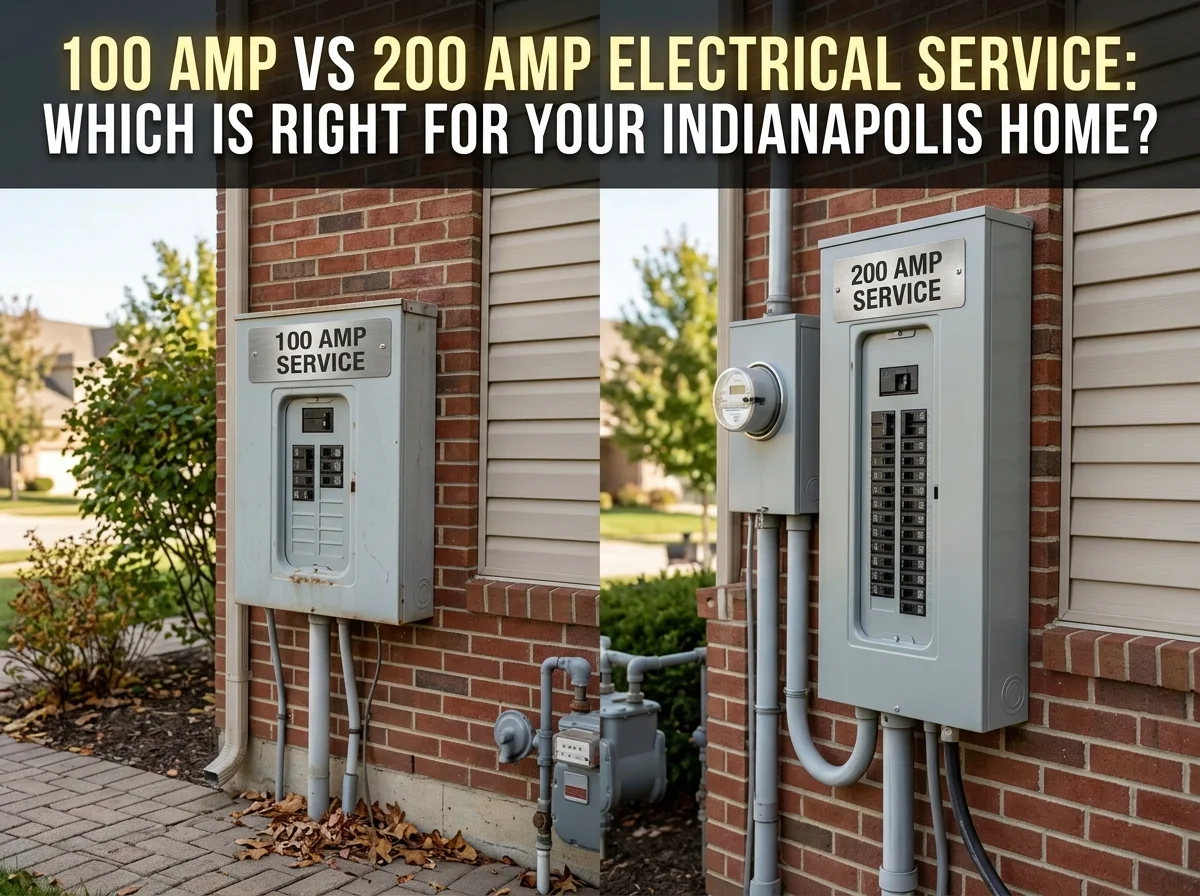
Not every home requires an electrical panel upgrade, but older homes sometimes do. Electric vehicle chargers draw significant power, so your electrical panel must have enough available capacity.
An upgrade may be recommended if:
- Your panel is outdated.
- The panel is already full.
- Your home’s electrical demand is high.
- You frequently trip breakers.
- Your current service cannot support additional circuits.
A licensed electrician can determine whether an electrical panel upgrade is necessary before installation begins.
Although an upgrade increases the initial project cost, it improves electrical safety and prepares your home for future electrical needs.
How Much Does Residential EV Charger Installation Cost?
The cost of residential EV charger installation depends on several factors. Every home has different electrical requirements, so prices vary.
Common factors include:
- Charger model
- Distance from the electrical panel
- Existing wiring
- Permit requirements
- Electrical panel upgrade needs
- Installation complexity
Simple installations generally cost less than projects that require major electrical work. Requesting a professional estimate helps you understand the total investment before work begins.
How Long Does Home EV Charger Installation Take?
Most installations can be completed in a single day. Straightforward projects often take just a few hours.
However, larger projects may take longer if additional work is needed. Electrical panel upgrades, permit inspections, or extensive wiring can extend the installation timeline.
Your electrician will explain the expected schedule after inspecting your home.
How to Prepare Before Installation
Preparing your home before installation helps the project move smoothly.
Here are a few helpful steps:
- Decide where you normally park.
- Select the charger that fits your vehicle.
- Clear the work area.
- Review your electrical panel location.
- Ask about permits if required.
- Schedule installation when someone is available at home.
Planning ahead reduces delays and makes the installation process easier.
Why Professional EV Charger Installation Services Matter
Installing an EV charger involves high-voltage electrical work. Professional installation protects your equipment and your home.
Licensed electricians understand electrical codes, grounding requirements, breaker sizing, and safe wiring practices. They also make sure the charger performs as intended.
Professional installation helps reduce risks such as:
- Electrical overload
- Fire hazards
- Improper grounding
- Equipment damage
- Warranty issues
Hiring experienced installers is one of the smartest investments you can make.
EV Charger Maintenance Tips
Most chargers require very little maintenance, but regular inspections help keep everything working properly.
Good EV charger maintenance includes:
Keep the Charger Clean
Wipe away dust and dirt with a soft cloth. Avoid harsh cleaning products that may damage the housing.
Inspect the Charging Cable
Look for cracks, cuts, or damaged connectors. Replace damaged cables immediately.
Protect Outdoor Chargers
If your charger is installed outdoors, make sure weather covers remain in good condition.
Check Software Updates
Smart chargers often receive firmware updates. Keeping the software current improves performance and security.
Schedule Electrical Inspections
Occasional inspections by a qualified electrician help identify small issues before they become expensive repairs.
Choosing the Right EV Charging Solutions
The best EV charging solutions fit both your current needs and your future plans.
When comparing chargers, consider:
- Charging speed
- Vehicle compatibility
- Smart features
- Warranty coverage
- Indoor or outdoor installation
- Future vehicle upgrades
Choosing quality equipment now can save money over the long term.
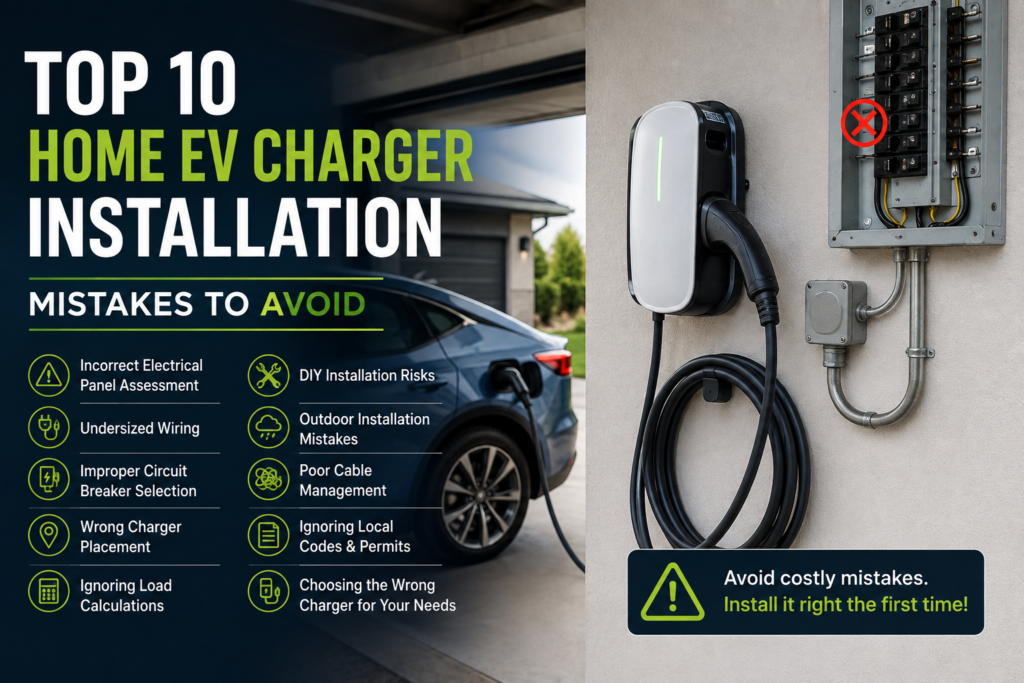
Home EV Charging Setup Mistakes to Avoid
Many homeowners make simple mistakes during the planning process. Avoiding these issues helps ensure a smoother installation.
Common mistakes include:
- Buying the wrong charger
- Ignoring electrical capacity
- Choosing an inconvenient location
- Skipping professional installation
- Forgetting future charging needs
Planning carefully before installation helps you avoid unnecessary costs later.
Is Home EV Charger Installation Worth It?
For most electric vehicle owners, the answer is yes. Home EV charger installation offers daily convenience, faster charging, and greater flexibility. It also reduces dependence on public charging stations and can improve your overall ownership experience.
Whether you recently purchased your first electric vehicle or plan to buy one soon, investing in professional EV charger installation services helps ensure safe, reliable charging for years to come.
FAQs
What is the most common EV charger installation mistake?
The most common mistake is buying a charger before checking the home’s electrical capacity and the vehicle’s charging requirements. A charger may be incompatible with the vehicle’s connector, require more power than the electrical panel can safely provide, or deliver a slower charging speed than expected. An electrical assessment before purchasing the charger can prevent extra costs and installation delays.
Do I need a panel upgrade for a Level 2 EV charger?
Not every home needs an electrical panel upgrade for a Level 2 EV charger. Newer homes may already have enough electrical capacity and available breaker space. However, an upgrade may be needed if the panel is outdated, already full, or unable to support the charger’s electrical load. A licensed electrician can perform a load calculation and recommend the safest option.
Can I install a home EV charger myself?
Installing a home EV charger yourself is not recommended, especially when a new 240-volt circuit is required. Incorrect wiring, breaker sizing, or grounding can cause overheating, electrical damage, or fire hazards. Professional installation also helps ensure the charger meets local electrical codes, passes inspection, operates safely, and complies with applicable equipment warranty requirements.
Where should a home EV charger be installed?
A home EV charger should be installed close to the vehicle’s regular parking space and within easy reach of its charging port. Common locations include a garage wall or an exterior wall beside the driveway. The location should reduce cable hazards, protect the equipment from damage, and keep the wiring distance from the electrical panel as short as reasonably possible.
Does an EV charger need a dedicated circuit?
A Level 2 EV charger generally requires a dedicated 240-volt circuit that is not shared with other appliances. The circuit must have the correct breaker, wiring, grounding, and electrical capacity for the charger’s power requirements. Using a dedicated circuit helps prevent overloads, tripped breakers, overheating, and inconsistent charging performance.
How much does it cost to correct a poor EV charger installation?
The cost of correcting a poor EV charger installation depends on the problem and the amount of electrical work required. Minor corrections may involve replacing a breaker, connector, or section of wiring. More serious problems may require relocating the charger, installing a new dedicated circuit, upgrading the electrical panel, obtaining permits, or repairing code violations. A professional inspection is needed for an accurate estimate.
Do I need a permit to install an EV charger at home?
Permit requirements depend on local building and electrical regulations. A permit is often required when installing a new 240-volt circuit, modifying the electrical panel, or completing major wiring work. Some installations may also require a final inspection. A licensed local electrician can confirm the requirements, obtain the necessary permit, and ensure the installation meets current electrical codes.