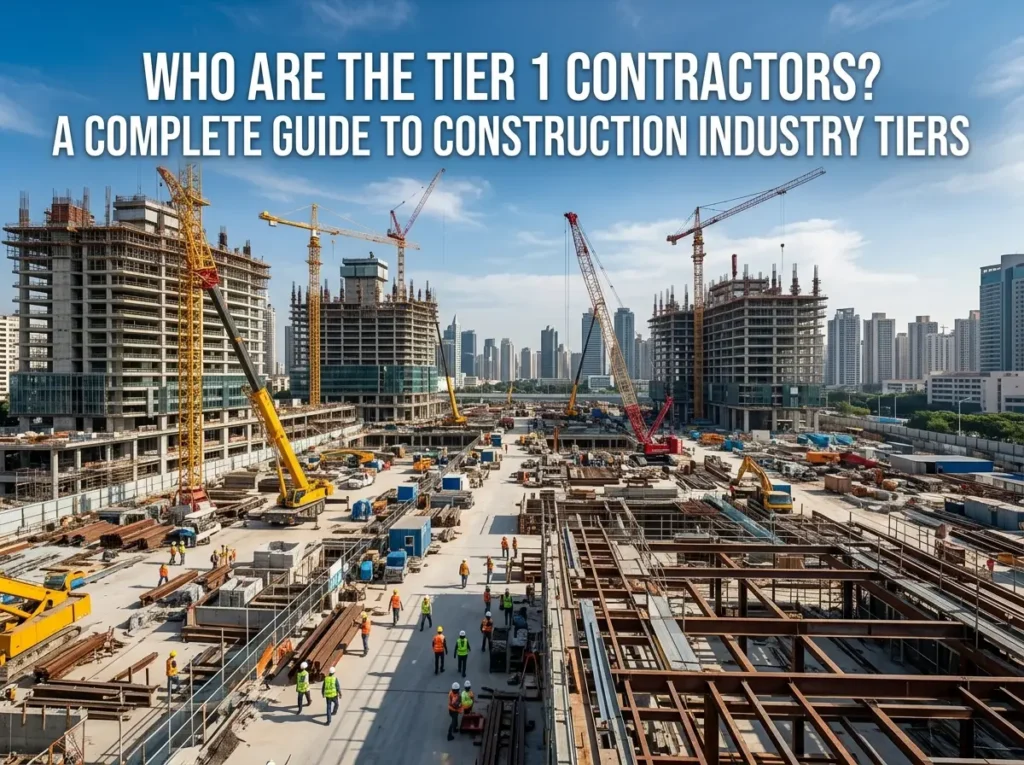
Large building jobs use many companies. One firm may lead the full project. Other firms handle power, concrete, steel, plumbing, roofing, and site work. This can make the contract chain hard to follow. You may ask, What is a Tier 1 contractor, and what does that title mean for your project? The answer starts with the signed contract. It also depends on who reports to the owner, runs the main schedule, pays trade firms, and handles project risk. A large company name does not make a firm Tier 1 on every job. Its role may change from one project to another.
This guide explains Who Are the Tier 1 Contractors in simple words. It covers each main level, the role of electrical firms, and Indiana public work rules. It also shows what owners and trade firms should check before signing.
What Does Tier 1 Mean in Construction?
Tier 1 contractors usually sign a direct contract with the project owner. The owner may be a business, school, hospital, city, state office, or private builder. The Tier 1 firm may be called the prime contractor, general contractor, design-builder, or EPC contractor. It often controls the main schedule, site plan, trade team, safety program, payments, quality checks, and final handover. Other firms may complete much of the field work under it. Indiana does not use Tier 1 as one state license class. State and local offices use licenses, job records, work types, money limits, and bid rules instead. So, What is a Tier 1 contractor on a real project? It is usually the firm with the widest duty to the owner. That duty may cover the whole job or one large part of it.
How Does the Contractor Chain Work?
The general contractor hierarchy starts with the owner. The owner hires a lead firm for all or most of the project. That firm hires trade companies for power, concrete, steel, heating, cooling, and other work. Those trade firms may then hire smaller crews, shops, or supply firms. Each company has its own work list and payment path. The contract should show who buys, installs, tests, and repairs each item. Clear roles help prevent gaps, double work, late work, and payment fights. The main contractor vs subcontractor link is simple. The main firm leads the full job under its owner contract. A subcontractor leads only its own work. OSHA says the prime contractor has duties under the main contract. Each subcontractor also has duties for the work it agrees to do.
Who Fits in Each Construction Tier?
Tier 1 sits below the owner and leads the main job. Tier 2 often includes large trade firms. These firms may handle power, steel, concrete, plumbing, roofing, or site work. Tier 3 may include smaller crews, labor teams, shops, and special installers. A supply firm may also sit at one of these levels. The contract decides the tier. A company may lead one job but work under another firm on its next job. Many Tier 1 construction companies work across several states. Others are strong Indiana firms that lead work in one area. Large size may help with staff, cash flow, bonds, and buying power. Still, size does not prove the company is right for your job. The site team matters too. Owners should check the people who will plan, price, and run the work each day.
What Is the Difference Between Tier 1 and Tier 2?
The Tier 1 vs Tier 2 contractors question is mainly about the size of each role. Tier 1 often reports to the owner. Tier 2 often reports to the Tier 1 firm. Tier 1 watches the full job. Tier 2 watches one large trade or work package. Both may run large crews and face safety, cost, delay, and quality risks. The main difference is how wide each company’s duty reaches. This does not mean Tier 2 firms have less skill. A power, steel, or concrete firm may know its trade better than the lead builder. The lead builder must bring all trades together. The trade firm must finish its own work to plan. When you compare Tier 1 vs Tier 2 contractors, compare their roles, not their value.
Where Do Electrical Contractors Fit?
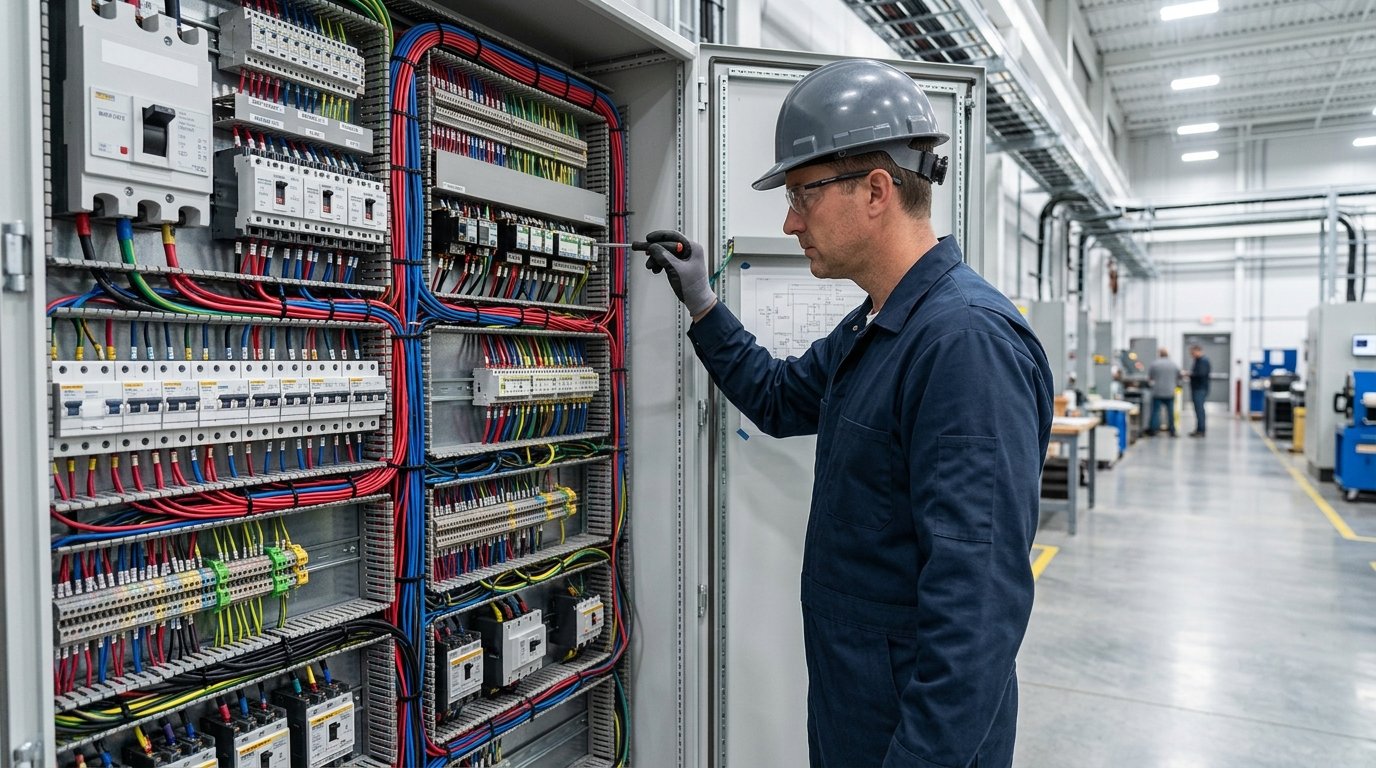
Electrical firms can work at more than one level. Tier 1 electrical contractors may sign straight with an owner. This can happen on large power, plant, utility, data, or design-build jobs. For large commercial projects, experienced commercial electrical contractors help manage electrical systems, safety requirements, and project coordination from planning through completion. The firm may plan power gear, lights, backup power, alarms, controls, and tests. It may work with the utility, engineer, inspector, and other trades. Long wait times for key gear can affect the full project. A good buying plan helps the team order these items early. The same company may work as an electrical subcontractor on another job. Its place depends on the signed deal. Owners should also check local license or sign-up rules. Indiana lets many cities and counties set contractor rules for trades other than plumbing. Allen County, for example, requires contractors and subcontractors to hold a county license.
Why Do Contractor Tiers Matter?
Contractor tiers help owners see who controls each part of the job. Clear roles support safer work, better cost control, and faster answers. They also help the team find the right person when a delay or defect appears. Without a clear chain, two firms may think the other company owns a task. That can leave work undone or cause added cost. A clear contract gives the team a fair way to fix problems. Tiers also help trade firms plan growth. A small company may start with limited work. It may later manage larger crews and bid as a prime firm. That growth needs strong staff, safe work, cash flow, bonds, and good job records.
How Do Indiana Public Work Rules Apply?
Indiana public work uses firm checks before many companies can bid or start work. For state public works jobs over $150,000, contractors and subcontractors must be prequalified by the Public Works Certification Board. The state may review skill, past work, money strength, and the firm’s ability to finish the job. Indiana also says contractors must be prequalified before starting local public works projects estimated above $300,000. INDOT has its own rules for road and bridge work. Prime firms that want to bid on INDOT or local agency jobs must be prequalified. Subcontractors with more than $300,000 in total INDOT work under contract must also be prequalified. INDOT also checks work type, past skill, money records, and bid limits. These rules matter more than a Tier 1 label.
How Should You Compare Large Contractors?
Start with projects that match your own job. Commercial construction contractors should show work with a close size, use, and risk level. Ask who will run the job each day. Check the project manager, site lead, safety plan, bonds, insurance, schedule, and trade list. Ask how the company buys long-wait items and handles added work, delays, tests, and repairs. A good company may still be a poor fit if its best team is busy elsewhere. Review the full general contractor hierarchy before you sign. Ask who holds each contract, approves added cost, owns each permit, and pays each trade. For power-heavy jobs, review past work from Tier 1 electrical contractors. Make sure they have led jobs with the same power needs and control systems.
What Should Trade Firms Ask Before Joining?
A trade firm should read the full work scope before giving a price. It should check plans, job rules, work hours, start dates, payment terms, bonds, insurance, and final paper needs. It should also ask who will provide lifts, power, storage, cleanup, and site access. Small gaps can turn into large costs after work starts. Clear questions protect both sides. The main contractor vs subcontractor deal should also explain changes. Ask who can approve added work. Check how fast field questions must be sent. Learn what photos, time sheets, and cost records are needed. These records help keep payment talks fair and clear. They also help trade firms build trust with Tier 1 construction companies and win larger work later.
What Is the Best Way to Choose a Contractor?
Choose the firm that fits the real job, not only the biggest name. Commercial construction contractors should give a clear plan for labor, trade teams, key parts, permits, tests, and final handover. They should also give honest time and cost limits. Ask what work they will do with their own crews. Then ask what work they will hire out. Use the same checks for each bidder. For private work, check city or county license rules. For public work, check the right state, local, or INDOT bid rules. Tier 1 contractors should be able to explain their role in plain words. They should also name the people who will run the job and show how they will solve delays, safety issues, and trade gaps.
Final Summary: Who Are the Tier 1 Contractors?
Who Are the Tier 1 Contractors on a building job? They are usually the firms with the widest direct duty to the owner. They may lead the full project or one very large package. They manage people, plans, time, cost, safety, quality, and final handover. Tier 2 firms often lead key trades under them. Lower tiers may handle smaller work, labor, shop tasks, or supplies. The label is useful, but the contract tells the full story. Check who holds the owner deal, who runs the site, and who carries each risk. In Indiana, also check local license rules and public work prequalification. That gives you a safer way to choose the right firm.
If you need help with a commercial electrical project or want to discuss your construction requirements, you can contact Rinder Electric to speak with an experienced electrical team.
Frequently Asked Questions
Are Tier 1 contractors always national firms?
No. A strong Indiana firm may act as Tier 1 on the right job. Its contract role, staff, bonds, skill, and project size matter more than its office count.
Do Indiana contractors need a Tier 1 license?
No. Indiana does not offer one Tier 1 license class. State, INDOT, city, or county rules may still require prequalification, permits, licenses, or registration.
Can an electrical firm be Tier 1?
Yes. An electrical firm may sign straight with the owner. It can lead a large power, plant, utility, or design-build work package.
Are Tier 2 firms less skilled?
No. Tier 2 firms often have deep trade skill. They may lead large crews and hard systems while the Tier 1 firm manages the full job.
What should owners check first?
Check similar work, key staff, safety, bonds, insurance, and trade plans. Then review the schedule, work scope, change rules, permits, tests, and final handover.
Can a subcontractor become a prime contractor?
Yes. A trade firm can grow into prime work. It needs strong staff, cash flow, safe work, bonds, job records, and the skill to manage many work areas.