Storms in central Indiana strike fast and hard. When the power grid drops, your home goes dark. A standby generator keeps your home safe and warm. It runs your fridge, lights, and appliances. Choosing to install a backup system is a smart move, especially when you have access to reliable electrical services in Indianapolis. Yet, many homeowners feel unsure about the setup process.
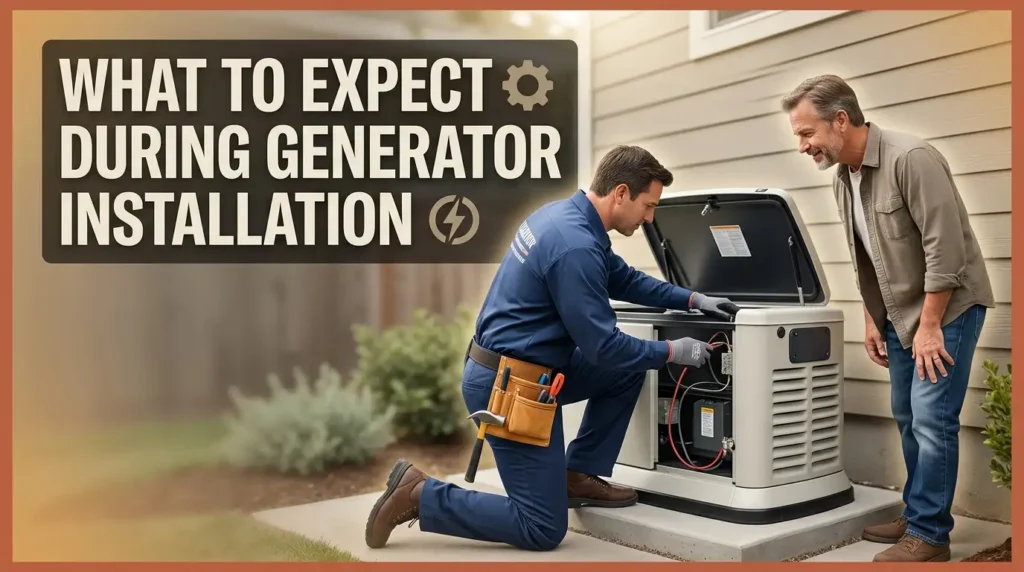
Knowing what to expect makes the project smooth. The job takes clear planning and precise technical skill. It is not just about dropping a machine on your lawn. The process mixes site prep with electrical and plumbing work. Here is your clear guide to each step of a professional setup.
Choosing the Best Placement Spot
Finding the right home for your new equipment is the first step. The unit must sit on stable, level ground near your fuel line. Local building codes require the machine to stay away from windows and doors. This keeps exhaust fumes from drifting inside your living spaces.
Safety rules always dictate the final layout of your system. The site must stay clear of tree branches and thick bushes. Proper airflow keeps the engine cool while it runs for days. Our team evaluates your yard to find a safe, compliant spot for your standby generator installation services. We make sure the location offers easy access for future maintenance. We make sure the location offers easy access for future maintenance.
Pouring the Base and Placement
Your heavy backup system needs a strong, permanent foundation. Most setups use a solid concrete pad or a dense composite base. This base stops the machine from sinking into soft Indiana soil over time. It keeps the unit level so internal engine oil coats every part.
A level machine prevents extra wear and loud vibration noises. Once the pad cures, the crew moves the heavy unit into place. We bolt it down securely to withstand strong winds and severe weather. The equipment is now stable and ready for the trade hookups.
Running the Dedicated Fuel Line
Standby units run on either liquid propane or natural gas. A steady fuel supply keeps your home powered during long outages. Plumbing professionals run a new line from your main meter to the unit. They size the pipes perfectly to deliver the right gas pressure.
[Gas Meter] (Sized Piping) [Pressure Regulator] [Generator Engine]
This ensures the engine gets enough fuel during peak power loads. We install a manual shutoff valve right at the machine for safety. We pressure test every single fitting to guarantee zero leaks. Clean, professional pipe runs keep your yard looking neat and tidy.
Wiring the Automatic Transfer Switch
The transfer switch is the true brain of your backup power system. It monitors the utility grid lines coming into your home. When the grid power fails, the switch disconnects your home from the street. Then, it safely opens the line to your new standby power.
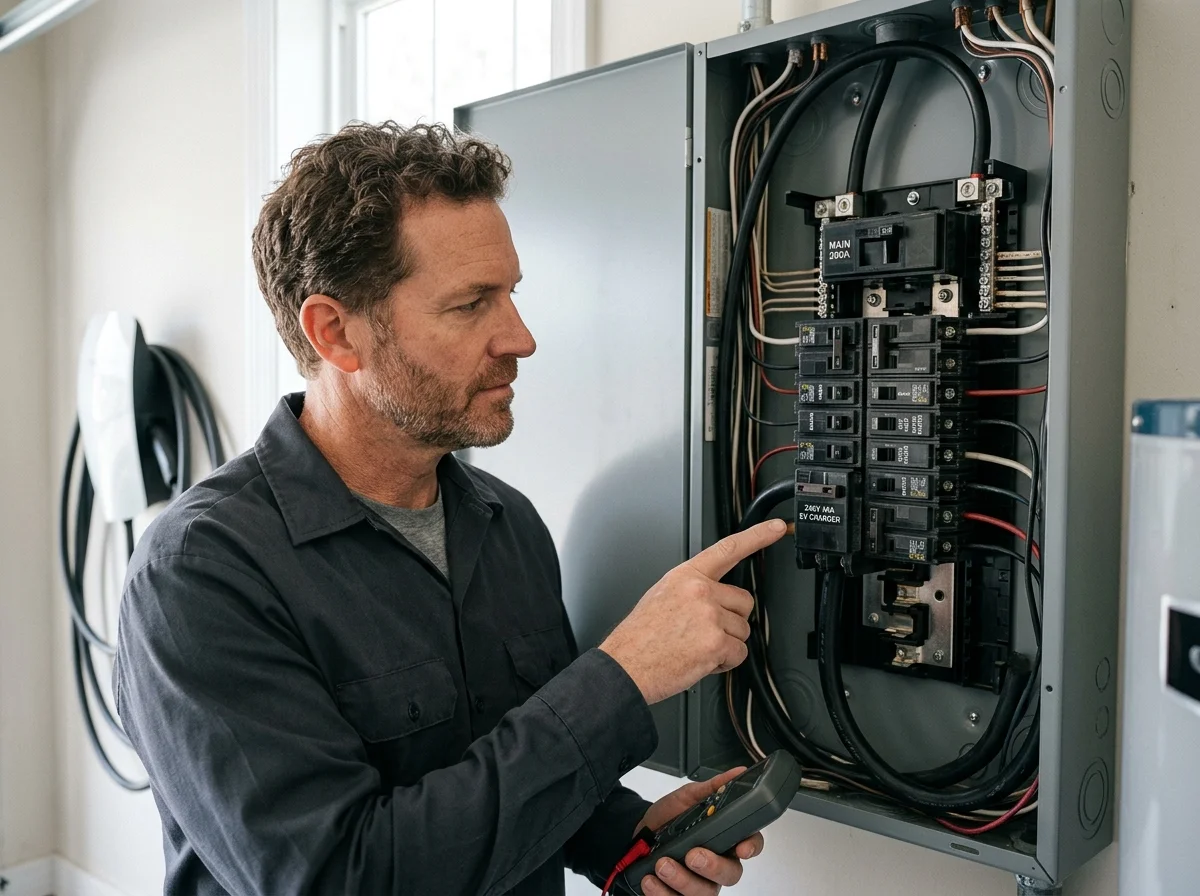
The home electrical panel serves as the central distribution point for power coming from the utility grid. Under normal conditions, electricity flows from the utility grid to the home panel and then to the various circuits throughout the property. If a power outage occurs, a standby generator automatically supplies electricity to the home panel, ensuring that essential systems and appliances continue operating until utility power is restored.
This critical separation blocks electricity from feeding backward into the street wires. It protects utility crews working hard down the road to fix lines. The switch mounts next to your main electrical panel inside. We handle all the complex wiring neatly to match modern code.
The Electrical Main Connection
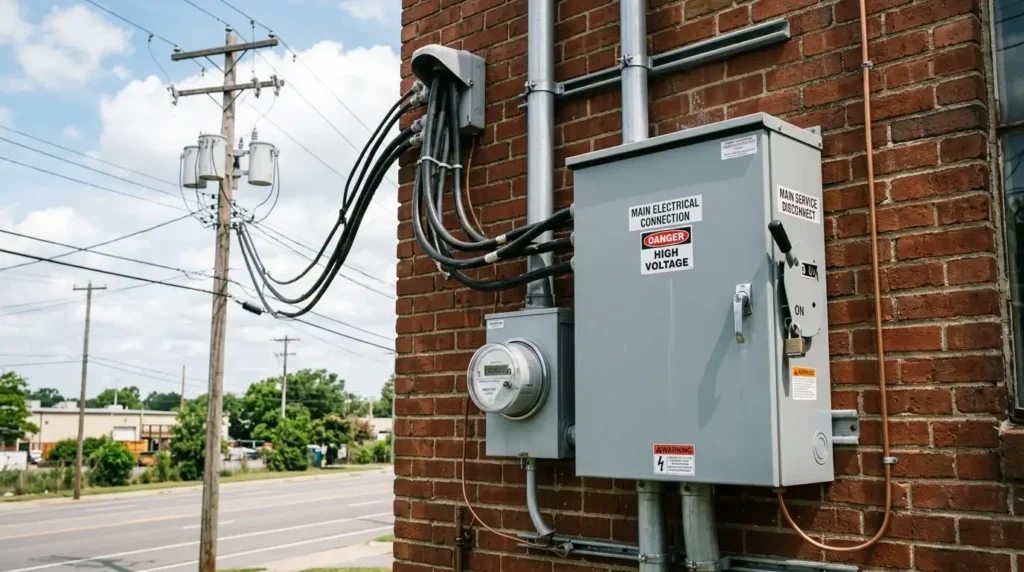
Connecting the new switch requires a brief, planned power outage. We coordinate with you to shut down the main power safely. Our technicians run heavy-duty wires through protective conduit pipes outside. These lines link the generator, the transfer switch, and your panel.
[Generator] (Exterior Conduit) [Transfer Switch] [Main Panel]
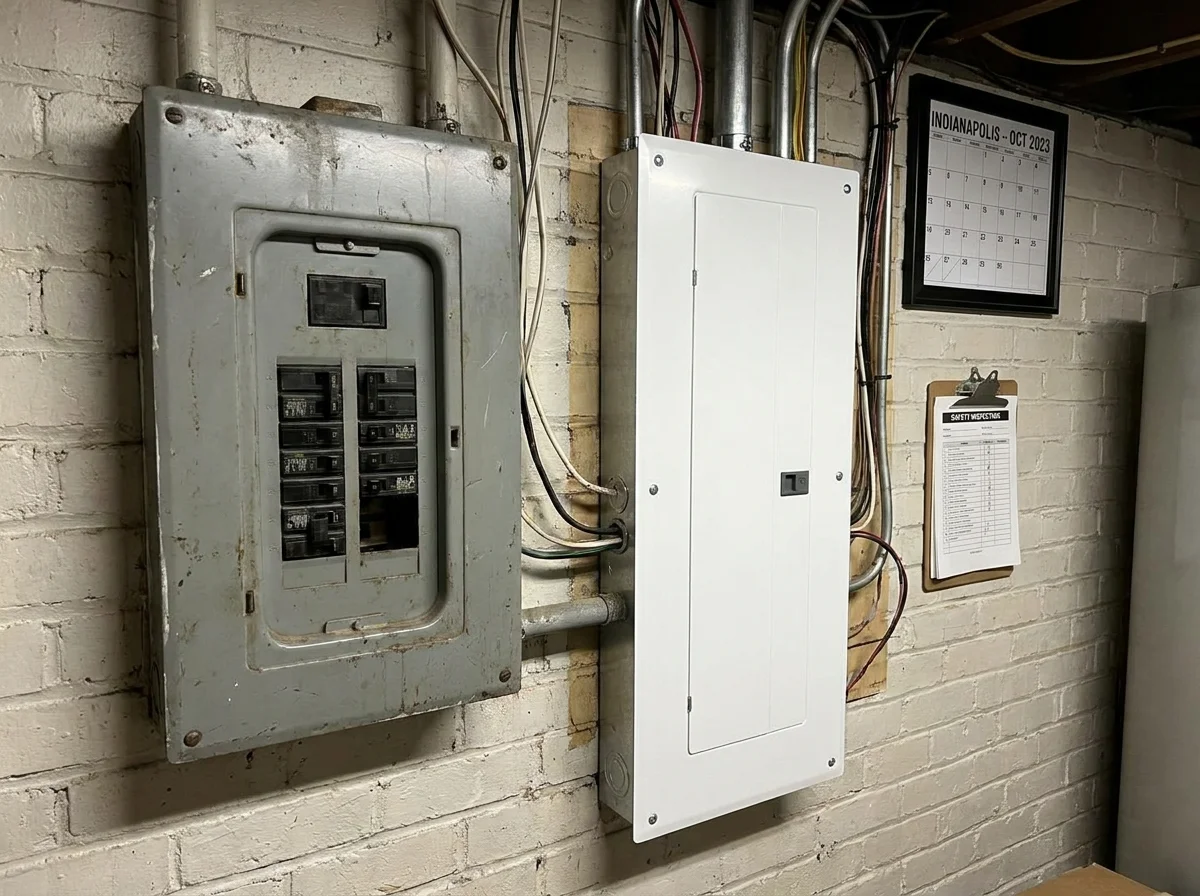
We strip, connect, and torque every wire to exact specifications. We verify your panel can handle the new load paths easily and recommend electrical panel services if an upgrade is needed. This ep bridges the gap between your home and your backup source. Our clean layout makes future system checks simple and fast.
Setting Up Remote System Monitoring
Modern backup systems use smart technology to keep you informed. We connect your unit to your home wireless internet network. This allows the machine to send live updates directly to your smartphone. You can check the system status from anywhere in the world.
[Generator Sensors] [Wi-Fi Network] [Mobile App Alerts]
The app tracks weekly self-tests and logs every run hour. It alerts you instantly if the machine needs an oil change. It provides ultimate peace of mind when you travel away from home. You will always know your system is ready before a storm hits.
System Testing and Final Inspection
We never just pack up and leave after tightening the last screw. Our team simulates a real utility power failure to test everything. We flip the main breaker to watch the system react in real-time. The generator fires up and takes the home load within seconds.
We check voltage levels and monitor the engine temperature closely. Local code inspectors visit to sign off on the permits. This final check ensures your system is safe and fully compliant. If you are still comparing contractors, learn how to find a reliable electrician before choosing your installation team. We walk you through the setup so you feel confident.
Keeping Critical Home Systems Running
A sudden blackout does more than just turn off your television. It stops your sump pump, kills your fridge, and drops your climate control. For families with medical needs, a power loss creates immediate danger. Backup power keeps essential health equipment running without a single hiccup.
Continuous electricity is vital for homes requiring specialized critical care. A reliable standby unit ensures home health setups never lose power. It safeguards patient recovery by keeping oxygen machines and monitors active. Your home stays warm, safe, and fully functional during deep freezes.
Power stability provides a secure environment mirroring institutional intensive care. Families can rest easy knowing backup power protects fragile health conditions. It maintains the steady climate needed for advanced home ICU care. You can avoid stressful emergency room visits during major regional blackouts.
Choosing Your Local Setup Experts
Investing in a standby unit protects your family and your property. The installation requires deep electrical knowledge and proper city permits. If you are comparing contractors, our guide on how to hire an electrician in Indianapolis can help you make a confident choice. Our crew handles every detail from initial sizing to the final test. We treat your yard and home with total respect.
Are you ready to protect your Indianapolis home from the next big storm? Contact the licensed team at Rinder Electric today for your free estimate. Call us at (317) 701-1713 or visit our website to book your consultation. Let us give your family the ultimate peace of mind.
FAQS
How long does a whole-home generator installation typically take?
The entire process usually takes one to two days to complete fully. Bad weather or complex gas line runs might add a little time.
Will my power be out during the installation process?
Yes, we must turn off your electricity for a few hours. We always schedule this outage with you ahead of time.
Where is the best place to install a standby generator?
The unit must sit on flat ground five feet from windows. It should also stay clear of any rising water or downspouts.
Do I need a permit for generator installation in Indianapolis?
Yes, local building codes require both electrical and plumbing permits. Our team handles all the paperwork and inspections for you.
How often does a standby generator need maintenance?
Your system needs a professional tune-up and oil change once a year. It also runs a short self-test every single week.