Office buildings run on electricity all day. Lights, computers, HVAC, security cameras all of it needs wiring that works. Commercial electricians make sure that wiring stays safe. They install panels, run new wiring, and fix small problems before they turn into big ones, like fires or outages.
For business owners in indiana, hiring the right electrician is about more than convenience. It’s about protecting your building, your equipment, and your team.
This guide covers what commercial electricians do, why wiring and panels matter, and how office buildings differ from industrial buildings when it comes to power.
What Does a Commercial Electrician Do?
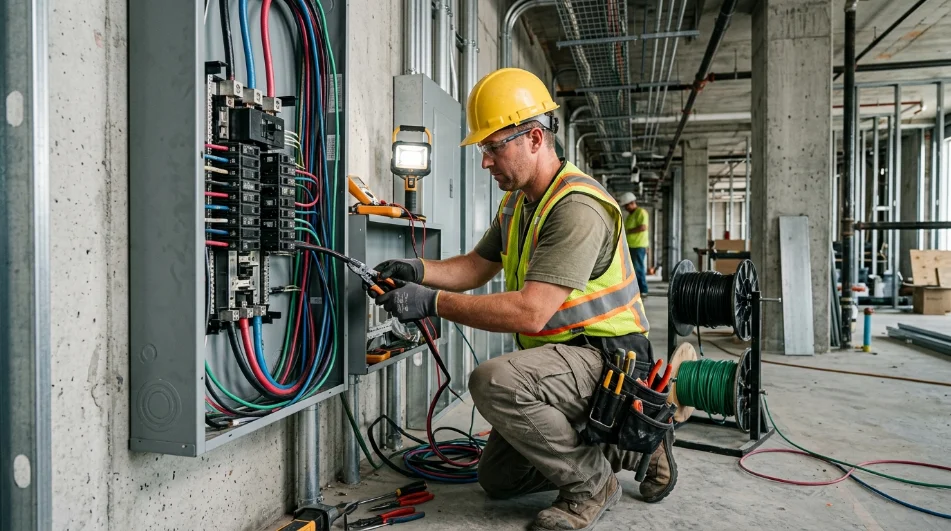
Commercial electricians work on the electrical systems in businesses, offices, and other large buildings. This work is different from wiring a house. Offices use more power. They have more circuits. And they have to follow stricter rules.
A commercial electrician might add new lighting, replace an old panel, or wire a security system. They also test the system for loose wires or circuits carrying too much power. And they make sure every job meets local and national codes. That matters for safety, and it matters when the building gets inspected.
Why Offices Need a Different Kind of Wiring
Offices run a lot of devices at once. Servers, printers, elevators, and HVAC units can all draw power at the same time. A licensed commercial electrician knows how to size the wiring and panels for that kind of load. Skip this step, or hire someone without office experience, and you’ll likely see tripped breakers or flickering lights — or worse.
Why Wiring Matters for Office Safety
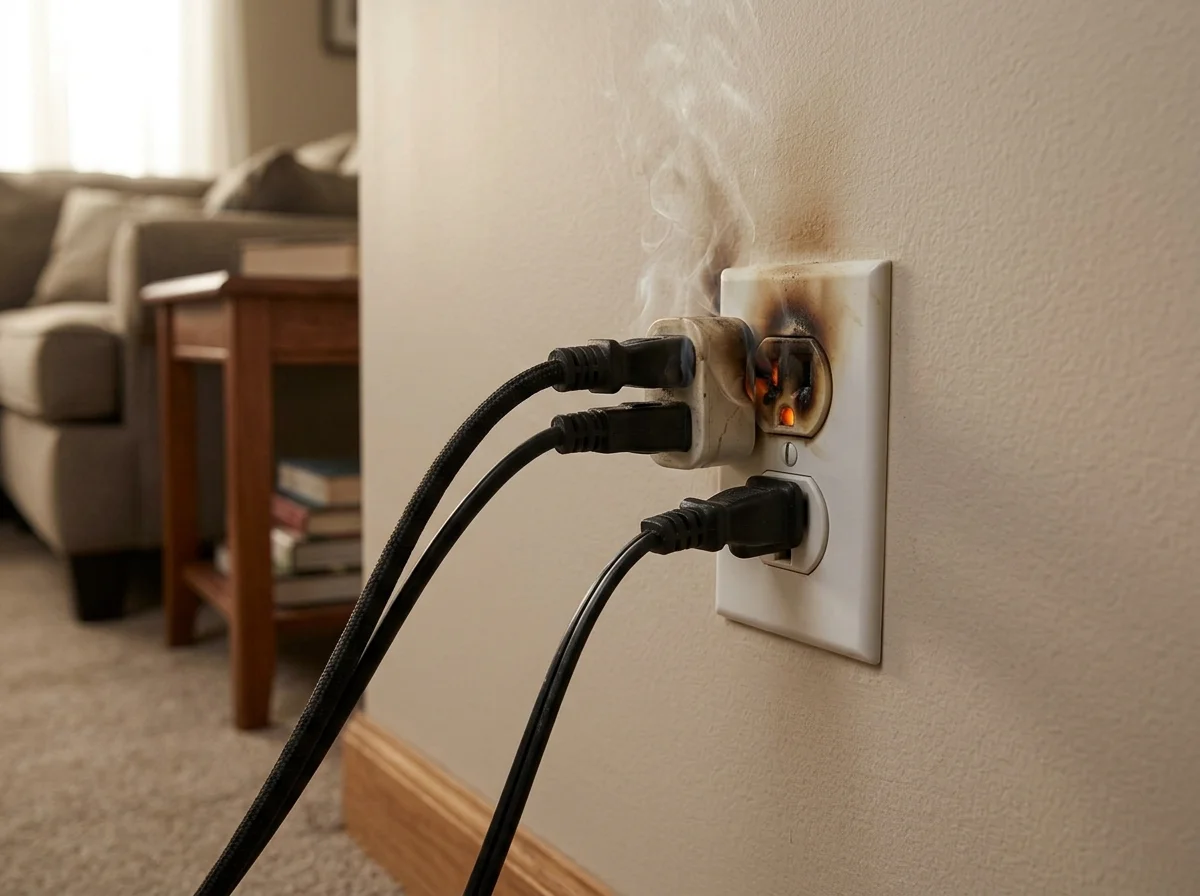
Bad wiring is one of the top causes of fires in commercial buildings. Old wiring, damaged insulation, and overloaded circuits are all real risks. In an office full of people, that risk grows fast.
Good wiring isn’t only about avoiding fires. It also keeps your systems running. Solid wiring means fewer outages, fewer repair calls, and less downtime for your team.
Common Wiring Problems in Older Buildings
Many office buildings in Longmont and Boulder are decades old. Their wiring often wasn’t built for today’s power needs. Common problems include old aluminum wiring, poor grounding, and circuits that can’t handle modern equipment.
A commercial electrician can spot these issues during an inspection. They’ll suggest fixes — maybe rewiring part of the building, or adding new circuits for equipment that draws a lot of power. Waiting too long usually costs more later, in both repairs and lost work time.
How Electrical Panels Keep Your Office Running
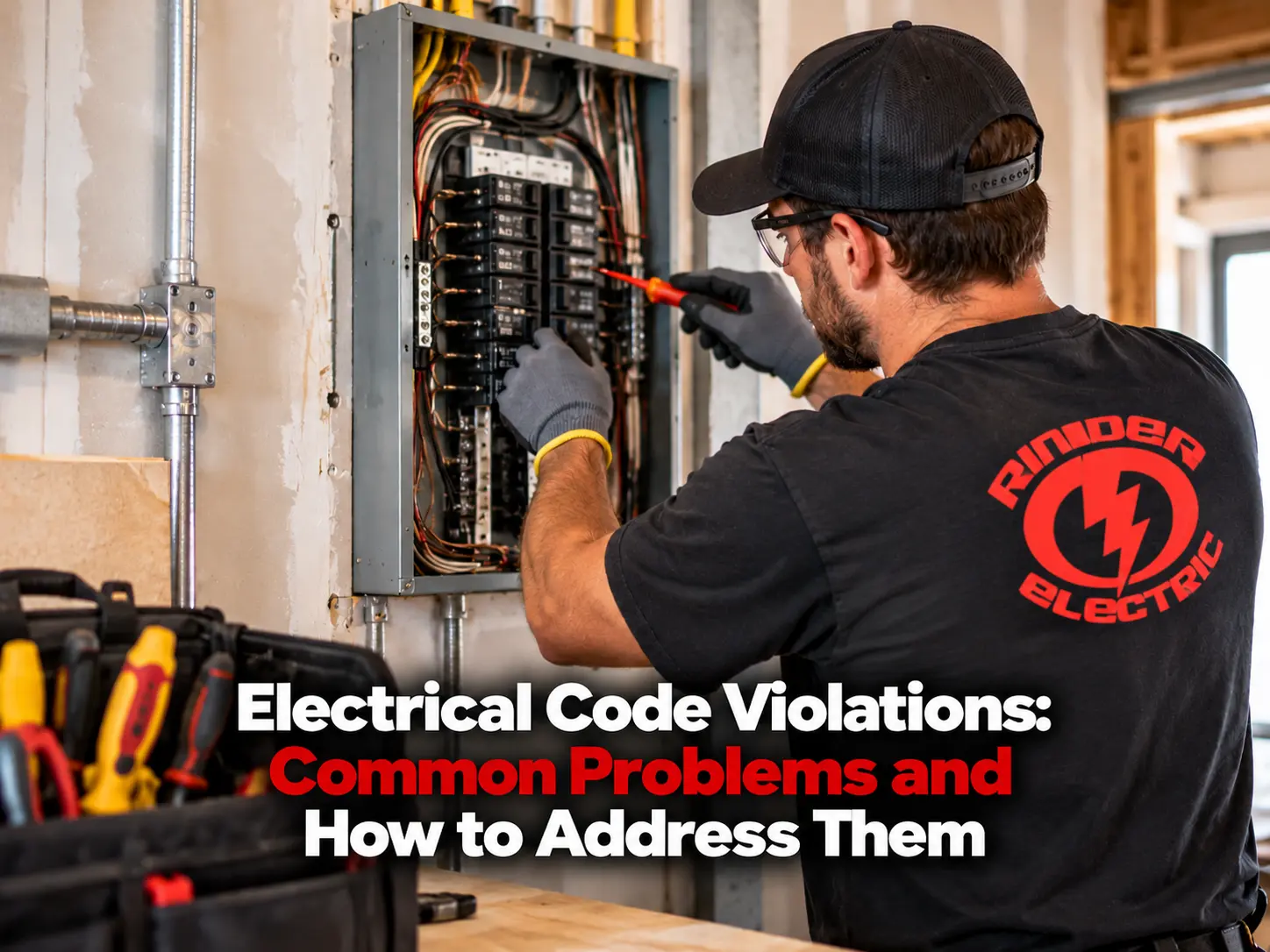
The Electrical panel is the control center for your building’s power. It sends electricity to every circuit and protects the system from overloads. If a panel is too small, too old, or wired the wrong way, it can’t do its job.
Commercial electricians check panels to make sure they match what the building actually needs. This means checking capacity, checking breaker sizes, and making sure everything meets current code. A panel that’s sized right means fewer nuisance trips and better protection during power surges.
Signs Your Panel Needs an Upgrade
A few warning signs point to panel trouble: breakers that trip often, warm or discolored panel covers, or a burning smell near the panel. A panel that still uses fuses instead of breakers is also a red flag.
If your office has grown, added equipment, or expanded since the panel was installed, it may not have enough capacity anymore. A commercial electrician can check your panel and tell you honestly if it needs to be replaced or just adjusted.
Security System Wiring Is a Bigger Job Than You’d Think
Security wiring has become a bigger part of commercial electrical work over the last ten years. Cameras, access control, and alarm panels all need wiring that’s installed the right way. Bad wiring here isn’t just annoying it can leave a security gap if a system fails during a break-in or emergency.
Commercial electricians plan security wiring alongside the rest of the office electrical work. That keeps everything on one panel, clearly labeled, with its own circuits separate from other equipment. It also makes future repairs or upgrades much easier, since the system was done right the first time.
Why Professional Installation Matters for Security Wiring
A security system only works if the wiring behind it is solid. Loose connections or bad grounding can cause false alarms, dead cameras, or a system failure at the worst possible time. A commercial electrician with security wiring experience makes sure every camera and sensor gets steady power and a stable connection so the system works when you actually need it.
Office Buildings vs. Industrial Facilities
Both industrial facilities and office buildings need commercial electricians, but their needs look pretty different. Industrial sites often run heavy machinery, three-phase power, and much higher voltage loads. Offices focus more on lighting, computers, HVAC, and regular outlets.
Some office buildings share space with light industrial or warehouse areas, especially in mixed-use properties around Longmont. In those cases, electricians have to design systems that handle both loads safely, without one interfering with the other.
Finding the Right Electrician for the Job
Not every electrician who works on industrial sites takes the same approach as one who focuses on offices and that’s normal. What matters is finding someone with experience in your type of building. Ask about past projects similar to yours before you hire. It’s a simple question, and it can save you a lot of trouble later.
How Often Should Office Wiring Be Inspected?
Most office buildings should get a full electrical inspection every three to five years. Buildings with older wiring, heavier equipment loads, or a history of electrical problems may need checks more often. Yearly visual checks between full inspections can catch small issues early.
This isn’t just a good habit many insurance policies and local codes require it for commercial properties. Staying on schedule keeps your building up to code and lowers the risk of surprise failures.
What Happens During an Inspection?
A commercial electrician checks panels, wiring, outlets, and grounding throughout the building. They look for wear, overheating, and code violations. Afterward, you get a report listing any issues, along with next steps. That gives you a real picture of your building’s electrical health — not just a pass or fail.
Choosing a Commercial Electrician in Longmont
Longmont businesses have their own set of needs when it comes to electrical work. Local climate, building age, and Boulder County code all shape how systems should be built and maintained. An electrician who knows the area means fewer surprises and faster, more accurate work.
When you’re choosing an electrician, look for proper licensing, real commercial project experience, and clear communication. A good electrician explains what’s wrong, what it costs to fix, and why — without pushing you into work you don’t need.
FAQS
How much does commercial electrical work cost?
It depends on the size of the job. Small repairs might run a few hundred dollars. Panel upgrades or full rewiring jobs can run several thousand. Most electricians give you a walkthrough and a written estimate before starting, so you know the cost up front. Ask for a detailed breakdown instead of just a flat number it helps you see what you’re actually paying for.
How long does a panel upgrade take?
A standard panel upgrade usually takes one to two days, depending on the building’s size and how complex the job is. Larger buildings, or jobs that involve rerouting circuits, can take longer. Your electrician should give you a realistic timeline up front, along with a plan to keep disruptions to your workday to a minimum.
Can my office stay open during electrical work?
Often, yes. Electricians usually schedule work in phases or after hours to cut down on downtime. Bigger jobs, like a full panel replacement, might need a short shutdown of power to certain areas. A good electrician will work around your business hours as much as they can.
Do I need a permit for a panel upgrade?
Yes. Most panel upgrades and major wiring changes need a permit in Longmont and Boulder County. A licensed commercial electrician handles the permitting and makes sure the work passes inspection. Skipping permits can cause problems down the road, especially if you sell the building or file an insurance claim.
How do I know if my office wiring is outdated?
Watch for frequent breaker trips, flickering lights, warm outlets, or a building over 25 years old with no electrical updates. If you’re not sure, a commercial electrician can check your system and tell you exactly where it stands. It’s worth checking sooner rather than later, especially if you’ve added new equipment recently.
What’s the difference between commercial and industrial electrical work?
Commercial work usually covers offices, retail spaces, and similar buildings with standard power needs. Industrial facilities usually need higher voltage systems, three-phase power, and equipment built for heavy machinery. Some electricians work in both areas, and some specialize so it’s worth asking about experience with your specific type of building.