homeowners rely on trusted electricians when safety issues appear in older houses and modern apartments alike. From house wiring upgrades to inspections, professionals providing electrical services in Indianapolis help keep systems aligned with current safety standards..
We’ll break down electrical safety tips and when to call experts for deeper fixes and risks.
Why Electrical Safety Matters in Every Home
Every home depends on a steady power flow that supports lighting, appliances, and daily comfort without interruptions. Electrical safety becomes important when small faults build up inside walls and unseen connection points over time.
Many risks in home electrical systems start unnoticed and turn into hazards if left unchecked over time.
Common Home Hazards
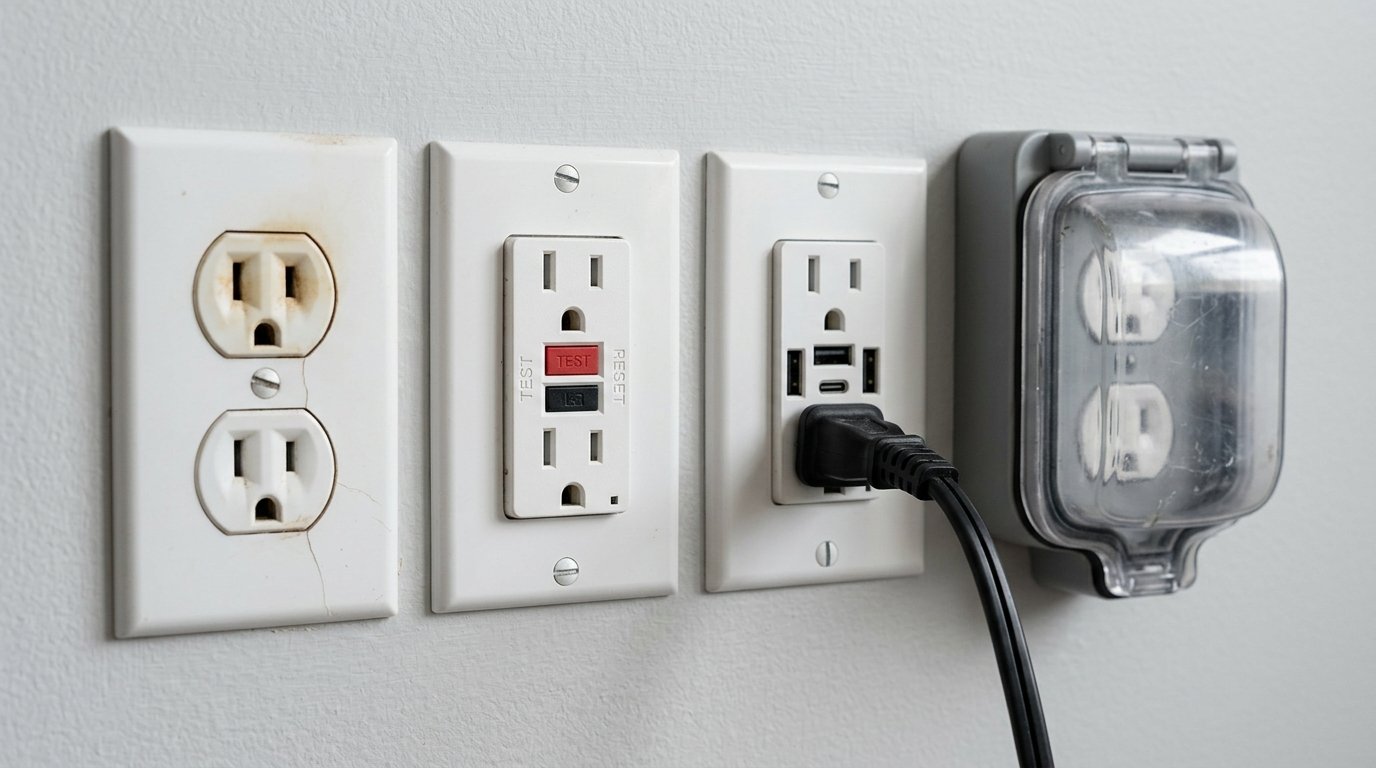
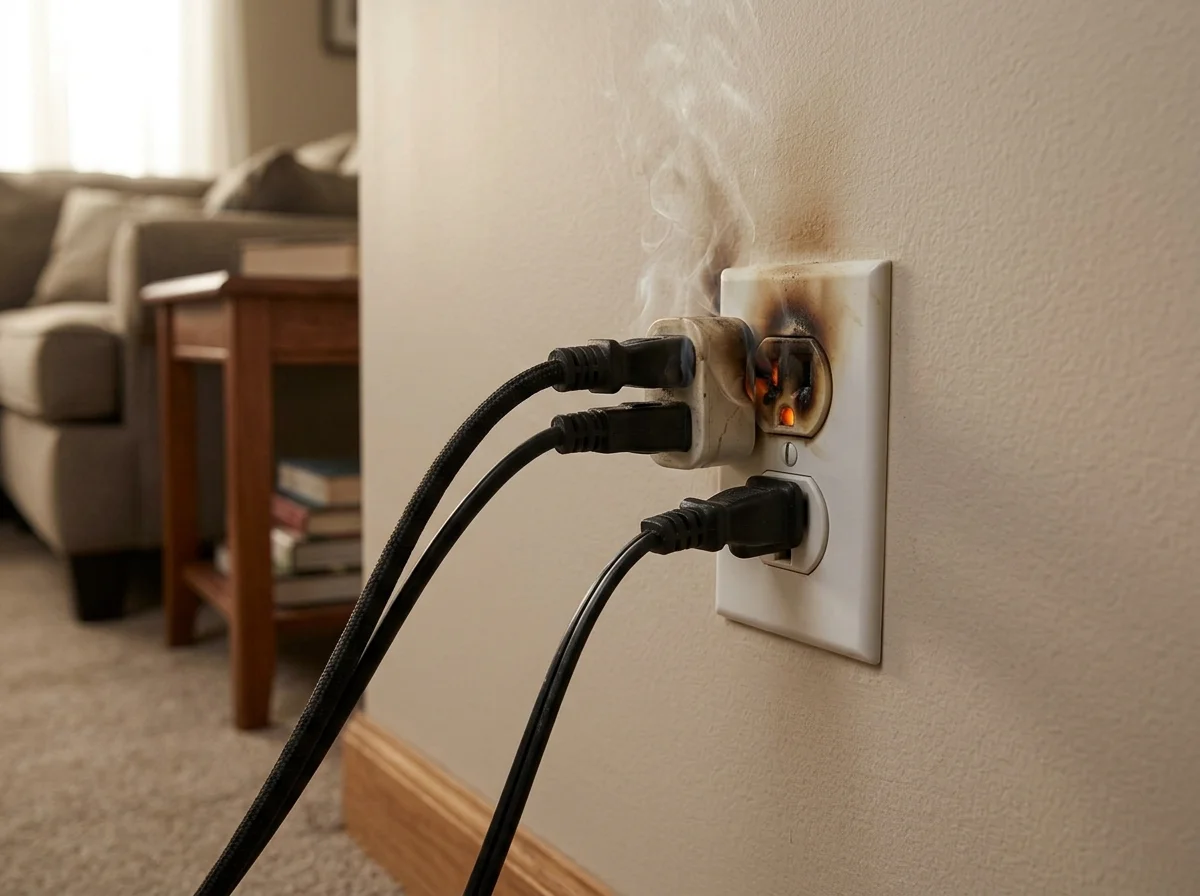
Loose outlets, damaged cords, and overloaded sockets create common risks inside everyday homes. These issues affect electrical safety and often come from poor maintenance or aging house wiring systems.
Small warning signs like warm switches or flickering lights show deeper problems inside circuits that need attention from electrical safety risks.
Aging House Wiring Risks
Aging wiring systems struggle to handle modern appliance loads in older residential properties across cities.
House wiring that hasn’t been updated increases fire risks and reduces overall electrical safety levels inside homes.
Old insulation, loose joints, and outdated panels require inspection before serious faults develop in the system over time.
Warning Signs You Should Never Ignore
Warning signs inside a home often show early trouble before full electrical failure happens. Recognizing these issues helps protect electrical safety and prevents costly repairs or dangerous incidents.
Homeowners should act quickly when circuits behave oddly or when devices stop working properly.
Early action reduces risks inside house wiring systems and keeps homes safer long term.
Flickering Lights and Burning Smells
Flickering lights and burning smells often point to overloaded circuits or loose connections in walls.
These issues affect electrical safety and should never be ignored during daily home use.
Professional inspection helps locate hidden faults before they turn into serious hazards or fire risks.
Timely repairs protect house wiring and extend system life in older and newer homes.
Tripping Breakers
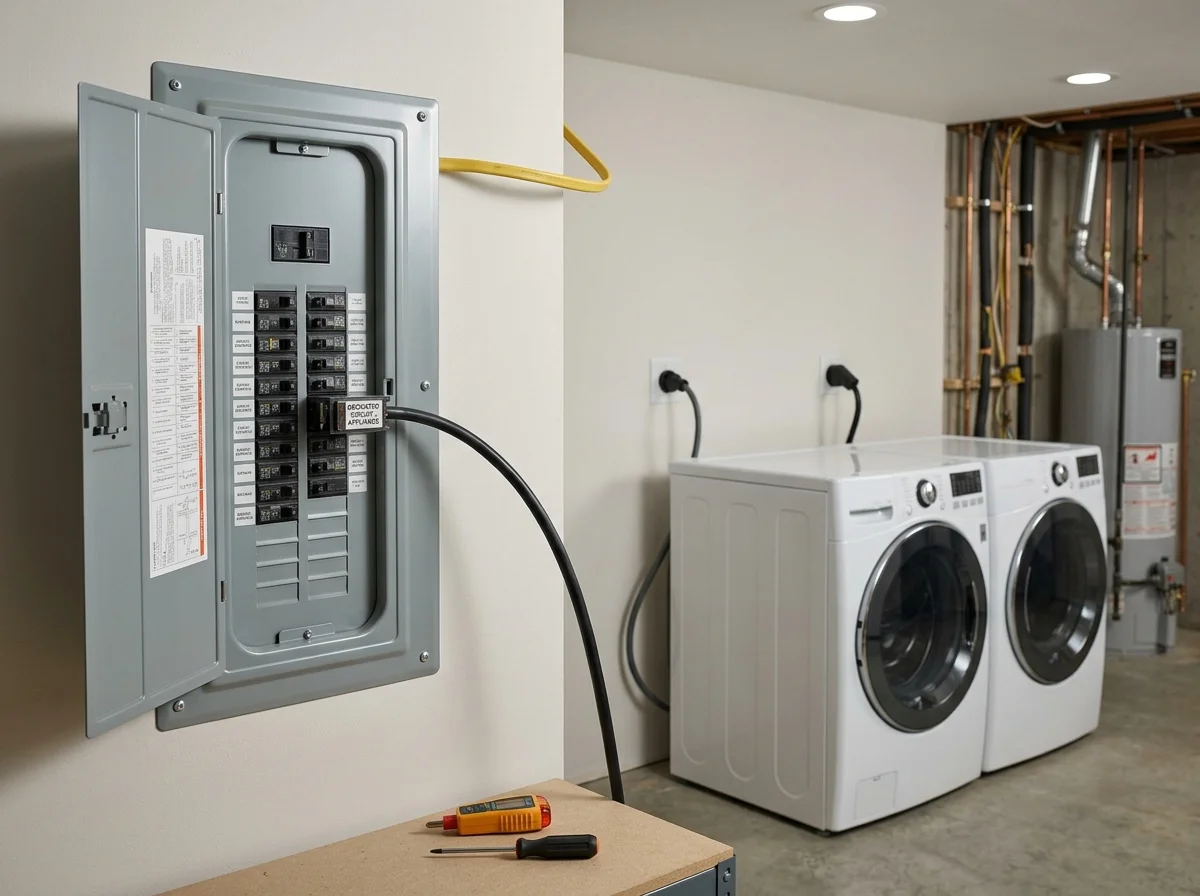
Frequent breaker trips signal overloaded circuits or faulty appliances drawing excess power. Home electrical systems rely on breakers to stop damage before wires overheat or fail. Electrical repair services can help identify the cause and restore safe load distribution across circuits.
Repeated tripping needs professional checks to ensure safe load distribution across circuits.
Left unresolved, these issues increase fire risk and stress aging house wiring components.
Importance of Professional Wiring Inspection
Regular inspections help maintain safe power distribution in homes of all ages. This step improves electrical safety and reduces hidden risks inside wall systems. Certified electricians spot issues that homeowners cannot see during daily use checks. Before hiring someone for electrical work, it also helps to know how to find a reliable electrical contractor. Inspections also help plan future upgrades like panel updates and safer house wiring improvements.
Certified electricians spot issues that homeowners cannot see during daily use checks.
Inspections also help plan future upgrades like panel updates and safer house wiring improvements.
What Inspectors Check
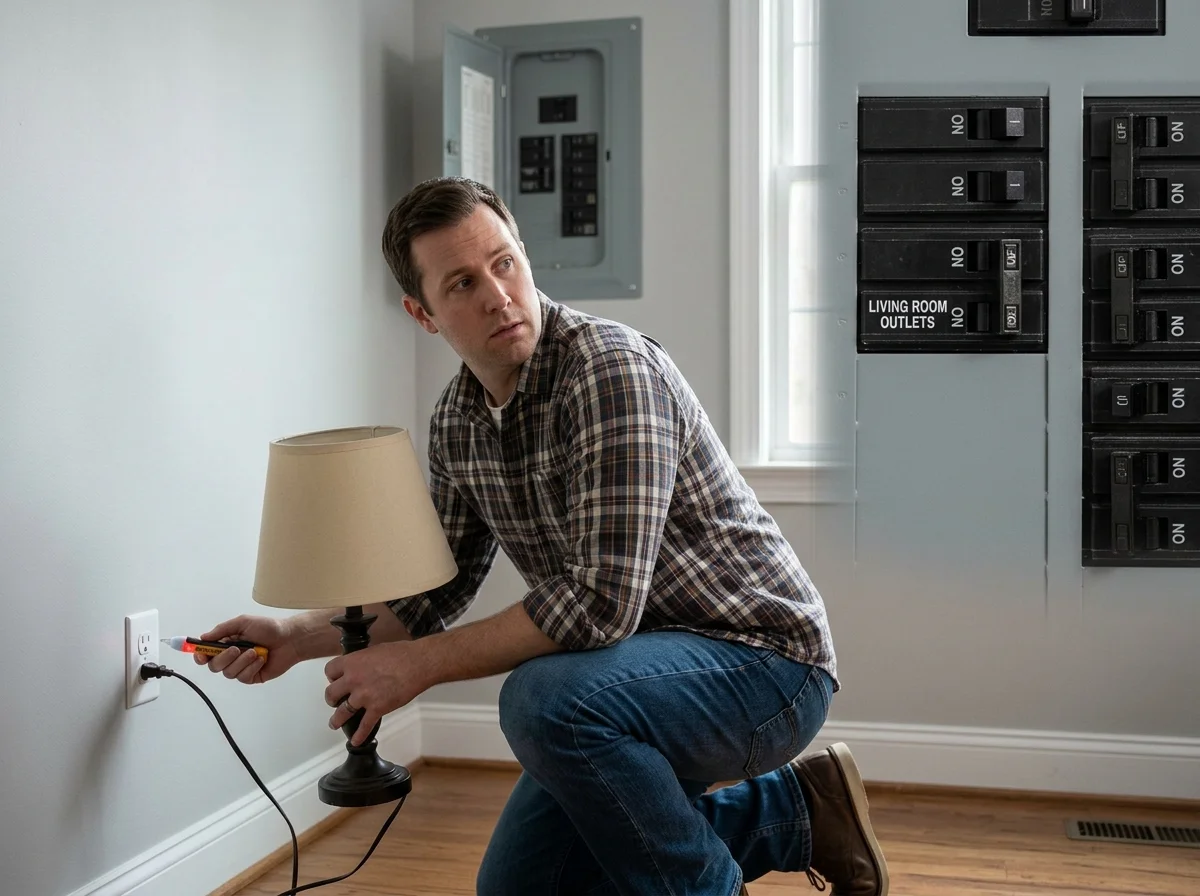
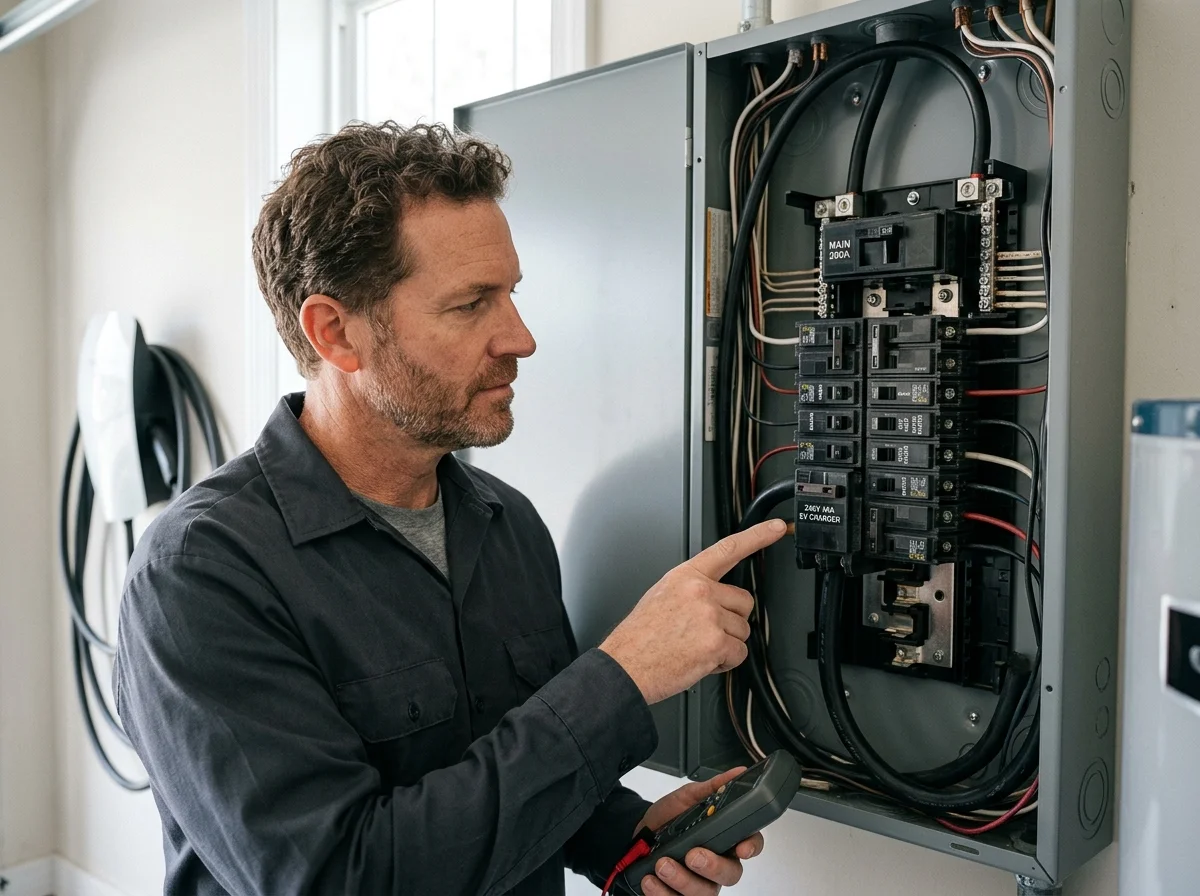
Inspectors review panels, outlets, switches, and grounding systems during a full home check. They examine house wiring condition to detect wear, overheating, or loose connections.
Testing equipment helps confirm safe current flow across different circuits in the property.
This process reduces fire risk and improves long term system reliability for homeowners.
Inspection Frequency
Most homes need inspection every few years depending on system age and usage. Older homes require more frequent electrical safety checks to prevent hidden hazards. After renovations or appliance upgrades, a fresh inspection keeps systems stable.
Professionals recommend checks after storms, power surges, or major electrical work in home systems.
Electrical Rewiring and When It’s Needed
Old electrical systems often struggle with modern power demands in busy households. Electrical rewiring services become necessary when circuits cannot safely support current loads. Signs include repeated outages, warm outlets, and frequent breaker trips during use. Upgrading wiring improves safety and supports appliances that need steady power daily across home.
Signs include repeated outages, warm outlets, and frequent breaker trips during use.
Upgrading wiring improves safety and supports appliances that need steady power daily across home.
Signs You Need Rewiring House
Older homes built decades ago often use outdated wiring that no longer meets safety standards. Rewiring house projects become necessary when insulation breaks down or circuits overload frequently. Homeowners notice flickering lights, burning smells, or inconsistent power in multiple rooms. If you need professional electrical work, learn how to hire an electrician in Indianapolis before choosing a contractor. Professional upgrades restore system safety and reduce long term fire risks inside walls.
Homeowners notice flickering lights, burning smells, or inconsistent power in multiple rooms.
Professional upgrades restore system safety and reduce long term fire risks inside walls.
How Much to Rewire a Home
The cost of rewiring varies based on home size, age, and accessibility of wiring systems. Homeowners often ask how much to rewire a home when planning major electrical upgrades.
Costs increase with older house wiring, wall access difficulty, and required safety improvements.
Accurate estimates require on-site inspection from licensed electricians before project starts work.
Safe Habits for Everyday Use
Safe daily habits reduce electrical risks and keep household systems running smoothly.
Small actions like unplugging unused devices improve electrical safety across the home.
Good habits protect house wiring and prevent overloads during peak usage hours.
Simple routines help extend system life and reduce emergency repair needs later in homes.
Daily Home Safety Habits
Every homeowner benefits from simple routines that reduce risk and improve system reliability. These steps support electrical safety and reduce strain on aging house wiring systems. Consistent habits also prevent overloads and help circuits last longer under daily use.
Small changes at home reduce fire risks and improve overall electrical performance.
- Unplug appliances when not in use to reduce strain on circuits and improve overall safety.
- Check cords regularly for wear, cuts, or exposed wires that can lead to electrical hazards.
- Avoid plugging too many devices into a single outlet to prevent overheating and breaker trips.
- Schedule periodic wiring inspection with licensed electricians to keep systems safe and reliable.
- Replace damaged switches and outlets immediately to maintain safe electrical performance in every room.
- Keep water away from electrical devices to prevent shocks and reduce serious home accidents.
Protecting Chicago Homes from Electrical Hazards
Older Chicago homes face higher electrical risks due to aging systems and heavy power use over decades of use.
Regular maintenance and timely upgrades keep electrical safety strong in these properties across older neighborhoods like Chicago areas.
Professional electricians help identify weak points in house wiring before failures occur and recommend safe rewiring solutions early.
Conclusion
Rinder Electric provides trusted electrical services across Chicago for homes that need safer, updated systems.
From inspections to electrical rewiring, their team handles complex issues with precision and care.
Homeowners get clear guidance on how to rewire a home and improve long term safety.
Call Rinder Electric for dependable service that keeps every circuit safe and efficient.
FAQs
How often should wiring inspection be done?
Homeowners should schedule a wiring inspection every three to five years for safe electrical performance.
Older homes may need more frequent checks depending on system condition and usage levels.
What are signs I need rewiring house?
Signs include frequent breaker trips, flickering lights, and burning smells from outlets or switches.
These issues suggest aging house wiring that cannot safely handle modern electrical loads.
How much to rewire a home?
The cost depends on home size, wiring condition, and accessibility of electrical systems.
Professional inspection gives accurate estimates before any electrical rewiring project begins work.
Can I rewire my home myself?
DIY electrical rewiring is unsafe and can lead to serious fire or shock hazards.
Licensed electricians ensure proper installation and compliance with local electrical safety codes.