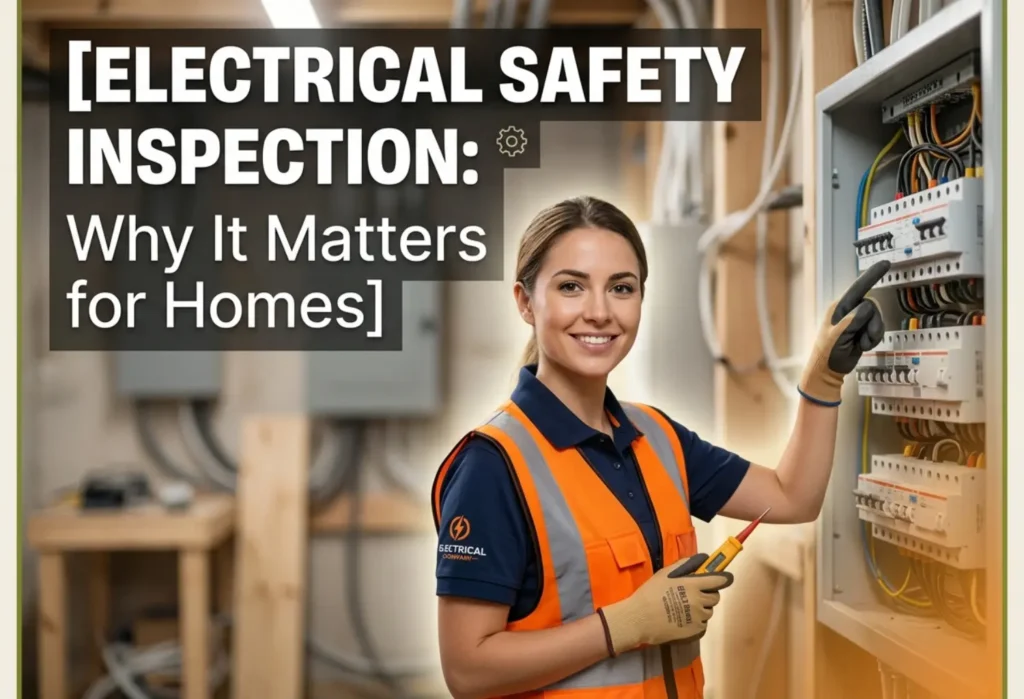
Your home’s electrical system works hard every day. It runs your lights, TVs, and kitchen gear without a thought. But wires hidden behind walls can wear out, fray, or get overloaded. An electrical safety inspection helps you catch these risks before they turn into big, expensive headaches. Whether you live in a brand-new build or a century-old house, checking your wiring keeps your family safe and your power reliable.
Why Is an Electrical Safety Inspection Necessary
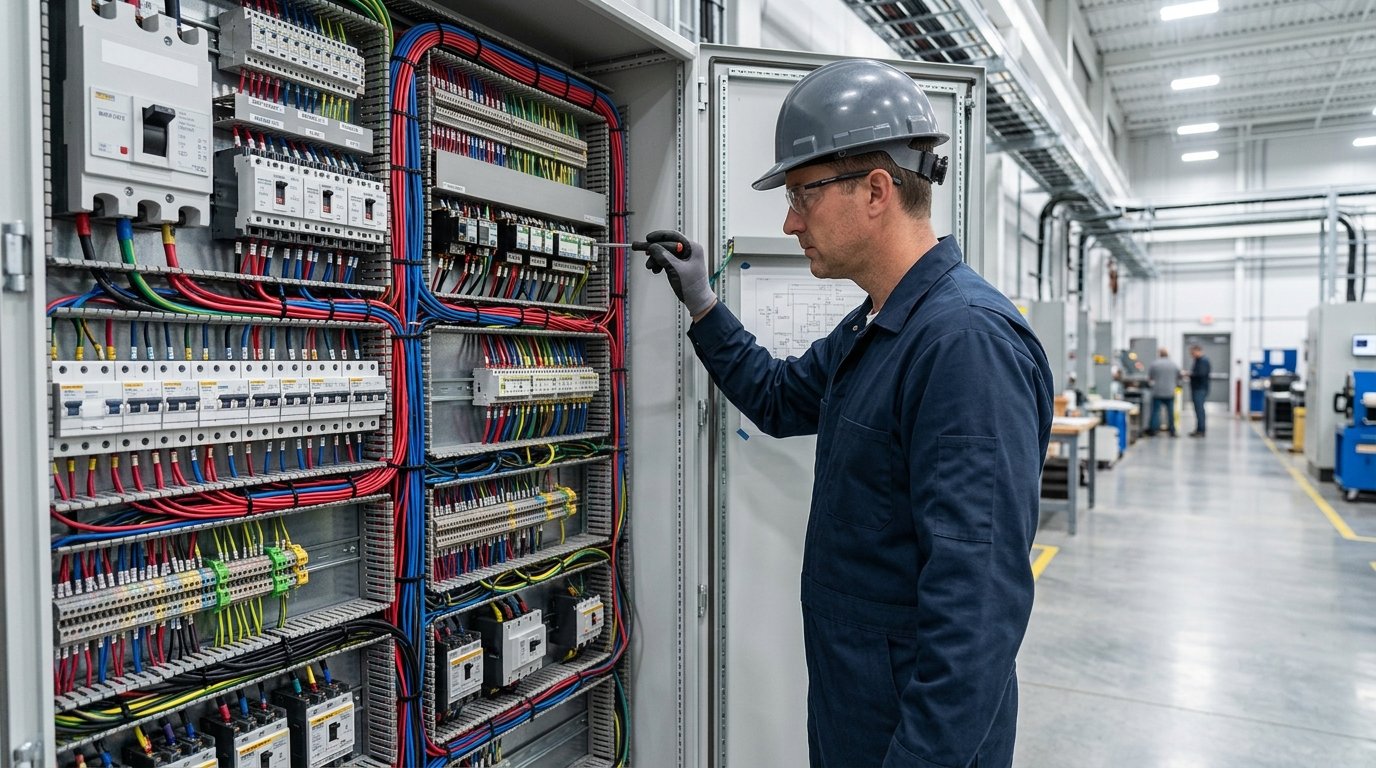
Think of a safety inspection as a regular check-up for your house. A pro electrician looks at your panel, outlets, and switches to make sure everything follows current safety rules. Many folks don’t know their system is failing until the lights start flickering or a breaker keeps tripping. Finding these small problems now saves you a lot of cash and stops fire hazards before they start.
Safety is the main reason to book this service. Faulty wiring is a top cause of house fires. If your home hasn’t been checked in years, you might have old parts or bad DIY repairs from the last owner. Checking your circuits gives you real peace of mind. You’re protecting your biggest investment from hidden damage that could cost you thousands later.
These checks are also vital if you’re planning to sell your place. Buyers usually want an electrical wiring inspection to make sure the home is safe. Even if you’re staying put, a clean inspection can lower your insurance costs. It’s just a smart move to make your living space safer and more efficient for everyone.
When Should You Consider Home Rewiring
You should think about home rewiring when your system just can’t keep up with your life. We use way more power today than people did forty years ago. If you’re constantly hitting the reset button on your breaker box or can’t run two appliances at once, your system is maxed out. Rewiring gives you the juice you need for modern tech, home offices, and all your smart devices.
Constant electrical issues are the biggest clue that it’s time to call an electrician for home rewiring. Flickering lights, buzzing sounds, or outlets that feel hot to the touch are major red flags. These aren’t just annoyances—they’re signs of loose connections or wires that are running too hot. Don’t ignore these warnings, or you might end up with real damage to your home’s guts.
Getting older is just a part of life for houses, too. Many charming, older homes still have knob-and-tube wiring that wasn’t built for modern gear. Bringing things up to current standards makes your place safer and more efficient. It’s a big job, sure, but a full system update adds real value to your property. It’s a solid investment in your home’s future performance.
How Does Aluminum Wiring Replacement Work
Aluminum wiring replacement is a specific job meant to make homes much safer. Many houses from the 60s and 70s used aluminum wires because they were cheaper. But aluminum expands and shrinks differently than copper, which leads to loose, dangerous connections. An expert team finds these weak spots and swaps them out for reliable, modern copper wiring.
The work starts with mapping out your home’s electrical layout. Your electrician will find every box and outlet where aluminum might be hiding. Because aluminum can rust and overheat, the goal is to replace the wire or use special, safe connectors. This work takes a lot of skill and a deep knowledge of safety codes to get right.
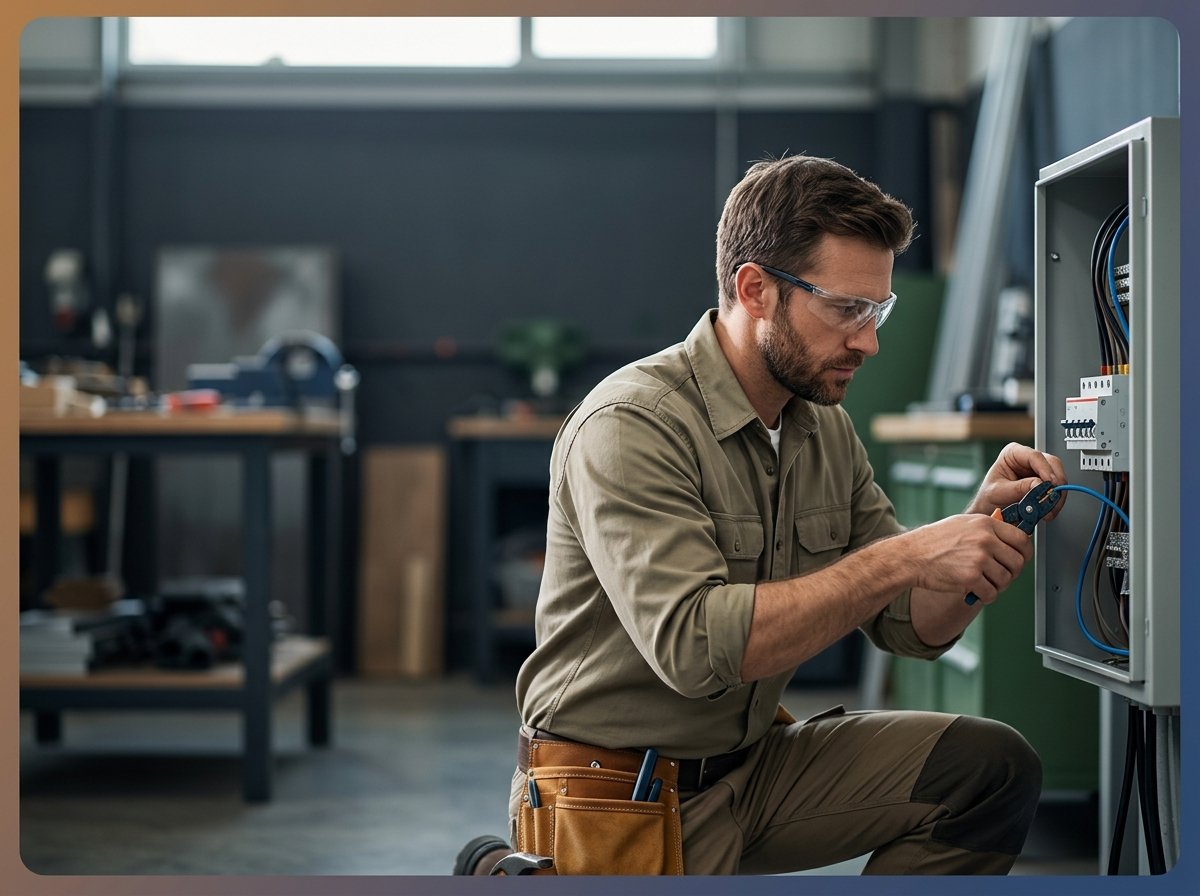
Please don’t try to DIY this. It means working inside your main electrical panel and messing with live circuits all over the house. An experienced electrician for home rewiring has the right tools to test connections under load. They make sure every single circuit is secure and works perfectly with your outlets. This is a must-do upgrade that removes a massive fire risk.
What Is the Average Cost to Rewire a House
The average cost to rewire a house changes based on a few things. The size of your place, how easy it is to get to the wires, and the current state of your system all change the price tag. Smaller, open-floor-plan homes are usually easier to update than multi-story houses with tiny attics. Always get an onsite quote, because every house has its own quirks.
The price of materials also jumps around based on the quality of parts used. You might want to save a buck, but don’t skimp on wire or hardware quality. Cheap materials fail fast, and you’ll just end up paying for more repairs later. A good electrician will show you a clear breakdown of the costs. If they’re open about the numbers, that’s a great sign they’re a pro.
Think about the long-term payoff when looking at the cost to rewire a house. Yes, the bill can look high at first, but it pays off through safety and higher home value. You’re also skipping the risk of emergency repairs or fire damage. Most homeowners find that new wiring gives them the freedom to upgrade their kitchen or bathroom without blowing a circuit.
How to Find a Reliable Electrician for Home Rewiring
Finding a reliable electrician for home rewiring starts with their reputation. You want someone who really knows the current national electrical codes. Ask your friends or neighbors for names. A pro who has built a name for themselves locally is much more likely to do the job right and stand by their work.
Always check that your electrician is licensed and fully insured. Electrical work is high-stakes, so you need to know you’re covered if something goes wrong. Ask them about their experience with older homes or your specific type of wiring issue. A real pro will be happy to explain their process and answer any questions about their safety standards.
Don’t just chase the lowest price. A quote that’s way lower than everyone else’s usually means the work will be rushed. Good electrical work takes time and attention to detail. Find a team that takes the time to explain the job, communicates clearly, and treats your house like it’s their own.
Common Electrical Hazards in Older Homes
Older homes often have hidden ghosts in the wires that you might not even know about. The most common problem is ungrounded two-prong outlets. These don’t offer the protection you need for modern tech like laptops or high end appliances. Changing these to three-prong, grounded outlets is a cheap and huge improvement for your home’s safety.
Another big issue is overloaded power strips. When there aren’t enough wall outlets, people daisy-chain strips together to plug in way too much stuff. This creates a lot of heat and is a huge fire risk inside your walls. A pro inspection will spot these spots and help you add permanent, safe outlets where you actually need them.
Finally, keep an eye on your electrical panel. If you still have old-school fuses or a tiny, ancient box, it’s time to upgrade. These old systems just can’t handle the power draw of modern AC units, EV chargers, or smart home tech. A panel upgrade is often part of a home rewiring project and gives you a much safer, stronger foundation.
FAQS
How often should I get an electrical safety inspection?
You should aim for a professional safety check every three to five years. If you’re in an older house with original wiring, go with every two years. Also, grab an inspection if you see flickering lights, breakers that trip for no reason, or if you’re about to buy a house. Catching these things early prevents real emergencies and keeps your electrical system running smooth for the long haul.
Is home rewiring a messy or invasive process?
Rewiring does need some access to your walls, ceilings, and floors. Even with modern tricks that keep drywall damage low, it’s still a decent-sized project. Your electrician will come up with a plan to keep the mess and stress as low as possible. Most people find that the safety and peace of mind you get are well worth the temporary hassle.
Can I rewire my home in sections?
Yes, it’s totally possible to rewire in sections if that helps your budget. Many folks start with the most critical spots, like the kitchen or the main breaker panel. Just keep in mind that doing it all at once can sometimes be cheaper on labor costs. Chat with your electrician about your goals so you can build a plan that fits your wallet.
What are the warning signs of bad wiring?
Watch for flickering or dimming lights, a weird burning smell near switches, and breakers that constantly trip. You might also hear a soft buzzing noise or notice that outlet covers are turning a different color. If an outlet feels warm when you touch it, call a professional immediately. These are not small things; they are urgent signs that your wiring needs a look.
Will rewiring my home increase its resale value?
You bet. A fresh electrical system is a huge selling point. It shows buyers that the home has been taken care of and that they won’t have to deal with scary, expensive repairs right after moving in. Most buyers are happy to pay more for a home that has modern, safe wiring, as it lets them add new appliances or smart tech without a second thought.